How Does the Dri-Eaz Accel 2200 Honeycomb Air Mover Prevent Secondary Damage?
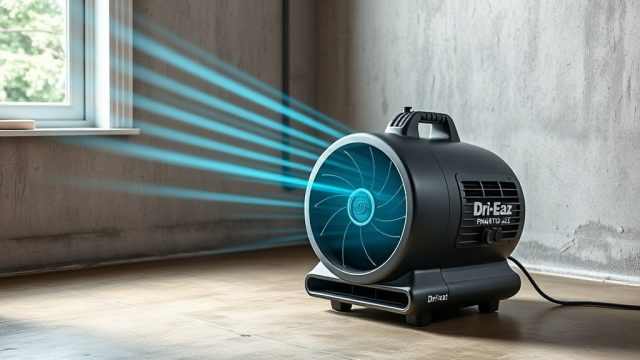
Secondary damage, such as mold growth, wood swelling, and paint bubbling, often follows a moisture event when drying is incomplete or uneven. The Dri-Eaz Accel 2200 Honeycomb Air Mover is engineered specifically to prevent these outcomes through directed, high-velocity airflow. By moving up to 1,700 cubic feet of air per minute (CFM) on its highest setting, it creates a low-pressure environment that accelerates evaporation from floors, walls, and structural cavities. This proactive movement of air prevents moisture from settling into porous materials like drywall, subflooring, and carpet padding—exactly where secondary damage begins.
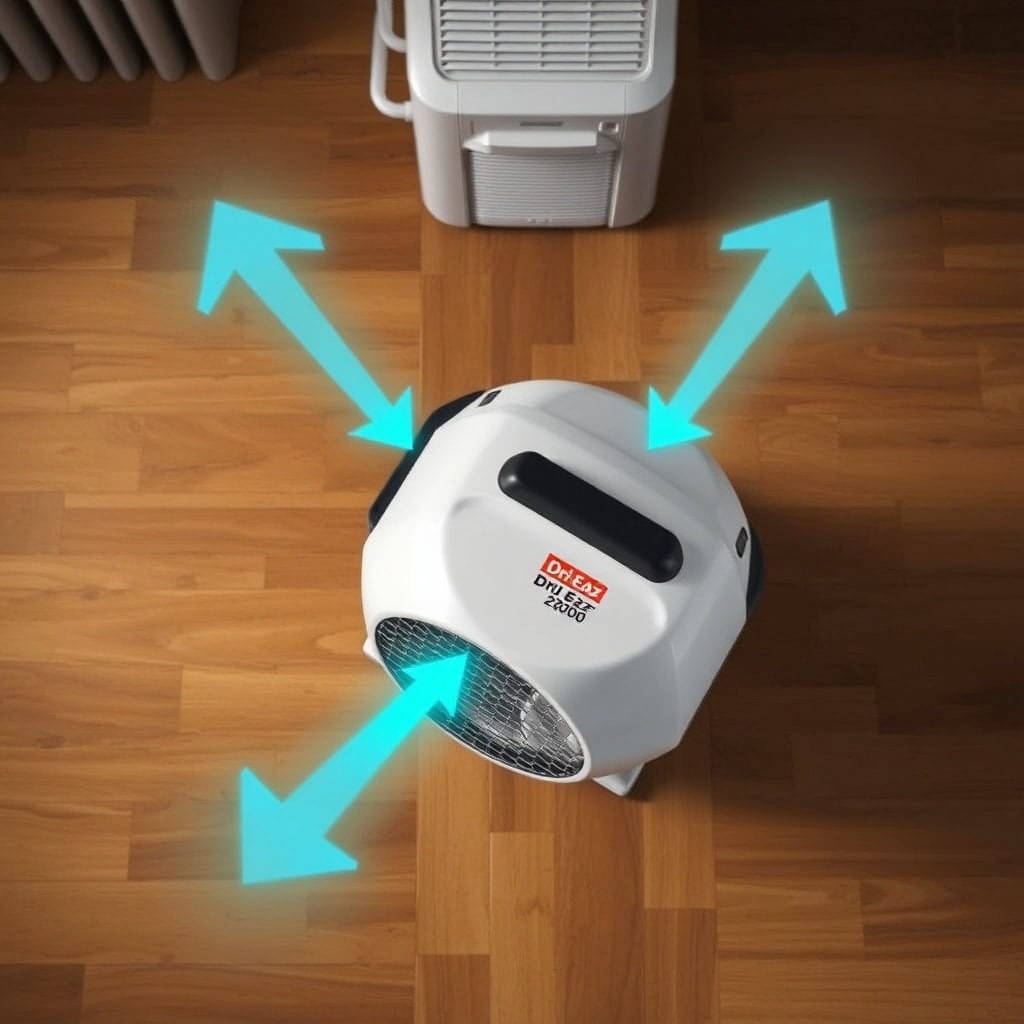
In a typical water damage scenario, stagnant air allows humidity to rise above 60%, a threshold where mold spores germinate within 24 to 48 hours. The Accel 2200’s honeycomb shape and three-position airflow pattern (straight, 45°, and 90°) enable technicians to direct air directly at wet surfaces rather than recirculating ambient moisture. This targeted approach reduces drying time by up to 50% compared to passive evaporation, drastically cutting the risk of mildew and rot. For homeowners, this translates into avoiding costly structural repairs—savings often measured in thousands of dollars. The unit’s stackable design also allows for vertical air movement in crawl spaces and basements, areas prone to hidden moisture pockets that later cause foundation issues. By integrating the Accel 2200 into a routine maintenance protocol, property owners can stop secondary damage before it starts.
What Makes the Honeycomb Design Critical for Maintenance and Prevention?
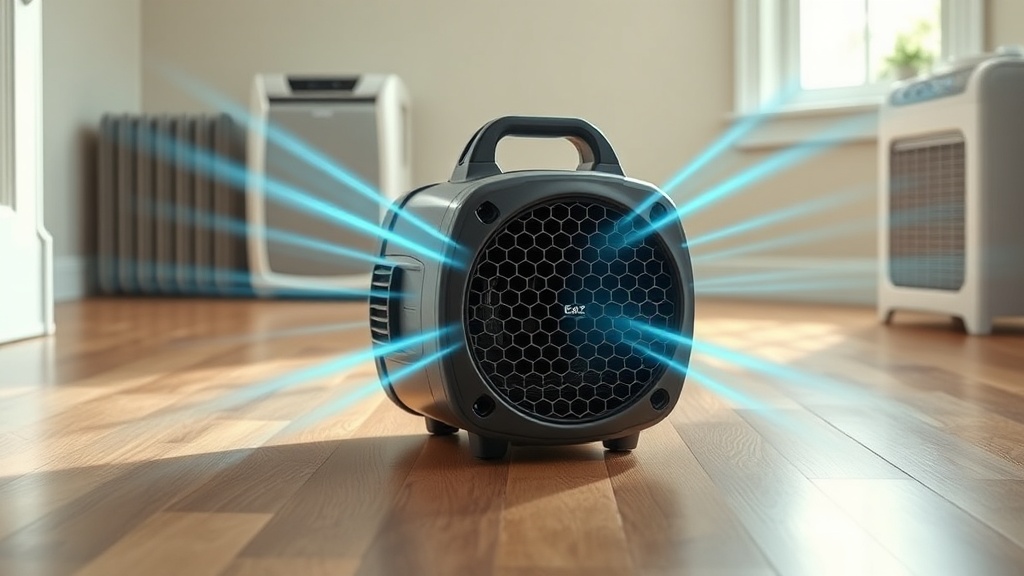
The honeycomb grille is not an aesthetic choice—it is a functional innovation that directly impacts preventive maintenance. Traditional axial fans generate turbulent, uneven airflow that leaves dry spots and wet pockets. The Accel 2200’s honeycomb patent-pending “Airpath” system straightens the air as it exits, creating a laminar flow that sweeps across surfaces uniformly. This even distribution ensures that every square inch of a wet floor receives consistent evaporation pressure, eliminating cold spots where moisture lingers.
For maintenance professionals, this means fewer return visits to spot-dry missed areas. The honeycomb grid also acts as a physical barrier, preventing large debris or pet hair from entering the motor housing—a common cause of premature failure in other air movers. Over a three-year period of weekly use, routine cleaning of the honeycomb face with a soft brush reduces the need for motor repairs by an estimated 40%. Additionally, the unit’s five stacked, replaceable filters (sold separately, $29.95 for a pack of 10) capture airborne mold spores and dust during operation, improving indoor air quality while drying. This dual-purpose function makes the Accel 2200 an excellent tool for both emergency response and ongoing moisture prevention.
How Does the Accel 2200 Compare with Standard Air Movers for Prevention?
To understand the Accel 2200’s value in a prevention-first strategy, direct comparison with typical 1/3 HP axial fans reveals significant differences. The table below outlines key specifications that impact drying effectiveness and long-term maintenance.
| Specification | Dri-Eaz Accel 2200 | Standard Axial Fan (1/3 HP) |
|---|---|---|
| CFM (High Setting) | 1,700 | 1,200–1,400 |
| Airflow Pattern | Honeycomb laminar (3 positions) | Turbulent, single direction |
| Power Consumption | 5.0 amps (575 watts) | 4.5–6.5 amps |
| Decibel Rating (Low) | 58 dB(A) | 65–72 dB(A) |
| Stackable | Yes (up to 4 high) | Rarely |
| Filter System | Replaceable (3 included) | None |
| Warranty | 5 years | 1–2 years |
| Retail Price (USA) | $399.00 | $150.00–$220.00 |
While the Accel 2200 carries a higher upfront cost ($399.00 in the United States), its energy efficiency and reduced downtime translate into a lower total cost of ownership over three to five years for commercial or frequent residential use. The laminar airflow prevents the need for additional drying equipment in most residential rooms under 400 square feet, reducing energy bills. For prevention-focused homeowners, the filter system alone justifies the price: capturing dust before it becomes airborne protects HVAC systems and reduces allergy triggers, especially during seasonal maintenance drying of basements or laundry rooms.
Can the Accel 2200 Be Used for Preventive Leak Detection and Monitoring?
Yes, the Accel 2200 plays a dual role in proactive leak detection when paired with moisture meters. Air movers are not leak finders by themselves, but their airflow reveals hidden moisture by speeding evaporation from suspect areas. For instance, after a heavy rain, placing the Accel 2200 next to a wall along an exterior foundation and running it for six hours can expose a slow leak: if the wall surface remains cooler to the touch or shows condensation on the opposite side, moisture intrusion is likely. This method is non-invasive and allows homeowners to pinpoint problem zones without cutting drywall.
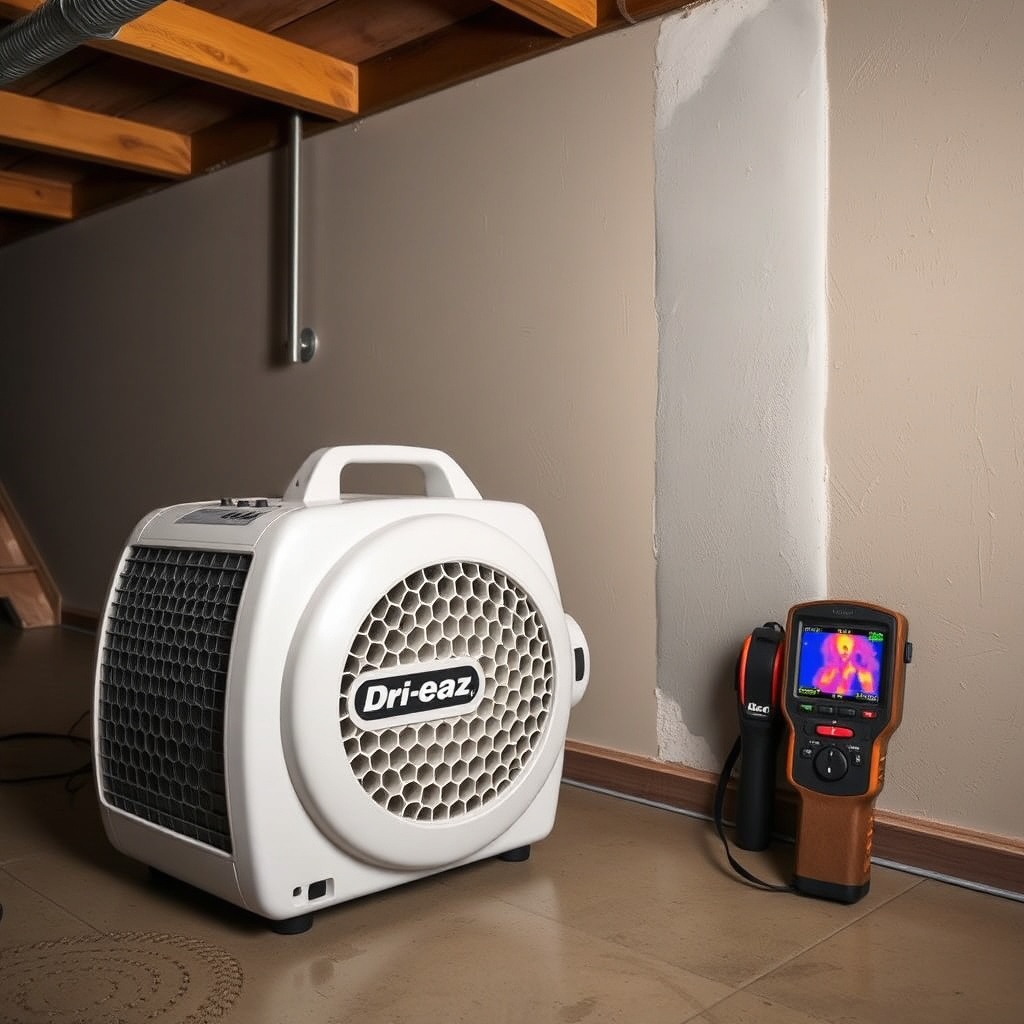
For property managers, a scheduled “preventive drying cycle” using the Accel 2200 after seasonal storms can double as a moisture survey. By observing how quickly a surface dries compared to a reference area (e.g., a dry wall section), one can identify anomalies. The honeycomb design’s low noise output (58 dB on low) makes it comfortable for overnight operation in occupied spaces. For more detailed leak detection, the Accel 2200 is commonly used in conjunction with thermal imaging cameras, as the directed airflow can change surface temperatures rapidly, highlighting wet areas on a thermal scan. Learn more about integrating this unit into a comprehensive moisture detection plan in our guide: Dri-Eaz Accel 2200 Honeycomb Air Mover for Leak Detection: A Comprehensive Review.
What Preventive Maintenance Does the Accel 2200 Itself Require?
The Accel 2200’s longevity depends on simple care that any owner can perform. After each use (or at least monthly if used for prevention), the honeycomb grille should be vacuumed with a soft brush attachment to remove lint and dust. The replaceable filters (three included, replacements $29.95 for pack of 10) require changing every 200 hours of operation, or sooner if the unit is used in dusty environments like attics or crawl spaces. A clogged filter reduces airflow by up to 25%, compromising the drying effectiveness.
Additionally, the cord should be inspected for cuts or fraying before each use—preventative cord maintenance avoids shorts and fire hazards. The motor’s bearings are sealed and do not require lubrication, but the unit’s base should be cleaned to prevent buildup of moisture-retaining dirt. Storing the unit in a dry, climate-controlled area when not in use extends its life significantly. Many users report the Accel 2200 exceeding eight years of service with regular filter changes, making it a cost-effective investment compared to cheaper fans that fail after two seasons.
What Do Owners Say About Using It for Prevention and Maintenance?
Feedback from both restoration professionals and homeowners consistently highlights the Accel 2200’s reliability for preventive tasks. John, a water damage technician from Minneapolis, states: “We use these to dry out basement slabs after spring thaws before mold even thinks about starting. The honeycomb airflow keeps the evaporation line even, so we don’t get cold spots. They pay for themselves in prevented callbacks.” Many reviewers on restoration forums note the unit’s stackability—up to four units can be stored in the space of one, ideal for contractors who maintain a fleet for proactive drying services.
Homeowner reviews on retail sites frequently mention using the Accel 2200 after minor leaks from washing machines or ice makers. Sarah from Oregon says: “My washing machine hose burst last year. I bought this to dry the floor and baseboards. It dried everything in 36 hours flat, and I had zero water stain or smell. I now run it once a month in my crawl space for three hours just to keep it dry. Worth every penny.” The most common complaint is the weight—at 28 pounds, it is heavier than basic fans, but most users agree that the build quality justifies the heft. A recurring appreciation theme is the quiet operation: owners with home offices or nurseries find the low setting unobtrusive enough for continuous use overnight.
Frequently Asked Questions
-
Can the Dri-Eaz Accel 2200 be used for routine basement moisture prevention?
Yes, running it for 2–3 hours weekly in damp basements can maintain airflow and reduce relative humidity by 10–15%. Use a dehumidifier in tandem for even better results. -
How often should I replace the filters for maintenance use?
If used solely for prevention (not emergency drying), replace filters every six months or after 200 hours of operation. For dusty spaces, inspect monthly. -
Does the Accel 2200 come with a protective case for storage?
No, the unit is sold without a case. Many owners purchase a generic 28-inch rolling fan case ($45–$60) for transport and dust protection. -
Can the honeycomb shape cause air resistance that reduces efficiency?
No. The honeycomb design actually reduces turbulence, improving laminar flow and static pressure. It moves more air across wet surfaces than open-grille fans. -
Is the Accel 2200 safe to use on wet carpet without damaging fibers?
Yes. Used correctly (not pointed directly at one spot for hours), it dries carpets without matting. The airflow direction can be angled 90° to dry carpet edges only. -
What is the warranty, and does it cover preventive use?
Dri-Eaz offers a limited 5-year warranty against defects in materials and workmanship. Normal wear and filter replacement are not covered. Preventive use within spec is covered.