What Is the Dri-Eaz Accel 2200 Honeycomb Air Mover and Why Does It Matter for Professional Drying?
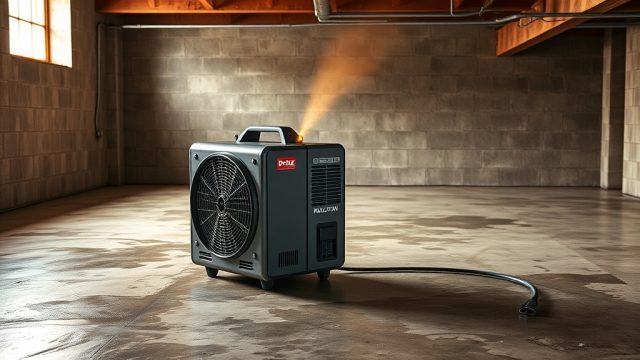
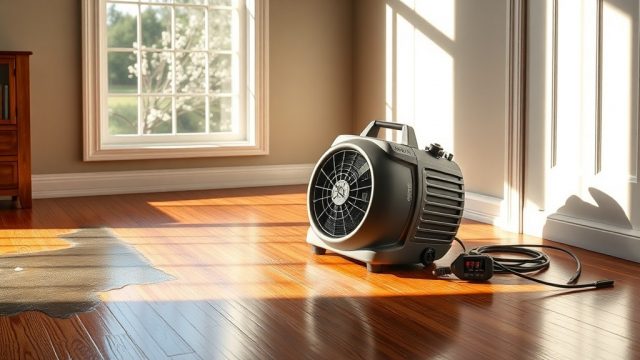
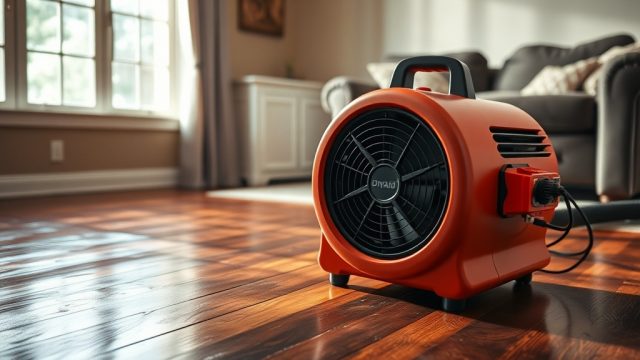
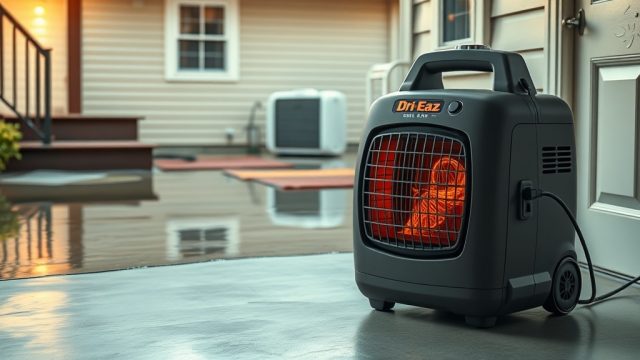
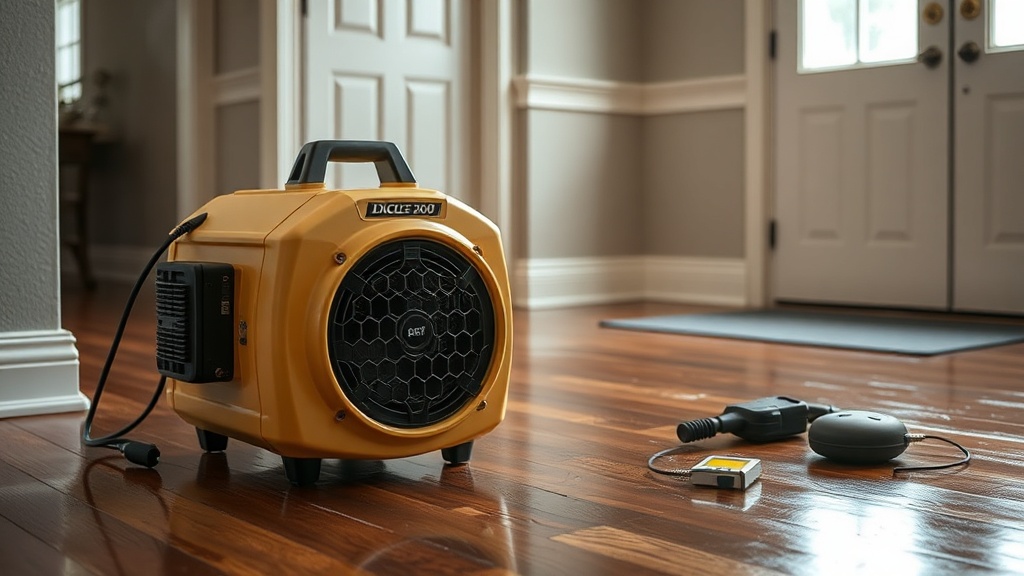
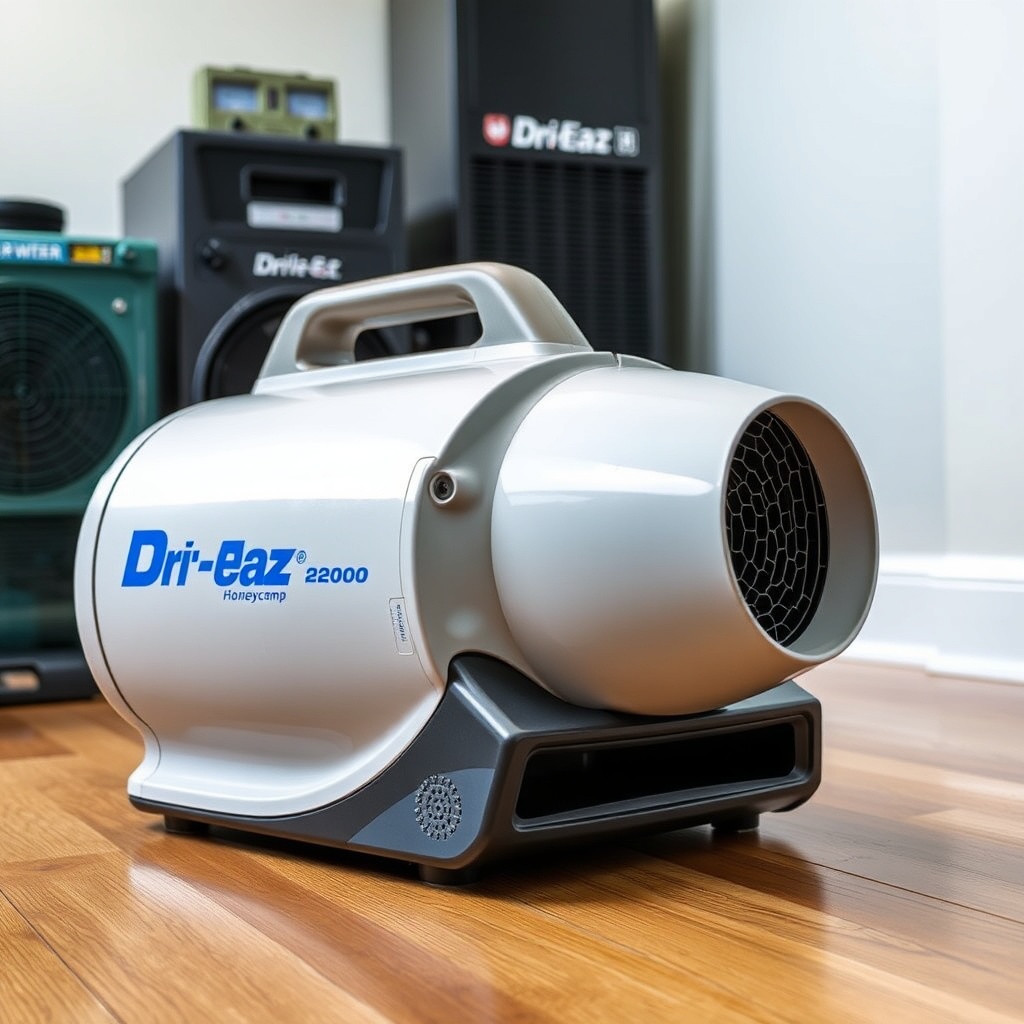
For restoration contractors and water damage specialists, the Dri-Eaz Accel 2200 Honeycomb Air Mover has become a staple tool for efficient structural drying. This axial fan, manufactured by the industry-leading brand Dri-Eaz (part of the Legend Brands family), is engineered to deliver high-velocity airflow directly onto wet floors, walls, and carpets. Unlike standard box fans or lower-end air movers, the Accel 2200 utilizes a patented honeycomb-shaped intake grille that reduces turbulence and noise while increasing static pressure. In practical terms, this means it pushes more air directly into wet materials, accelerating evaporation rates during commercial water mitigation jobs. The unit is widely considered a top pick for floor drying due to its stackable design, durability, and focused airflow pattern, making it a favorite among IICRC-certified technicians.
How Does the Honeycomb Design Improve Drying Performance vs. Standard Air Movers?
The defining feature of the Accel 2200 is its 22-inch honeycomb intake grille, which is not just aesthetic. This hexagonal pattern is engineered to break up large air vortices as they enter the fan housing, reducing the “whirlpool” effect that creates noise and inefficiency in standard axial fans. By straightening the airflow before it hits the impeller, the honeycomb design allows the motor to operate more efficiently, converting more electrical energy into usable static pressure. On a restoration job site, this translates to measurable advantages: 20% quieter operation compared to previous models and up to 15% more air velocity at the floor surface. When you need to dry hardwood floors, gym floors, or thick carpet padding in a tight timeline—often within 48 hours to prevent mold—the Accel 2200’s targeted airflow makes a critical difference. Contractors commonly report that they can finish drying jobs faster using fewer units compared to standard air movers, which directly impacts labor costs and insurance claims timelines.
What Are the Key Specifications and Dimensions of the Dri-Eaz Accel 2200?
Understanding the technical specs is crucial for restoration professionals comparing equipment for purchase or rental. Below is a detailed breakdown of the Accel 2200’s capabilities and physical attributes.
| Specification | Value |
|---|---|
| Motor Type | 3-speed, PSC (permanent split capacitor) |
| Airflow (High Speed) | 2,200 CFM (cubic feet per minute) |
| Static Pressure (High) | 1.1 inches of water column |
| Speed Settings | Low, Medium, High |
| Power Consumption (High) | 5.5 amps / 660 watts at 120 VAC |
| Power Cord Length | 25 feet (7.6 meters) with molded plug |
| Dimensions (L x W x H) | 22 x 22 x 18 inches (55.9 x 55.9 x 45.7 cm) |
| Weight | 38 lbs (17.2 kg) |
| Stackable | Yes, up to 4 units high |
| Housing Material | Rotomolded polyethylene (impact-resistant) |
| Noise Level (High, at 3 ft) | 68 dBA (A-weighted decibels) |
| Certifications | ETL listed, CSA certified |
| Warranty | 1 year limited (motor), 90 days (parts) |
| MSRP (USA) | $349.00 USD |
As the table shows, the Accel 2200 pulls only 5.5 amps on high, allowing multiple units to be run on a single 15-amp circuit—a critical consideration for large-scale drying setups where you might deploy 10 or more fans. The rotomolded housing is thick and durable, surviving drops from truck beds and rough handling on construction sites. The 25-foot power cord gives flexibility in positioning without needing extension cords, which reduces tripping hazards and voltage drop issues.
How Does the Dri-Eaz Accel 2200 Compare to Other Air Movers in Its Class?
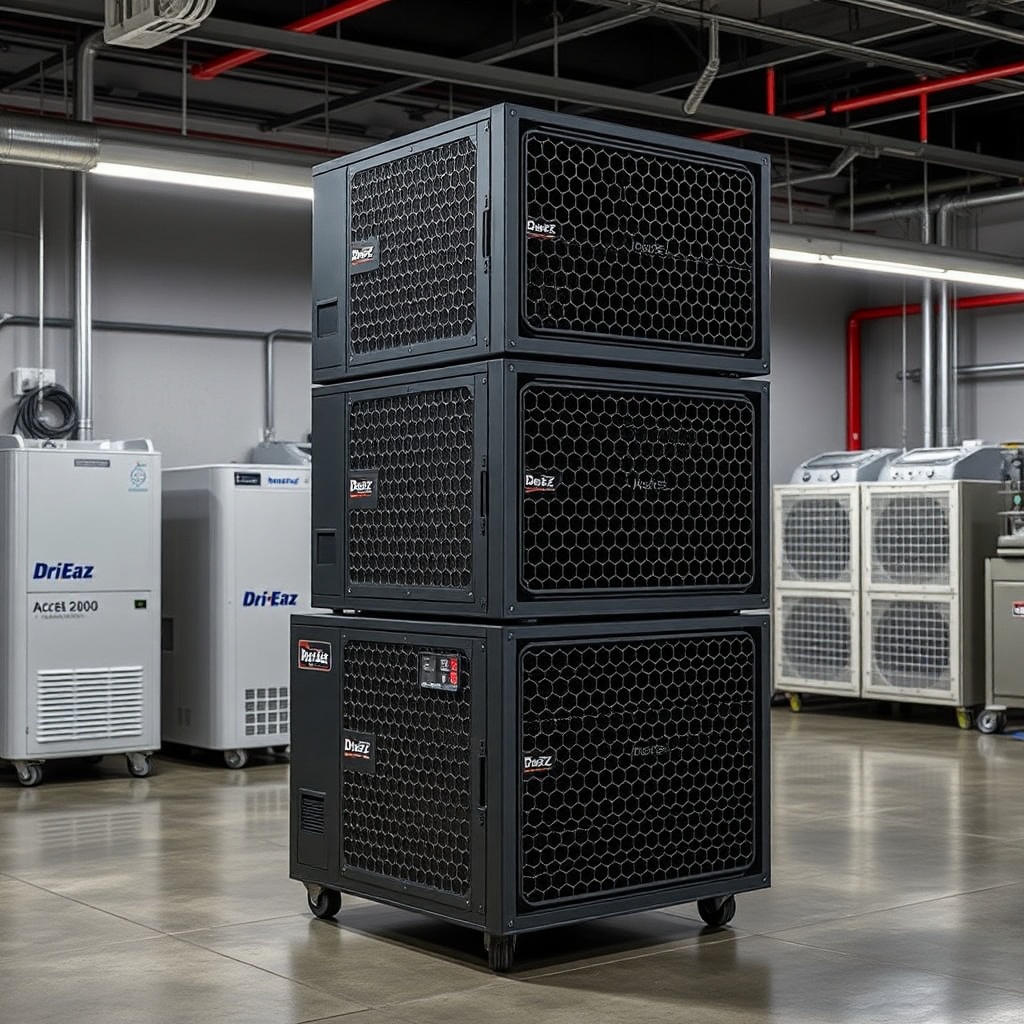
When evaluating whether the Accel 2200 is the right choice for your restoration business, it helps to compare it against direct competitors. Two common alternatives are the Phoenix MAX HP and the BlueDri Max 2.0. The Accel 2200 is generally considered the premium option due to its high static pressure and durability, but it comes at a higher price point. In contrast, the Phoenix MAX HP offers similar CFM output (2,200 CFM) but with a slightly higher amp draw (6.2 amps) and a lower static pressure rating of 0.9 inches of water column. This makes the Accel 2200 better for drying thick materials like padded carpets and hardwood floors where you need to push air through the material rather than just across the surface. The BlueDri Max 2.0 is lighter (34 lbs) and cheaper (around $269 USD), but its motor is less robust, and the plastic housing may crack under heavy commercial use. For a restoration company that values longevity and could justify the higher upfront cost, the Accel 2200 delivers a lower total cost of ownership over 5+ years due to fewer repair incidents. Additionally, the Accel 2200’s stacking capability is superior—the molded interlocking feet and top provide a stable stack of up to four units, saving valuable floorspace on water damage jobs where every square foot counts. For more on choosing between axial and centrifugal air movers, see our guide on restoration equipment tools selection.
What Do Owners Say About the Dri-Eaz Accel 2200 in Commercial Use?
Long-term users of the Accel 2200—primarily water damage restoration technicians and equipment rental managers—consistently report high satisfaction, though there are a few common criticisms. Positive feedback frequently centers on the unit’s build quality: “I’ve had my four Accel 2200s for three years, and they’ve been dropped off scaffolding, run over by a carpet cleaning truck, and covered in mud. They still work like new.” Many users note that the honeycomb grille genuinely reduces noise compared to the older Dri-Eaz 2100 model, making them less disruptive in occupied homes during after-hours drying. The stacking design is another frequently praised feature: “Being able to stack three high in a van saves me so much space, and they don’t shift during transport.” However, some owners point out that the high-speed setting can be louder than expected (68 dBA is about the level of a vacuum cleaner), and the 25-foot cord, while generous, is not retractable—a feature seen on higher-end units like the Dri-Eaz G2. A few users reported that the power switch cover can crack if stepped on, though replacements are inexpensive. Overall, the consensus is clear: the Accel 2200 is a workhorse that earns its keep in daily commercial use, but budget-conscious buyers might explore alternatives if they won’t be running them full-time.
How Much Does the Dri-Eaz Accel 2200 Cost and Is the Investment Worth It?
The Dri-Eaz Accel 2200 typically retails for $349.00 USD as of 2024, though prices can range from $319 to $379 depending on the vendor and any current promotions. For a restoration business, this is a significant capital expense if purchasing a fleet (10 units would cost $3,490). However, because the Accel 2200 can reduce drying time by up to 20% compared to lower-performance fans, the investment can pay for itself within five to ten water damage claims. Rental shops often charge $25–$35 per day per unit, meaning a single well-maintained Accel 2200 can generate revenue within about 10–14 rental days. When considering total cost of ownership, include replacement motors (around $120) and occasional power cord repairs ($35–50). The rotomolded housing rarely needs replacement unless physically cracked. Insurance and tax depreciation benefits can also offset the cost for business owners. In contrast, a cheaper fan like a standard 20-inch box fan ($30–40) will not produce enough static pressure to dry carpet padding or subflooring effectively, potentially leading to mold growth and secondary damage claims that cost tens of thousands of dollars. For these reasons, the Accel 2200 is considered a worthwhile investment for any professional restoration contractor.
Frequently Asked Questions
1. Can the Dri-Eaz Accel 2200 be used for drying walls and ceilings?
Yes, it can. The directional nozzle can be aimed upward at a 45-degree angle to push air onto wet walls or ceilings. However, for vertical surfaces, some technicians prefer the Dri-Eaz G2 or a centrifugal air mover which provides more focused directional airflow. The Accel 2200 excels at floor drying but is versatile enough for general space drying as well.
2. Is the Accel 2200 suitable for drying hardwood floors?
Absolutely. In fact, the high static pressure (1.1 inches of water column) makes it one of the best axial fans for drying hardwood and engineered wood floors. The focused airflow pushes moisture out from between planks and from the subfloor below, reducing the risk of cupping and buckling. For best results, use it in conjunction with a dehumidifier and moisture meters.
3. What is the warranty length for the Accel 2200?
Dri-Eaz offers a 1-year limited warranty on the motor and a 90-day warranty on other parts (housing, cord, switch). Extended warranties are available through some vendors. Many restoration businesses consider this adequate given the unit’s durability, but you may want to factor repair costs into your budget for years 2–5.
4. How many Accel 2200 units can I run on a single 15-amp circuit?
On the high-speed setting, each Accel 2200 draws 5.5 amps. You can safely run three units on a single 15-amp circuit (3 x 5.5 = 16.5 amps, but with a 20% safety margin, three units is still within safe operation). Two units per circuit is recommended for continuous duty to avoid tripping breakers. Always check local electrical codes and use only grounded outlets.
5. Can the honeycomb grille be removed for cleaning?
Yes, the honeycomb grille can be removed by unscrewing the retaining screws on the front of the fan housing. This allows you to clean accumulated dust, pet hair, and debris that can reduce airflow. Dri-Eaz recommends cleaning the grille after every major job or at least monthly in heavy-use environments. A clean fan can improve airflow by 5–10%.
6. Is the Accel 2200 worth buying for a small restoration business?
If you handle more than 10 water damage claims per month, the Accel 2200 is a wise investment due to its drying speed and reliability. For smaller operations or beginners, consider starting with two units and supplementing with lower-cost fans. The upfront cost of $349 per unit can be financed, and many suppliers offer discounts for bulk purchases of 5 or more units.