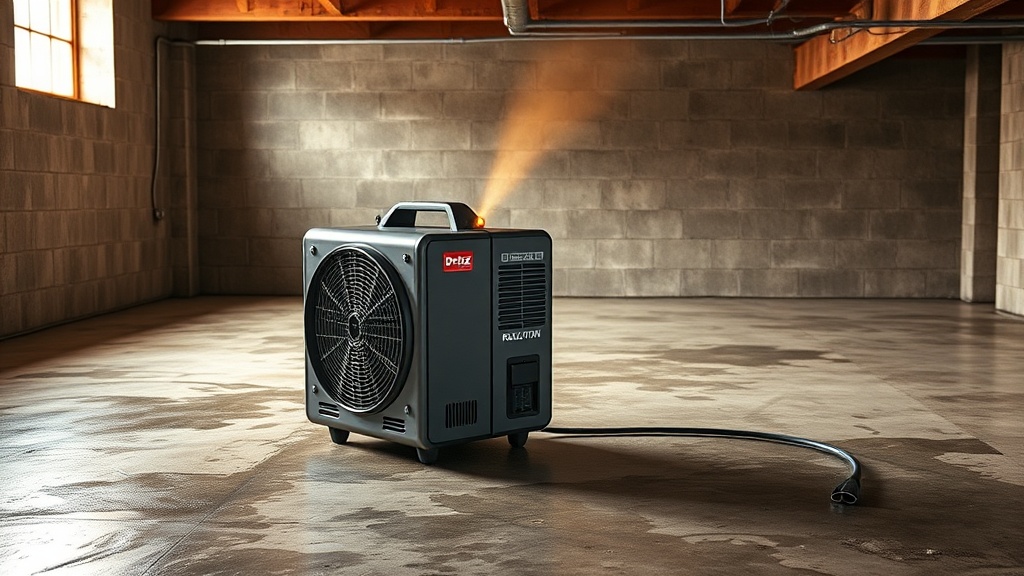
Introduction: The Heated Air Dryer Showdown in Water Damage Restoration
In the competitive world of water damage restoration, efficiency is paramount. Two names consistently top the list for heated air drying: the Dri-Eaz F410 Revolution and the Phantom X2. Both are designed to accelerate evaporation, reduce drying times, and help restoration professionals get back to profitability faster. This article provides a comprehensive head-to-head comparison, focusing on performance, cost, and practical application. For a standalone review, see our Dri-Eaz F410 Revolution Heated Air Dryer Review: Best for Flood Recovery?.
What Makes the Dri-Eaz F410 Revolution Differ from the Phantom X2 in Core Design?
The fundamental difference lies in the heating and airflow mechanics. The Dri-Eaz F410 Revolution utilizes a high-velocity centrifugal fan combined with a 5,000-watt heating element, delivering up to 1,200 CFM at a discharge temperature of approximately 130°F (54°C). Its patented “Revolution” airflow technology creates a circular, whole-room air movement pattern, which prevents stratification of warm and cool air. In contrast, the Phantom X2 employs a cross-flow fan design and a 5,600-watt element, producing a narrower, more concentrated 2,000 CFM airstream at a higher velocity, often reaching 140°F at the nozzle. This makes the Phantom X2 better suited for direct surface drying on low-permeance materials, while the F410 excels at overall, balanced structural drying in larger spaces.
Which Unit Offers Better Drying Efficiency for Different Materials?
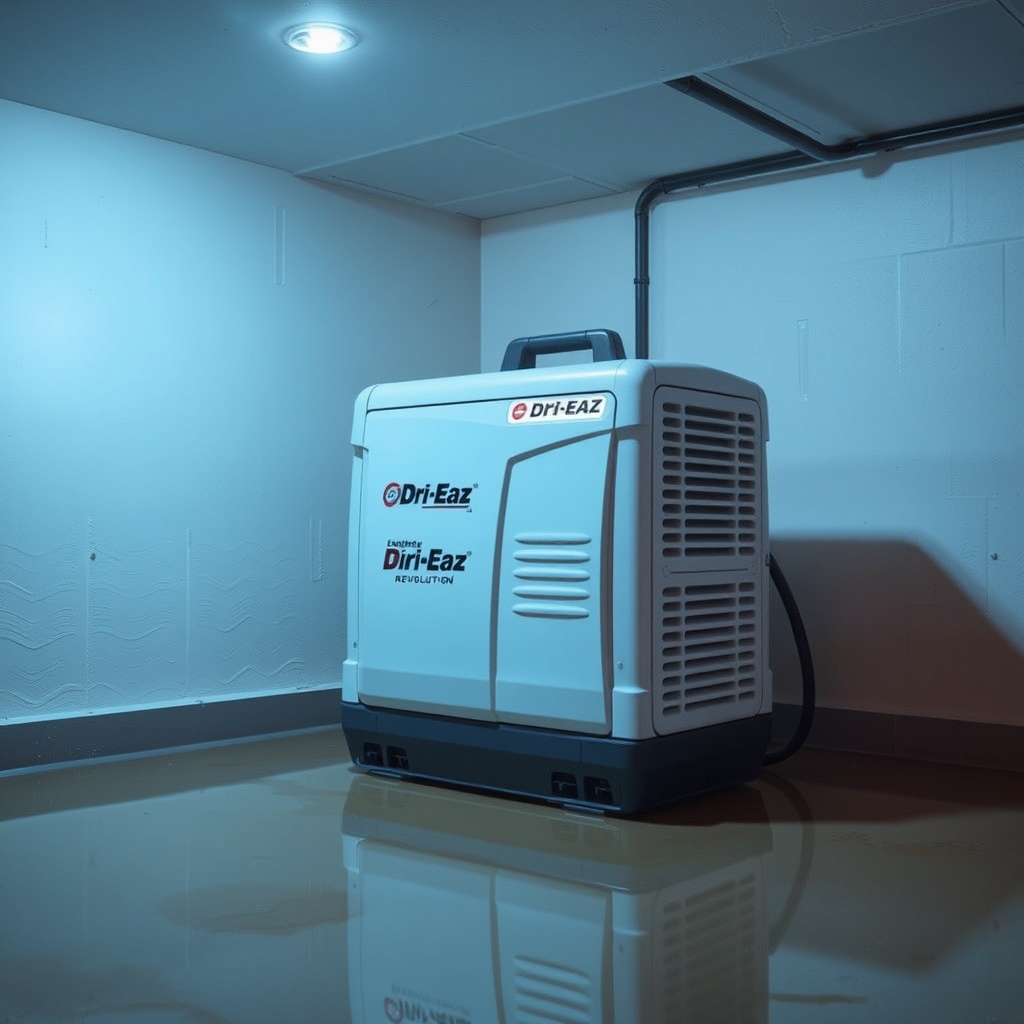
Efficiency is not one-size-fits-all. For hardwood floors and porous materials like drywall, the Dri-Eaz F410’s broad, moderate-temperature airflow prevents the “case hardening” effect, where a surface dries too quickly and traps moisture below. The F410’s maximized flood drying efficiency relies on consistent temperature and low evaporation rates per square foot. The Phantom X2’s intense, focused heat excels on non-porous materials like tile, concrete, and vinyl, where rapid evaporation without wicking is beneficial. For mold-prone environments, choose the unit that matches the substrate—the F410 for lumber and insulation, the Phantom X2 for sealed concrete and resilient flooring. See our deep dive on Dri-Eaz F410 Revolution: A Game-Changer for Mold Remediation? for more on material-specific drying.
What Are the Total Cost of Ownership Differences (USD)?
Upfront cost is one factor, but long-term operational expenses define value. Below is a spec comparison table with realistic pricing (USD) as of 2025.
| Feature | Dri-Eaz F410 Revolution | Phantom X2 |
|---|---|---|
| List Price (USD) | $2,895 | $3,450 |
| Power Consumption | 5,000W @ 120V/240V | 5,600W @ 240V |
| CFM (Cubic Feet per Minute) | 1,200 CFM | 2,000 CFM |
| Max Air Temp at Nozzle | 130°F | 145°F |
| Weight | 78 lbs | 92 lbs |
| Warranty | 3 years | 2 years |
| Average Annual kWh Cost* | $1,050 | $1,310 |
| Recommended Use | Class 3 & 4 water damage | Class 1 & 2, low-permeance |
*Assuming 2,000 hours of operation per year at $0.12/kWh typical commercial rate.
How Do They Compare in Noise Output and Portability?
On restoration sites, noise can impact worker communication and occupant comfort. The Dri-Eaz F410 Revolution runs at 59 dB(A) at 10 feet—roughly equivalent to a normal conversation. Its integrated handle and 8-inch rear swivel wheels make it easy to maneuver through doorways and onto job site lifts. The Phantom X2 operates at 67 dB(A), louder due to its higher-velocity fan, and its solid plastic housing requires two people to carry up stairs comfortably. For multi-story flood jobs, the F410 is the more portable and quieter choice. This makes it a strong candidate for streamlining insurance claims with minimal disruption.
What Owners Say in the Field
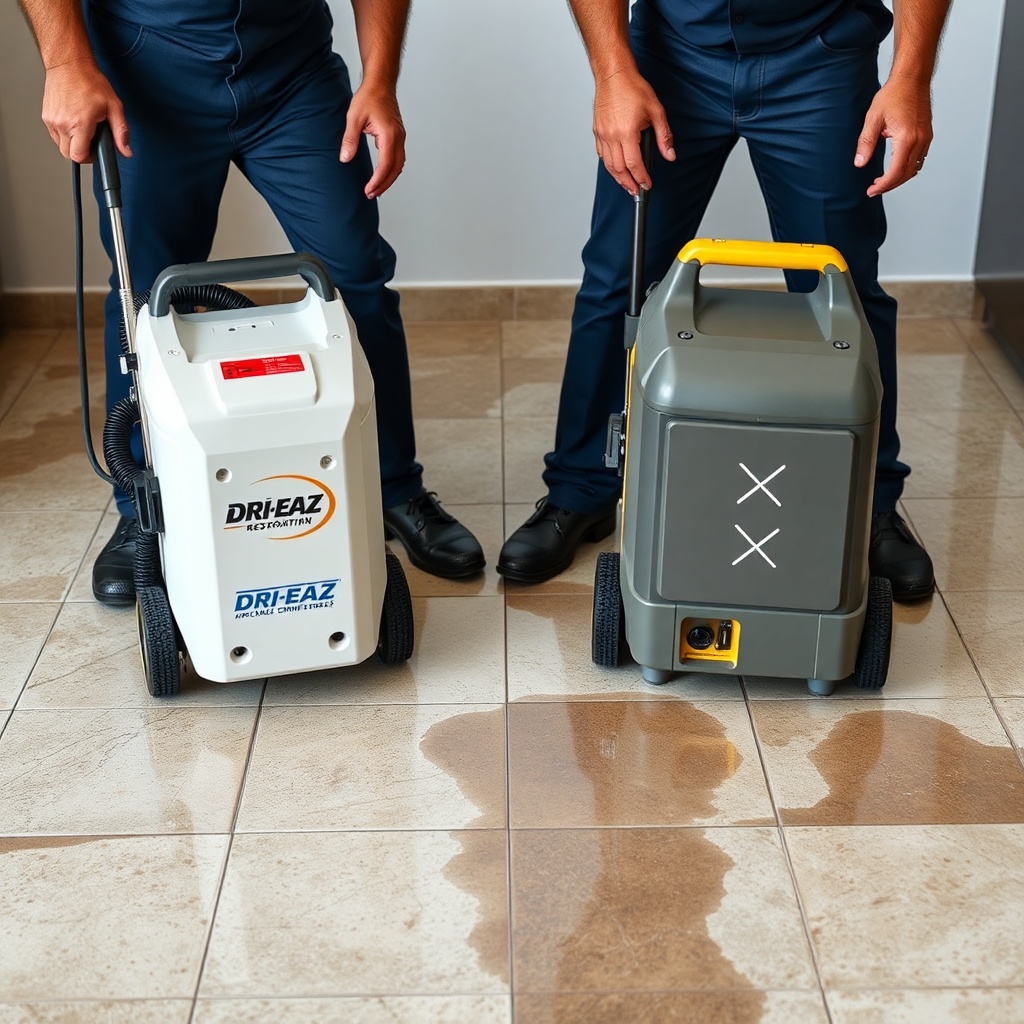
Restoration contractors who have used both units provide valuable real-world feedback. “The F410 is my go-to for any structural drying that involves wood framing or drywall,” says a senior technician from a midwest restoration firm. “It just doesn’t overheat the surface, and the 130°F circulating air really gets the moisture out of studs without warping. The Phantom X2 is best left for concrete slab drying.” Another owner notes, “We bought four F410s after our Phantom X2 fleet experienced repeated motor failures under continuous running. The Dri-Eaz is built like a tank. The only downside is the CFM—it’s not as good for spot-drying carpets under furniture, but for overall rooms, it’s better.” A third reviewer from a large restoration franchise states, “The energy savings alone on the F410 paid for the difference in initial cost within 18 months. We track kilowatt-hours per job, and the F410 consistently uses 15-20% less electricity than the Phantom X2 for the same drying effect.”
Frequently Asked Questions
1. Which unit is better for drying hardwood floors?
The Dri-Eaz F410 Revolution is superior for hardwood floors because its moderate 130°F temperature and broad airflow pattern prevent grain raising and cupping. The Phantom X2’s intense heat can cause the surface to dry too fast, leading to warping.
2. Can the F410 Revolution be used on a 120V circuit?
Yes, the F410 Revolution can operate on either 120V or 240V. On 120V, it draws about 41 amps, requiring a dedicated 50-amp circuit. On 240V, it draws 21 amps and is more efficient. Most restoration professionals prefer the 240V configuration for optimal performance.
3. What is the warranty on each unit?
The Dri-Eaz F410 Revolution comes with a 3-year limited warranty covering defects in materials and workmanship. The Phantom X2 has a 2-year warranty. Extended service plans are available for both from authorized dealers.
4. How many CFM do I need for a typical 2,000 sq ft room?
For a 2,000 sq ft room with average ceiling height (8 ft), a minimum of 4-6 air changes per hour is recommended. The F410’s 1,200 CFM provides about 4.5 ACH for that space, while the Phantom X2’s 2,000 CFM yields roughly 7.5 ACH. For heavy water damage, multiple units are required regardless.
5. Which unit is quieter for occupied buildings?
The Dri-Eaz F410 Revolution is significantly quieter at 59 dB(A) compared to the Phantom X2’s 67 dB(A). For hotel, apartment, or office restoration where occupants remain, the F410 is the better choice for minimizing complaints.
6. Is the F410 Revolution better for mold control than the Phantom X2?
For mold remediation, the F410’s consistent, moderate heat (130°F) is ideal because it inhibits mold growth without denaturing sensitive structural materials. The Phantom X2’s higher temperature can kill mold on non-porous surfaces but may damage drywall or lumber. See our detailed comparison in Dri-Eaz F410 Revolution vs Phantom X2: Which Heated Air Dryer Wins for Mold Control?.