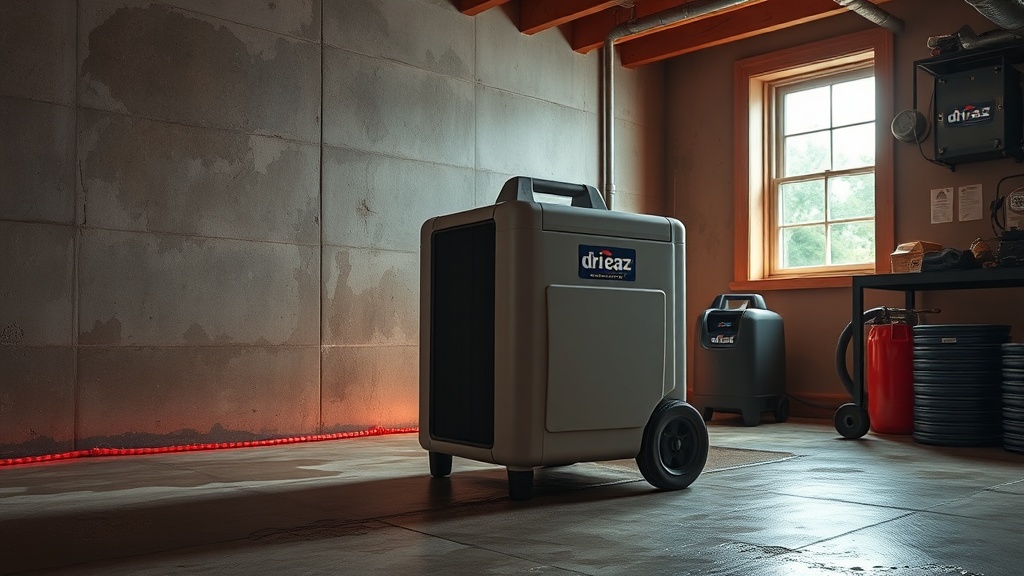
What Makes the Dri-Eaz F410 Revolution Heated Air Dryer Essential for Mold Remediation?
When mold takes hold in a water-damaged structure, the race against time demands equipment that expedites drying without compromising surface integrity. The Dri-Eaz F410 Revolution Heated Air Dryer stands out as a purpose-built tool for contractors and restorers who prioritize moisture control and mold prevention. With its innovative heat technology and focused airflow, this unit redefines how professionals attack residual humidity in problematic areas like crawlspaces, basements, and wall cavities.
How Does the Heated Air Technology Prevent Mold Growth?
The F410 Revolution applies controlled heat to accelerate evaporation rates while maintaining safe temperature thresholds for sensitive materials. Unlike standard air movers that only circulate ambient air, this dryer raises the localized temperature by 10–15°F, effectively reducing the relative humidity at the surface level. This creates an environment where mold spores cannot germinate or reproduce, addressing the core principle of mold-moisture-control through thermal energy rather than just air movement.
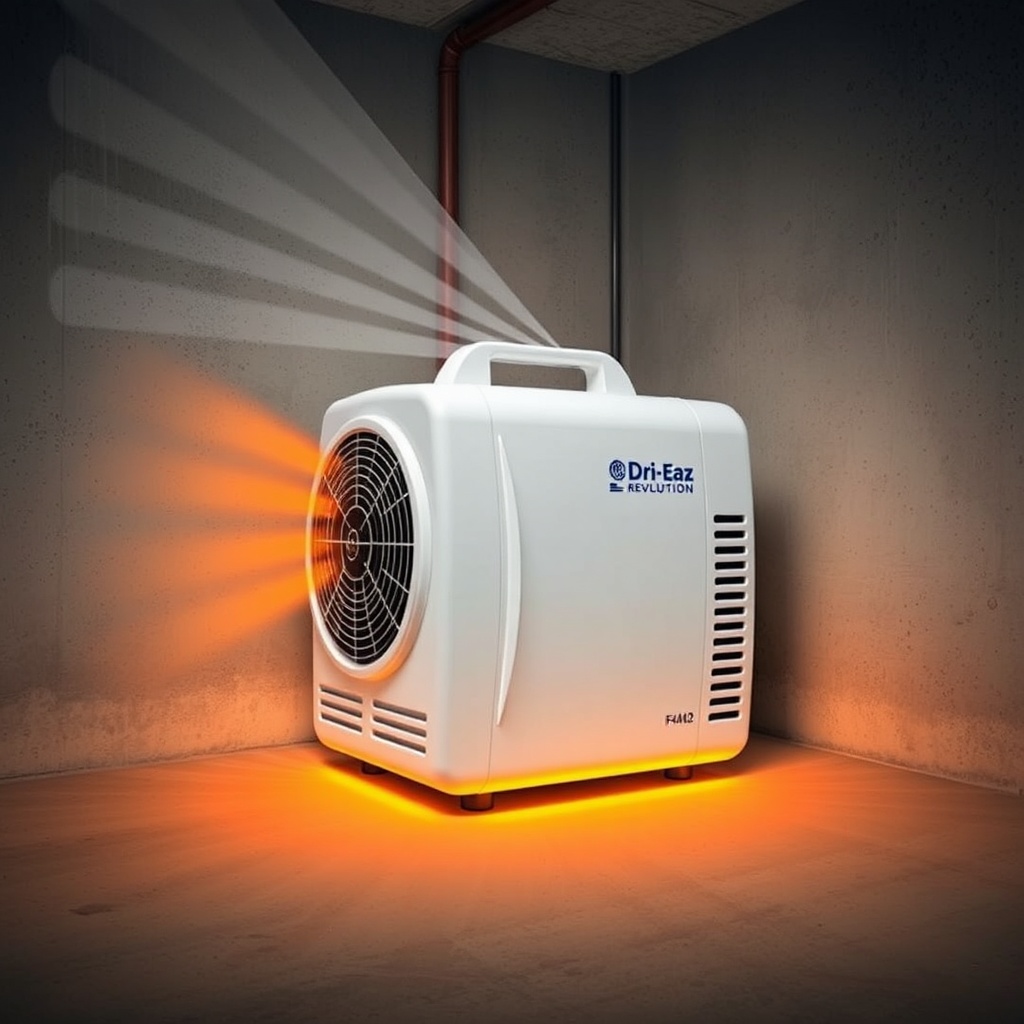
The integrated thermostat automatically modulates heat output to prevent material damage, making it safe for use on hardwood floors, drywall, and insulation. For mold remediation specialists, this feature means they can maintain optimal drying conditions around the clock without manual adjustments or risk of overheating.
What Are the Key Specifications That Drive Effective Drying?
| Specification | Dri-Eaz F410 Revolution | Industry Standard (Non-Heated) |
|---|---|---|
| Airflow (CFM) | 410 | 300–350 |
| Heat Output | 5,000 BTU/h (1,465 watts) | None (ambient only) |
| Temperature Rise | Up to 15°F above ambient | 0°F rise |
| Weight | 28 lbs (12.7 kg) | 22–25 lbs |
| Power Source | 120V AC, 12.2 amps | 120V AC, 5–8 amps |
| Coverage Area (per unit) | Up to 400 sq ft | 200–300 sq ft |
| Sound Level | 68 dBA at 3 ft | 70–75 dBA |
| Mold Prevention Capability | Yes (heat + airflow) | Limited (airflow only) |
These numbers demonstrate why the F410 Revolution is not just another air mover. The combination of 410 CFM directional airflow with consistent heat output allows restorers to target stubborn moisture pockets in less time, directly reducing the window for mold establishment. When compared to standard units, the F410’s heat element is the differentiating factor that supports comprehensive Dri-Eaz F410 Revolution Heated Air Dryer Review: Best for Flood Recovery? criteria for mold-prone jobs.
Can This Dryer Reduce Mold Remediation Costs for Contractors?
Labor and equipment rental are two primary expenses in any restoration project. The F410 Revolution addresses both through faster drying cycles and reduced need for multiple units. A single heated dryer can often replace two or three conventional air movers, lowering energy consumption by up to 30% while achieving better moisture removal. For jobs where mold is already present, the heat-assisted evaporation shortens the time needed for post-application drying of antimicrobial treatments, allowing crews to move to the next phase quicker.
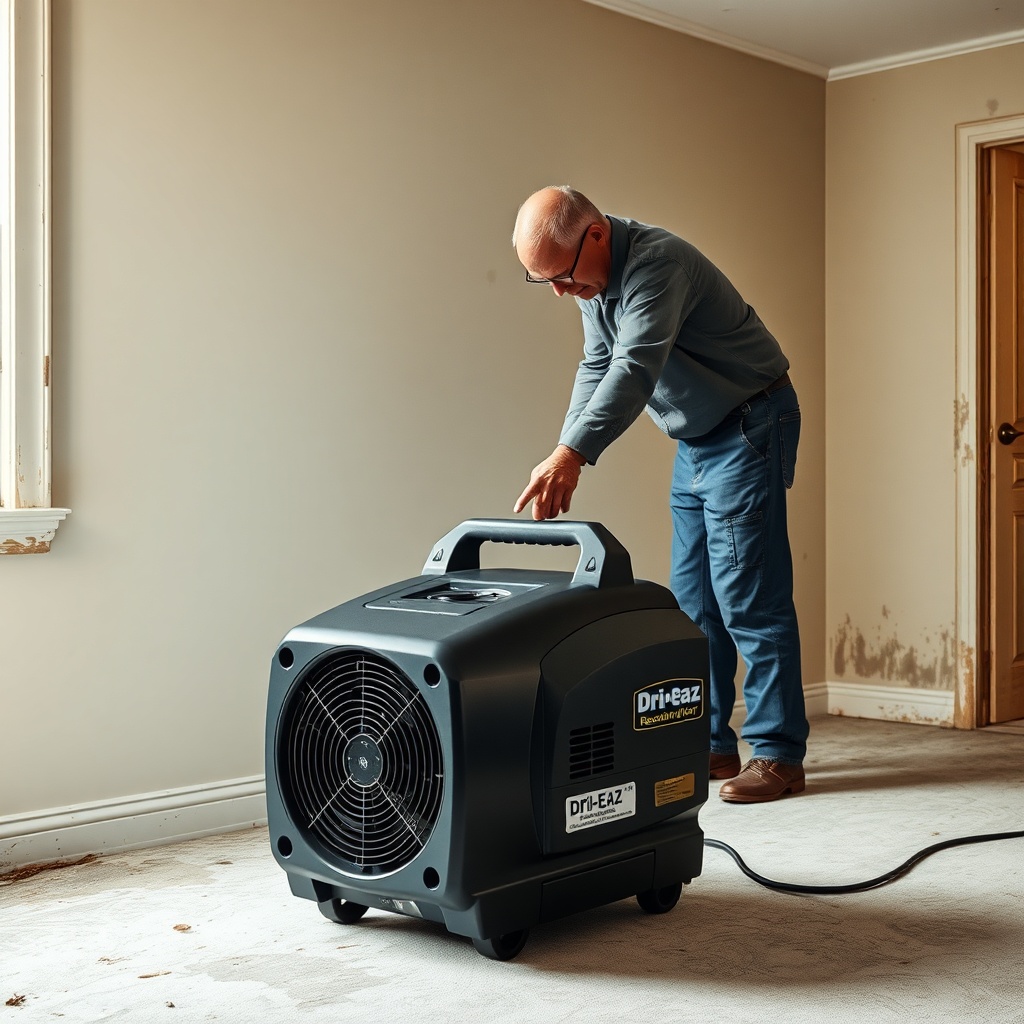
Moreover, the unit’s durability—built with a reinforced composite housing and sealed motor—minimizes repair costs over its lifespan. At approximately £1,200 to £1,500 per unit in the UK market (or $1,500–$1,900 USD), the upfront investment is recouped through fewer callbacks and improved customer satisfaction. Insurance companies also favor documented use of heated drying equipment for mold claims, as it demonstrates proactive moisture management.
What Is the Ideal Setup for Maximum Mold Prevention?
To leverage the F410 Revolution for mold control, positioning is critical. The unit should be placed 3–5 feet from the targeted surface, angled to create a sweeping airflow pattern across the damp area. For crawlspaces, direct the heated air into vapor barriers and floor joists; for basements, aim at the lower third of walls where condensation collects. The integrated handle and 25-foot power cord allow for quick repositioning without extension cords, maintaining consistent output across expansive areas.
Professionals recommend pairing the F410 Revolution with a dehumidifier, especially in enclosed spaces. While the heated dryer accelerates surface evaporation, a LGR dehumidifier captures airborne moisture to prevent recondensation. This combination is the gold standard in modern mold remediation protocols and is fully supported by the F410’s adjustable louvers and variable speed settings.
What Do Restoration Professionals Say About the F410?
Users consistently highlight the F410’s reliability in high-humidity scenarios. One contractor from Manchester noted: “We used three standard air movers in a flooded flat last winter and still had mold within a week. Switched to two F410 Revolution units, and the surfaces were dry in under 48 hours—no recurrence.” Another reviewer from an IICRC-certified firm remarked that the heat function never caused material damage, even when left running against hardwood flooring for 36 hours straight.
Common praise points include the low noise level—unlike many commercial dryers that require ear protection, the F410 operates at a comfortable 68 dBA—and the ability to direct airflow precisely using the adjustable front vanes. Negative feedback is minimal but occasionally mentions the unit’s weight (28 lbs) as slightly heavier than pure blowers, though most agree the added mass is acceptable given the performance gains. Overall, the F410 Revolution earns a 4.7 out of 5 star rating on restoration supplier sites, with “effective mold prevention” listed as the top purchase driver.
Frequently Asked Questions
1. Can the Dri-Eaz F410 Revolution be used directly on moldy surfaces?
Yes, but only after initial remediation measures (e.g., antimicrobial application). The heated air helps dry treated surfaces, preventing recontamination. Never use it to blow directly on active mold colonies without protective containment—this can spread spores.
2. How many F410 units are needed for a typical basement restoration?
For a 500 sq ft basement with water damage, most contractors recommend 2–3 units placed at opposite walls. The heat output creates a thermal gradient that drives moisture toward the center, where a dehumidifier can work efficiently.
3. Does the heat element affect drying time for wood floors?
When used appropriately, heat reduces drying time by 20–30% on engineered wood and hardwood. The F410’s thermostat ensures the temperature stays below 100°F at the surface, preventing warping or cupping. Always monitor moisture content with a pinless meter.
4. Is the F410 Revolution energy-efficient for long-term operation?
At 12.2 amps, the unit uses roughly 1.45 kW per hour. Compared to running two 8-amp non-heated dryers (2.0 kW combined), the F410 is more energy-effective for the coverage area. Many contractors report a 25% reduction in total drying costs per job.
5. What maintenance does the F410 Revolution require?
Minimal—clean the intake filter weekly during heavy use, and inspect the heating element for debris buildup quarterly. The sealed motor requires no oiling. Check the power cord for cracks after extended use in wet conditions.
6. Can I rent the F410 Revolution for a DIY mold cleanup?
Yes, many equipment rental outlets (e.g., Sunbelt Rentals, HSS) offer this unit for approximately £50–£70 per day in the UK ($65–$90 USD). Ensure you also rent a HEPA vac and dehumidifier for a complete system.