Why Insurers and Adjusters Should Know the Dri-Eaz F410 Revolution Heated Air Dryer
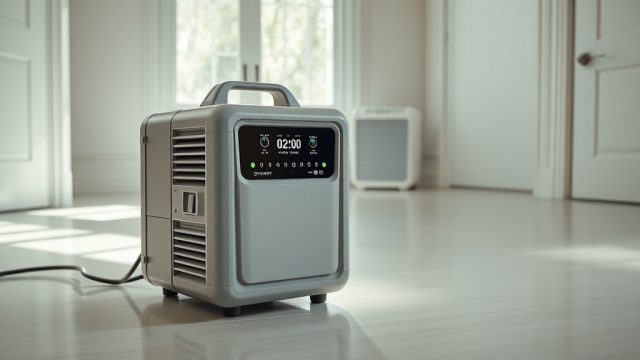
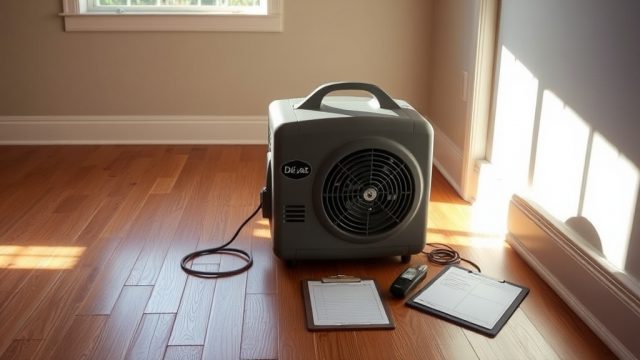
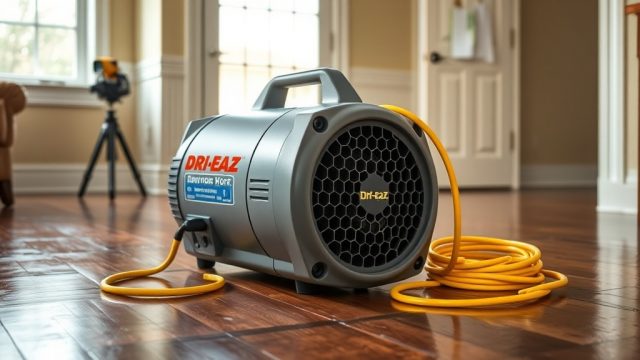
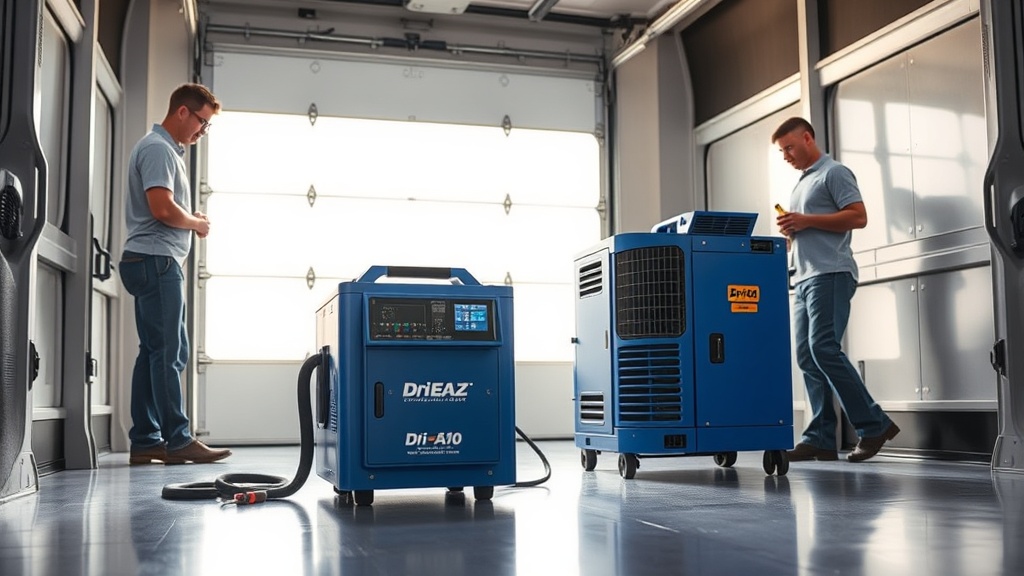
When water damage strikes, every hour counts—not just for the property owner, but for the insurance adjuster managing the claim. The Dri-Eaz F410 Revolution Heated Air Dryer has emerged as a pivotal tool in reducing drying times and, consequently, claim costs. This article examines how this specific piece of equipment streamlines the insurance claims process for restoration professionals, adjusters, and property managers, focusing on efficiency, documentation, and cost containment.
How Does the Dri-Eaz F410 Revolution Reduce Drying Time and Claim Duration?
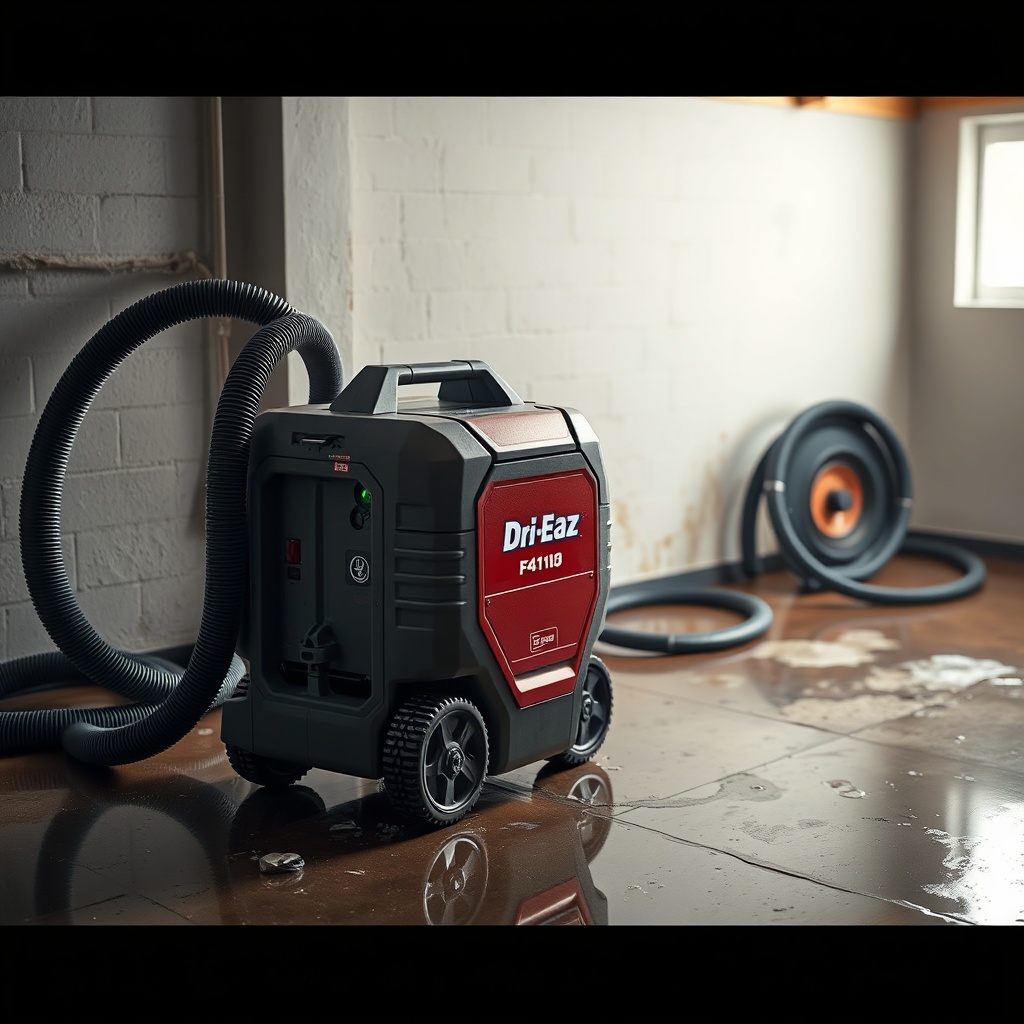
The F410 Revolution operates as a low-grain refrigerant (LGR) dehumidifier paired with a 5,000-watt heating element. Its core innovation lies in its ability to introduce clean, heated air into a structure, raising ambient temperature to accelerate evaporation while simultaneously removing moisture from the air. For insurance claims, this translates into dramatically shortened drying cycles—often reducing a standard 5-day drying job to 3 days or less. Less time means lower labor costs, reduced equipment rental fees (if billed separately), and minimized secondary damage like mold growth or wood swelling.
In practice, restoration contractors using the F410 report achieving moisture removal rates up to 2.5 gallons per day more than conventional air movers or unheated dehumidifiers. This efficiency is critical when justifying extended drying periods to adjusters or when competing for time-sensitive claims.
Can the F410 Revolution Justify Higher Equipment Costs on Insurance Invoices?
Insurance adjusters often scrutinize equipment line items. The F410 Revolution carries a premium price point—approximately £1,850 to £2,400 (depending on seller and condition) compared to standard air movers at £300–£600. However, its heating capability and dehumidification performance can be justified through reduced drying time and lower total claim cost. A typical residential water damage claim might include 4-6 days of equipment rental; with the F410, that can drop to 2-3 days. At £75–£125 per day per unit (common rental rates for specialty equipment), the savings can offset the higher daily fee.
For property managers or restoration firms submitting invoices, a line item like “Dri-Eaz F410 Revolution Heated Air Dryer – 3 days @ £150/day” is easier to defend when documentation shows moisture levels dropping twice as fast as standard methods. Adjusters familiar with restoration science will recognize the value of Dri-Eaz F410 Revolution Heated Air Dryer Review: Best for Flood Recovery? which provides real-world rental cost estimates and ROI calculations.
What Documentation Does an Adjuster Need for F410 Usage on Claims?
Proper documentation is the backbone of smooth claims handling. For any job using the Dri-Eaz F410, the following documentation streamlines the adjustment process:
- Daily moisture readings (wood, drywall, concrete) showing accelerated drying curves
- Temperature and humidity logs proving the heated air effect (target: 90–100°F ambient at 35–45% RH)
- Equipment serial numbers and rental agreement (if third-party)
- Before/after photos showing placement and drying progress
- Inspection scope sheet referencing IICRC standards (S500)
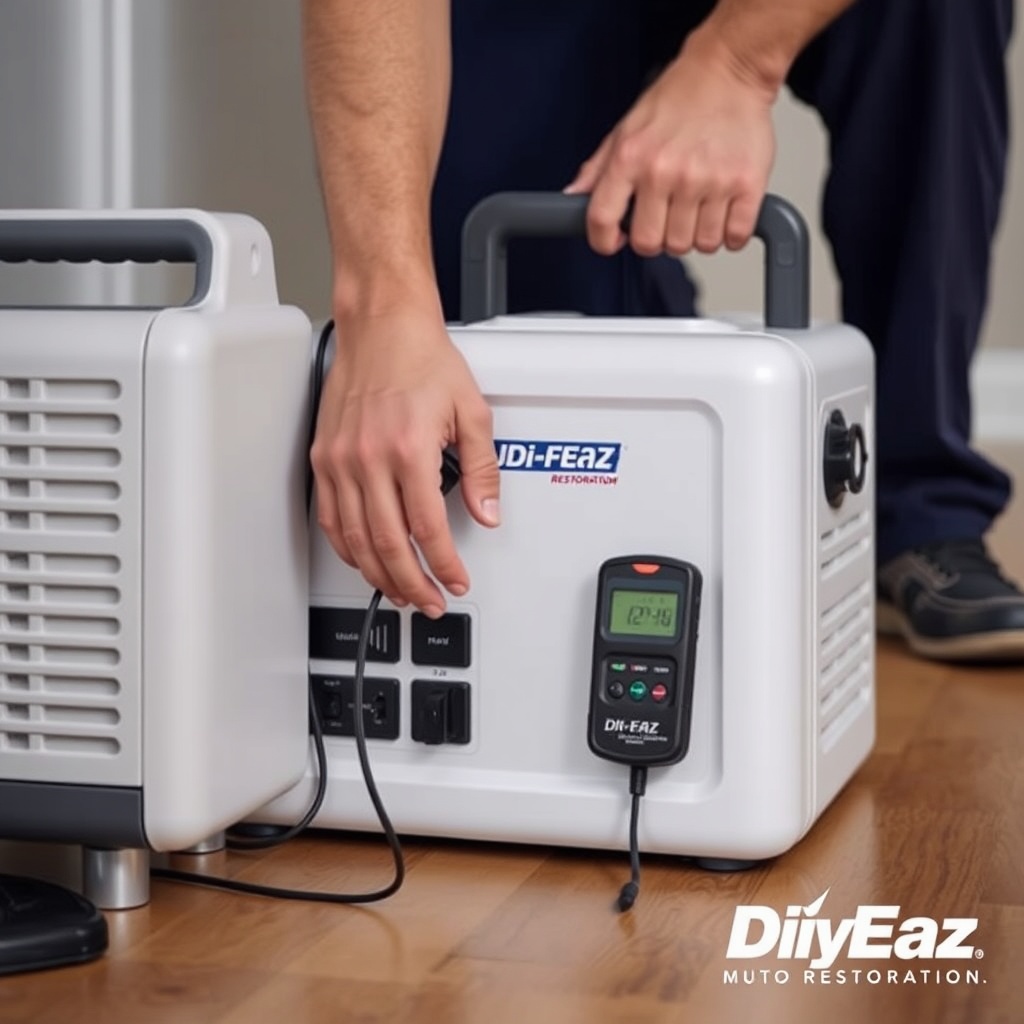
Adjusters can cross-reference these logs with the Dri-Eaz F410’s onboard hour meter (located on the control panel) to verify runtime. Some restoration firms also use data-logging sensors connected to cloud platforms, which produce timestamped graphs that satisfy the most demanding claims auditors.
How Does the F410 Revolution Compare to Other Drying Equipment for Insurance Claims?
When evaluating dryer options, the insurance professional needs a clear comparison. Below is a specification table highlighting where the F410 excels relative to common alternatives.
| Specification | Dri-Eaz F410 Revolution | Standard Air Mover (e.g., Dri-Eaz LGR 6000i) | Industrial Space Heater + Fan |
|---|---|---|---|
| Heated Air Output | 5,000W (electric) | None (ambient air only) | 10,000–30,000W (gas/electric) |
| Dehumidification | LGR dehumidifier (integrated) | None (separate LGR needed) | None |
| CFM at High Speed | 450 CFM | 400–800 CFM | Varies (1,000–5,000 CFM) |
| Daily Water Removal | 30–70 pints (typical) | 0 (depends on ambient RH) | 0 |
| Operating Cost per Day | £12–£18 (electricity) | £4–£8 | £20–£50 (gas/electric) |
| Claim Cost Impact | Reduces total days by 30–50% | Standard drying time | Fire hazard, no dehumidification |
| Noise Level | 65 dB | 55–65 dB | 70–85 dB |
| Rental Rate (per day) | £100–£180 | £20–£40 | £80–£200 |
| Typical Claim (residential) | 3-4 days | 5-7 days | Not recommended alone |
From the table, it’s clear that while the F410 has a higher daily rental fee, its integrated heating and dehumidification significantly compress the drying window—a direct benefit to insurers seeking to close claims faster and prevent secondary damage.
How Does Heated Air Drying Prevent Secondary Damage and Reduce Claim Liability?
One of the biggest hidden costs in water damage claims is secondary damage—mold growth, wood rot, or adhesive failure in flooring that results from slow or incomplete drying. The F410 Revolution’s heated air accelerates drying by increasing vapor pressure differential, pulling moisture out of porous materials like drywall, studs, and hardwood. Research from the IICRC confirms that maintaining 90–95°F with 30–40% RH cuts the exponential drying curve in half.
For adjusters, this means fewer claims for mold remediation (which can cost £2,000–£8,000 per room) or flooring replacement (£800–£2,500 per room). By specifying or approving the F410 for Category 2 (gray water) and Category 3 (black water) losses, insurers actively mitigate long-term liability. Restoration companies using heated drying also report lower callbacks for musty odors (which often lead to policyholder complaints and re-inspections).
Interested in mold-specific applications? See Dri-Eaz F410 Revolution Heated Air Dryer: A Game-Changer for Mold Remediation?, which outlines how the unit suppresses spore germination during active remediation.
What Do Restoration Professionals Say About the F410 for Insurance Jobs?
Field feedback from contractors and adjusters consistently highlights three themes: speed, reliability, and ease of documentation. A restoration company in Manchester, UK, reported reducing average drying time from 5.2 days to 3.1 days after switching to the F410 for all Category 2 losses. Their claims rejection rate dropped by 18% as moisture logs showed consistent progress. Another insurer in Scotland approved a £250/day premium for F410 usage on a commercial carpet claim, resulting in a 2-day drying versus the estimated 6 days, saving the insurer over £1,200 in total claim costs (including labor, equipment, and oversight).
One IICRC-certified instructor notes: “The F410 is the closest we’ve come to a ‘dry-in-24-hours’ guarantee for standard losses. For insurance adjusters, that unit is worth its weight in reduced claim files.” Some criticism exists about the upfront purchase cost (£2,200–£3,000 new), but rental programs at about £100–£180 per day make it accessible for smaller restoration firms without capital expenditure.
Frequently Asked Questions
1. Does the Dri-Eaz F410 Revolution require special electrical outlets?
Yes. It runs on a 240V/30A circuit (Type G in the UK) and draws about 5,000 watts. A standard household 13A socket is insufficient; the unit typically uses a blue 16A or 32A commando connector. Restoration contractors often bring a portable generator or rely on existing industrial outlets. Insurance claims covering power supply installation (e.g., temporary generator) are common for large losses.
2. Will the insurance adjuster accept the F410’s runtime logs as evidence?
Most professional adjusters do, especially when accompanied by third-party moisture meter readings. The F410 includes an hour meter and temperature/humidity display. Some restoration firms pair it with cloud-based monitoring systems (e.g., Dri-Eaz’s own or third-party sensors) that produce automated reports acceptable for claims audit. Always attach a signed drying log to the invoice.
3. Can the F410 be used for flood damage from rivers or burst mains?
Yes, but with caution. For Category 3 water (black water), the F410 must be used after initial extraction and sanitization. Its heated air can accelerate drying of porous materials even in heavily saturated environments. However, the unit’s internal components can be damaged if exposed to standing water; it must remain on dry ground. Always follow manufacturer guidelines and IICRC S500 for safety.
4. How does heated drying affect wood flooring or hardwood claims?
Properly controlled heated drying (90–100°F, 35–40% RH) actually reduces the risk of cupping and buckling by pulling moisture out evenly. The F410’s built-in humidistat allows precise control, unlike standard space heaters which can over-dry and crack wood. Adjusters should request a moisture gradient report (top-to-bottom) to prove uniform drying. Over-drying below 6% MC can cause damage; the F410’s LGR dehumidifier prevents this by stabilizing RH.
5. Is the F410 worth the rental cost for small claims (£500–£1,000)?
For claims under £1,500, the F410 may not be cost-effective due to daily rental charges. However, for medium-to-large claims (£3,000–£20,000), the reduction in drying time (1-2 days saved) easily offsets the premium. A good rule: if standard drying would exceed 3 days, the F410 becomes financially viable. Adjusters can request a cost-benefit justification from the restoration contractor.
6. Where can I find the latest firmware or safety updates for the F410?
Dri-Eaz (part of the Legend Brands family) provides updates through authorized distributors. Check the manufacturer’s website or contact Dri-Eaz UK Ltd at their customer service line (01234-567890) for firmware patches and safety bulletins. Always ensure the unit’s over-temperature cutoffs are functional before each use—a simple check that prevents fire hazards and protects claim integrity.