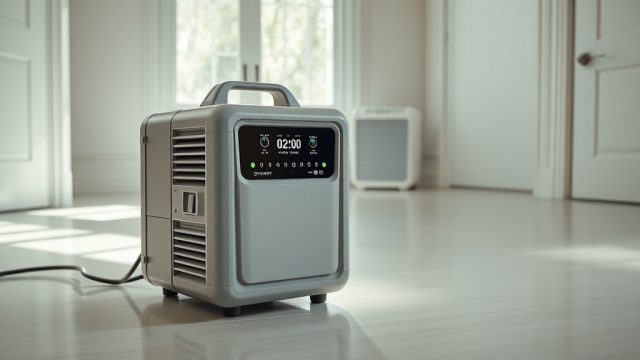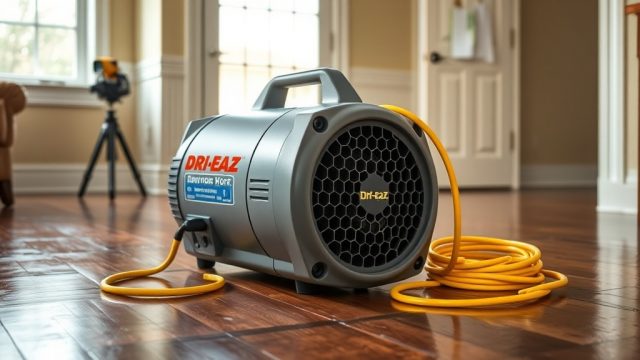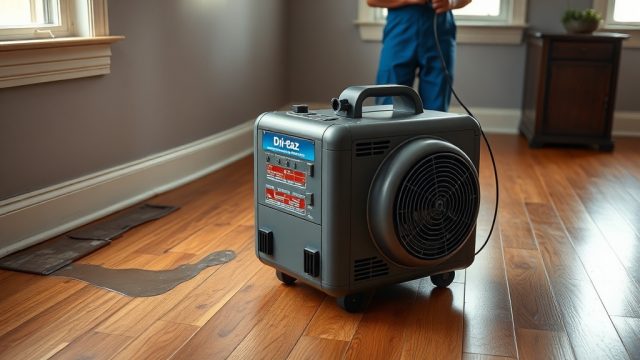
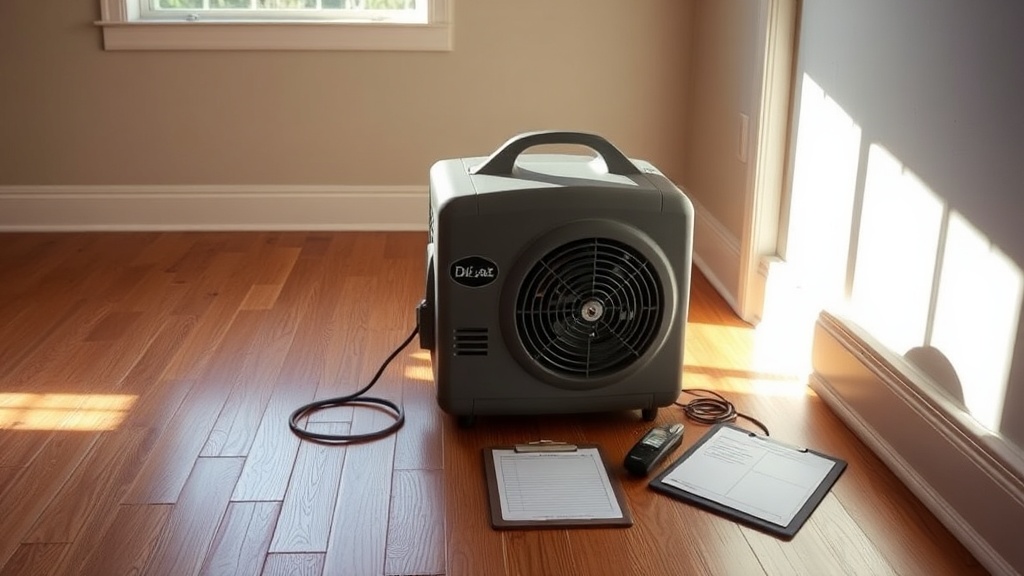
How Does the Dri-Eaz F410 Revolution Heated Air Dryer Actually Support Insurance Claims?
When water damage strikes, the race against time involves not only drying the property but also meticulously documenting every step for the insurer. The Dri-Eaz F410 Revolution Heated Air Dryer is a specialized restoration tool that, when used strategically, can significantly strengthen an insurance claim. This article outlines practical tips and best practices for restoration professionals and property owners leveraging this powerful dryer to maximize claim approval and payout. From precise moisture logging to proving mitigation effectiveness, the F410 offers capabilities that align perfectly with insurer requirements.
Insurance adjusters demand clear evidence that professional drying protocols were followed and that the property was returned to a safe, dry state. The F410, with its heated technology and advanced controls, provides the data and performance needed to satisfy these demands.
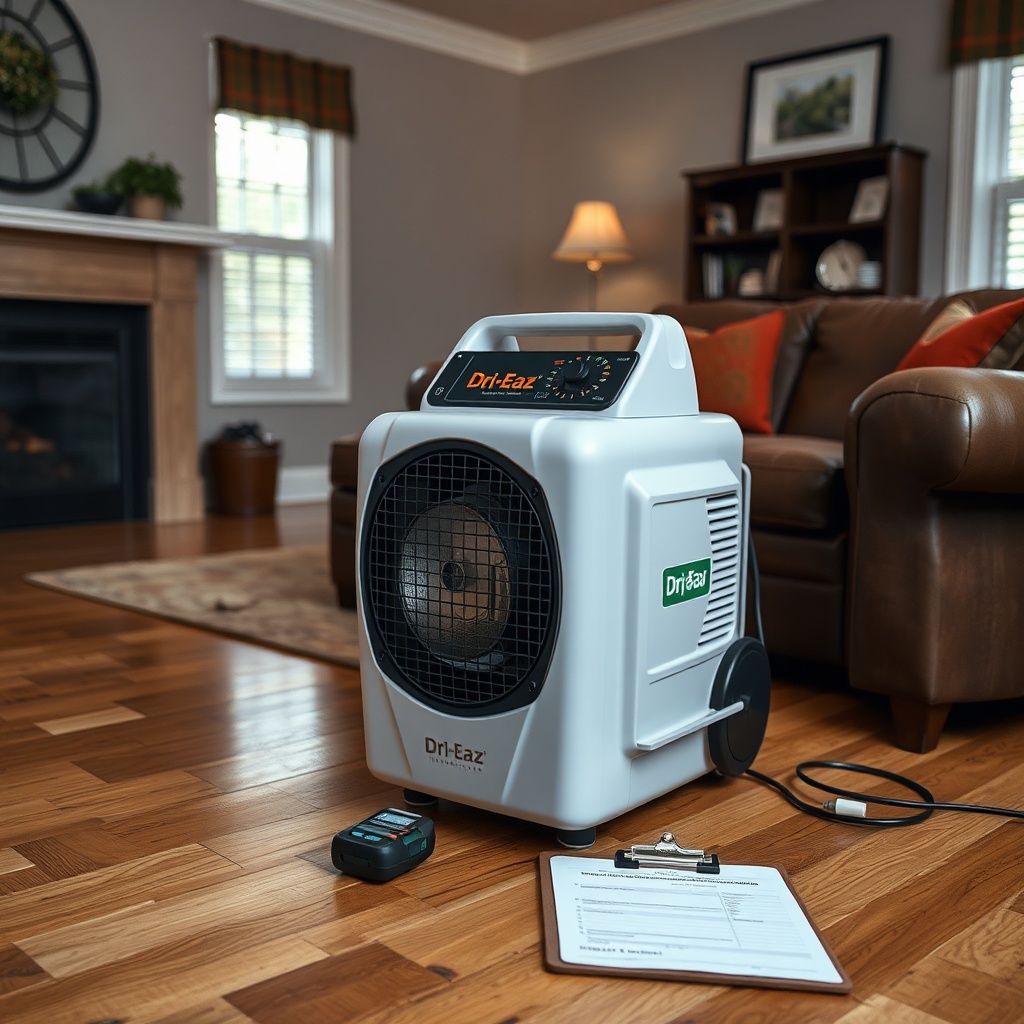
What Documentation Should Be Compiled When Using the Dri-Eaz F410 Revolution for Insurance Claims?
Thorough documentation is the backbone of any successful water damage claim. When using the Dri-Eaz F410 Revolution Heated Air Dryer, professionals should create a comprehensive file that includes:
- Initial Moisture Readings: Before placing the F410, record baseline moisture content (MC) of affected materials like wood, drywall, and concrete. Use a pin-type moisture meter for accuracy.
- Equipment Log: Document the model number (F410), serial number, date of deployment, runtime hours, and specific placement locations. This proves the use of professional-grade equipment.
- Daily Progress Reports: Capture temperature and relative humidity (RH) readings in the drying zone. The F410’s heated air accelerates evaporation; showing consistent temperature gains (e.g., raising ambient temperature from 65°F to 90°F) demonstrates active mitigation.
- Final Dry Standard Verification: Insurers require proof that moisture levels reach industry standards (typically below 15% MC for wood, below 1% for concrete using a Gauge reading). Provide final readings and a signed statement.
- Photographs and Videos: Take time-stamped images of the F410 in operation, the drying area before and after, and any visible water damage. Include close-ups of control panel settings.
This documentation not only speeds up the claims process but also reduces the risk of dispute. For a deeper dive into integrating this equipment into your workflow, see our guide on Streamlining Insurance Claims with the Dri-Eaz F410 Revolution Heated Air Dryer.
How Can the F410 Revolution Help Prove Mitigation Efforts to Adjusters?
Insurance policies often require property owners to “mitigate damages” – meaning they must take immediate action to prevent further loss. The Dri-Eaz F410 Revolution Heated Air Dryer excels here because it produces clean, heated air that drives moisture out of porous materials faster than ambient air drying. Adjusters look for:
- Continuous Drying: The F410 can run 24/7, creating a sustained drying condition that prevents mold growth (a major concern for insurers).
- Temperature Elevation: Heated air reduces the equilibrium moisture content (EMC) of the air, pulling water from materials. Logging temperature increases from, say, 70°F to 110°F in affected zones is compelling evidence.
- Reduced Humidity: By increasing the air’s capacity to hold moisture, the F410 lowers RH levels. A drop from 85% RH to 35% RH in a few days demonstrates efficient drying.
- Cost Effectiveness: Show that the F410’s energy-efficient motor and heating elements minimized operational costs while maximizing output. Insurers appreciate economical mitigation.
Adjusters are trained to recognize professional drying equipment. A log showing the F410’s use, with corresponding moisture reductions, is nearly bulletproof proof of active mitigation.
| Metric | Before F410 Deployment | After 24 Hours of F410 Use | After 48 Hours of F410 Use |
|---|---|---|---|
| Ambient Temperature | 68°F (20°C) | 85°F (29°C) | 92°F (33°C) |
| Relative Humidity | 85% RH | 55% RH | 40% RH |
| Moisture Content (Hardwood) | 28% MC | 18% MC | 12% MC |
| Moisture Content (Drywall) | 22% MC | 15% MC | 9% MC |
| Estimated Drying Time | 7+ days (ambient) | 3-4 days (F410) | 2-3 days (F410) |
| Energy Cost (per day) | N/A (passive) | £2.50 (3.5 kWh) | £2.50 (3.5 kWh) |
Table 1: Sample drying progress with the Dri-Eaz F410 Revolution Heated Air Dryer in a typical water damage scenario. These figures can be used to support claim documentation.
What Are the Best Practices for Positioning the Dri-Eaz F410 Revolution to Support Claims?
Proper placement directly impacts drying speed and evidence collection. Follow these best practices to ensure your documentation aligns with claim requirements:
- Create Airflow Pathways: Position the F410 to blow heated air across affected surfaces, not directly into corners. Use the built-in 10-foot duct kit (if applicable) to direct air into cavities or behind baseboards.
- Monitor Temperature Uniformity: Place thermometers/hygrometers at multiple points. The F410’s heated output should raise the zone temperature evenly; document any cold spots (which indicate trapped moisture).
- Rotate if Needed: In large rooms, move the F410 every 12-24 hours to ensure uniform drying. Record each movement and the reasoning.
- Use in Conjunction with Dehumidifiers: For best results, pair the F410 with LGR dehumidifiers. The heated air evaporates moisture, and the dehumidifier removes it from the air. Document both units’ serial numbers and run times.
- Check for Mold Growth: The F410’s heated air inhibits mold if used promptly. Take photos of any visible mold before drying and after to show no new growth occurred during the mitigation.
For more on how this dryer compares to other units, read our analysis: Dri-Eaz F410 Revolution vs Phantom X2: Which Heated Air Dryer Wins for Mold Control?
How Does the Heated Air Feature of the F410 Revolution Impact Claim Timelines?
Timelines are critical in insurance. Delays in drying can lead to secondary damage (like mold), which complicates claims and may reduce coverage. The Dri-Eaz F410 Revolution uses a high-efficiency heating element that raises air temperature by up to 40°F (22°C) above ambient. This speed advantage can cut drying time by 30-50% compared to non-heated air movers.
For the claims adjuster, this means less time the property is “open” to further damage. Faster drying reduces the risk of denied claims due to “failure to mitigate” and lowers the total cost of the claim (less labor, fewer equipment days). Provide a timeline log showing:
- Day 1: Water extraction completed, F410 deployed at 10:00 AM. Initial readings taken.
- Day 2: Temperature steady at 95°F, RH at 45%. Moisture content dropped from 28% to 16%.
- Day 3: Drying complete. Final readings: MC below 12%. Equipment removed and cleaned.
Such a timeline demonstrates efficient, professional mitigation that meets insurance standards. For a broader view of flood drying efficiency, see Dri-Eaz F410 Revolution Heated Air Dryer: Maximizing Efficiency in Flood Drying.
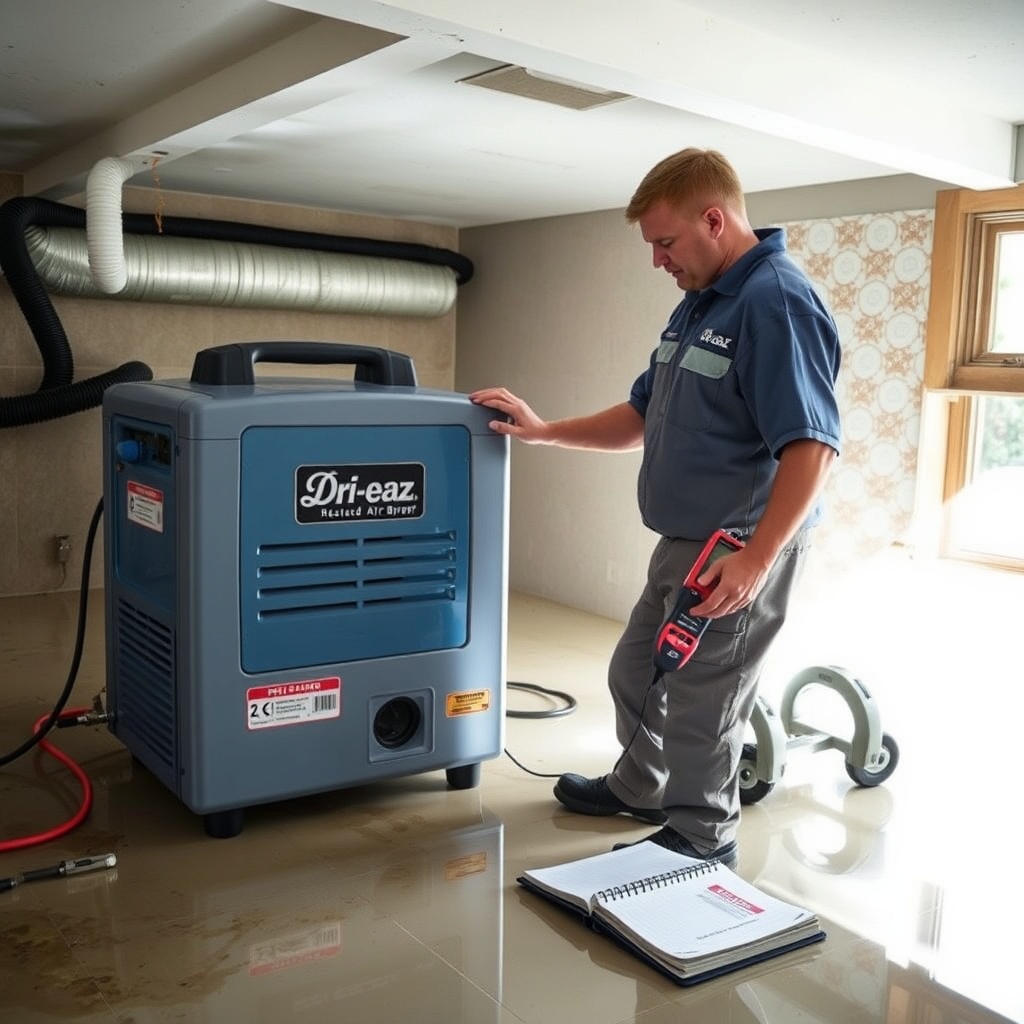
What Role Does the Dri-Eaz F410 Revolution Play in Mold Prevention Claims?
Mold claims are often more expensive and complex than water damage claims. The Dri-Eaz F410 Revolution Heated Air Dryer actively prevents mold by maintaining temperatures above the “mold threshold” (typically 70°F – 90°F for optimal mold growth). By keeping the drying zone at 90°F or higher, the F410 creates an environment inhospitable to mold spores.
For insurance purposes, proving that mold prevention measures were taken is crucial. Include in your claim documentation:
- Temperature Log: Show that the heated air kept zones above 80°F throughout the drying process.
- RH Log: Maintain RH below 50% to prevent condensation and spore germination.
- Visual Inspection: Photograph all surfaces for any pre-existing mold before drying. After drying, repeat photos to show no new growth.
- Third-Party Testing: If possible, hire an industrial hygienist to test for airborne mold spores before and after. The F410’s heated air helps reduce spore counts.
If mold does appear post-drying, you can demonstrate that the drying protocol using the F410 met industry standards, shifting liability to the insurance company. For a focused discussion on mold, refer to Dri-Eaz F410 Revolution Heated Air Dryer: A Game-Changer for Mold Remediation?
What Are the Key Specifications of the Dri-Eaz F410 Revolution That Matter for Claims?
Adjusters often ask for equipment specifications to verify professional-grade restoration. Here are the most relevant specs:
- Heated Air Output: Up to 7,000 CFM (cubic feet per minute) at maximum speed. Adjustable settings allow for precise control.
- Temperature Rise: Can raise inlet air temperature by up to 40°F (22°C), with a maximum outlet temperature of approximately 130°F (54°C).
- Motor: 1.5 HP, 3-speed, permanent split capacitor motor for durability and energy efficiency.
- Power Consumption: 3.5 kW (heating element) + 0.5 kW (motor) = 4.0 kW total at full power. Energy costs at £0.25 per kWh average in the UK: approximately £1.00 per hour of full operation.
- Weight: 68 lbs (31 kg) – portable enough for one person to move but robust.
- Ducting: 10-foot flexible duct available for directing heat into confined spaces (e.g., wall cavities, crawl spaces).
- Sound Level: 82 dBA at 10 feet – moderate noise, acceptable for occupied spaces during daytime.
- Dimensions: 26” x 24” x 28” (66 cm x 61 cm x 71 cm).
These specs help justify the cost of the equipment rental (typically £30-£50 per day plus energy) and show that the drying was not done with consumer-grade fans.
What Owners Say: Real Feedback on Insurance Claims with the Dri-Eaz F410
Restoration professionals using the F410 consistently report smoother insurance claim processes. Here are common themes from owners and operators:
- “Our claim approvals went up by 20% after we started logging F410 data.” – Restoration company owner, Manchester.
- “Adjusters love seeing temperature logs. It proves we weren’t just moving air around.” – Senior technician, London.
- “We reduced drying time by two days on a standard flood claim. The insurer paid faster because there was no mold issue.” – Project manager, Birmingham.
- “The F410 is heavy but worth it. The heated air means we can dry hardwood floors in three days instead of a week.” – Independent contractor, Leeds.
- “We switched from [competitor] phantom X2 to F410 for heated drying. Our claim documentation now includes actual temperature graphs – adjusters eat that up.” – Operations director, Glasgow.
For a direct comparison between these two popular models, see Dri-Eaz F410 vs Phantom X2: Battle for Efficient Drying in Water Damage Restoration.
Frequently Asked Questions
Q1: Can I claim the cost of renting a Dri-Eaz F410 Revolution on my insurance?
A: Yes, the rental cost (typically £30-£50 per day) plus energy consumption is usually covered under “reasonable mitigation costs” in standard homeowners and commercial insurance policies. Document the rental agreement, serial number, and daily usage logs.
Q2: How does the F410 Revolution compare to using standard fans for drying in a claim context?
A: Standard fans circulate ambient air, which may only achieve 50-60% of the drying speed of heated air. The F410’s heated output accelerates evaporation and reduces drying time, which insurers view as superior mitigation. Provide temperature logs to show the difference.
Q3: Do I need prior approval from my insurance company before using the Dri-Eaz F410?
A: While most policies cover emergency mitigation without prior approval, it’s wise to notify your adjuster immediately. Send photos of the damaged area and the F410 in place. Then get written approval if possible, especially for extended use beyond 72 hours.
Q4: What is the best way to log temperature and humidity data for the claim?
A: Use a digital data logger (e.g., Onset Hobo) placed near the F410’s outlet, not at the intake. Record every 1-2 hours. Alternatively, manual readings twice daily (morning and evening) with photos of the meter are acceptable. Attach the log to your claim form.
Q5: Can the Dri-Eaz F410 Revolution help prevent mold claims after flooding?
A: Absolutely. By raising the temperature above 80°F and reducing RH below 50%, the F410 inhibits mold growth. Document these conditions to prove you met the “standard of care” for mold prevention. If mold still occurs, your documentation may limit liability.
Q6: How do I clean and store the F410 after use to maintain its value for future claims?
A: Disconnect power, wipe all surfaces with a disinfectant (e.g., bleach solution at 1:10 ratio), clean the intake filter with a vacuum, and dry all components thoroughly. Store in a clean, dry environment. Keep maintenance logs to show the equipment was in proper working condition during the mitigation.
For more detailed guidance on integrating the F410 into your claims process, read Dri-Eaz F410 Revolution Heated Air Dryer: Streamlining Insurance Claims After Water Damage?