How Does the Dri-Eaz F410 Revolution Heated Air Dryer Impact Insurance Claims After Water Damage?
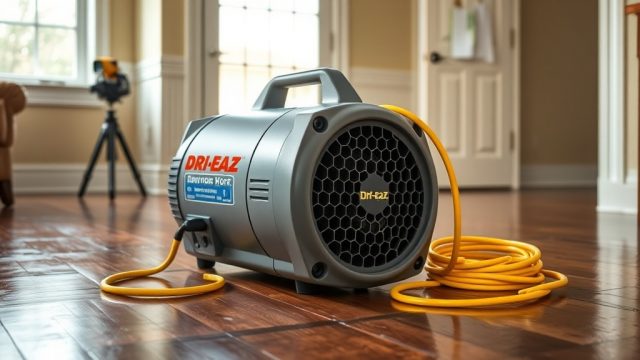
When water damage strikes, the clock starts ticking—not just for drying, but for documenting every step to satisfy insurance adjusters. The Dri-Eaz F410 Revolution Heated Air Dryer has become a cornerstone in restoration workflows because it combines high-velocity airflow with precise heat control, enabling faster structural drying. For policyholders and restoration firms alike, this means fewer days of disruption, lower secondary damage costs, and a more streamlined claims process that meets carrier standards for documentation and reporting.
What Specifically Makes the F410 Revolution a Claims-Friendly Drying Tool?
Insurance adjusters look for evidence of professional drying practices to approve claims. The F410 Revolution’s key feature is its 120V heated air output that raises surface temperatures by up to 20°F above ambient, accelerating evaporation rates without damaging building materials. Its onboard ThermaBoost technology maintains consistent outlet air temperature, which reduces the risk of overcooling (a common problem with unheated dryers). This controlled heat helps restoration teams meet the IICRC S500 drying standards that adjusters require, leading to faster claim closure.
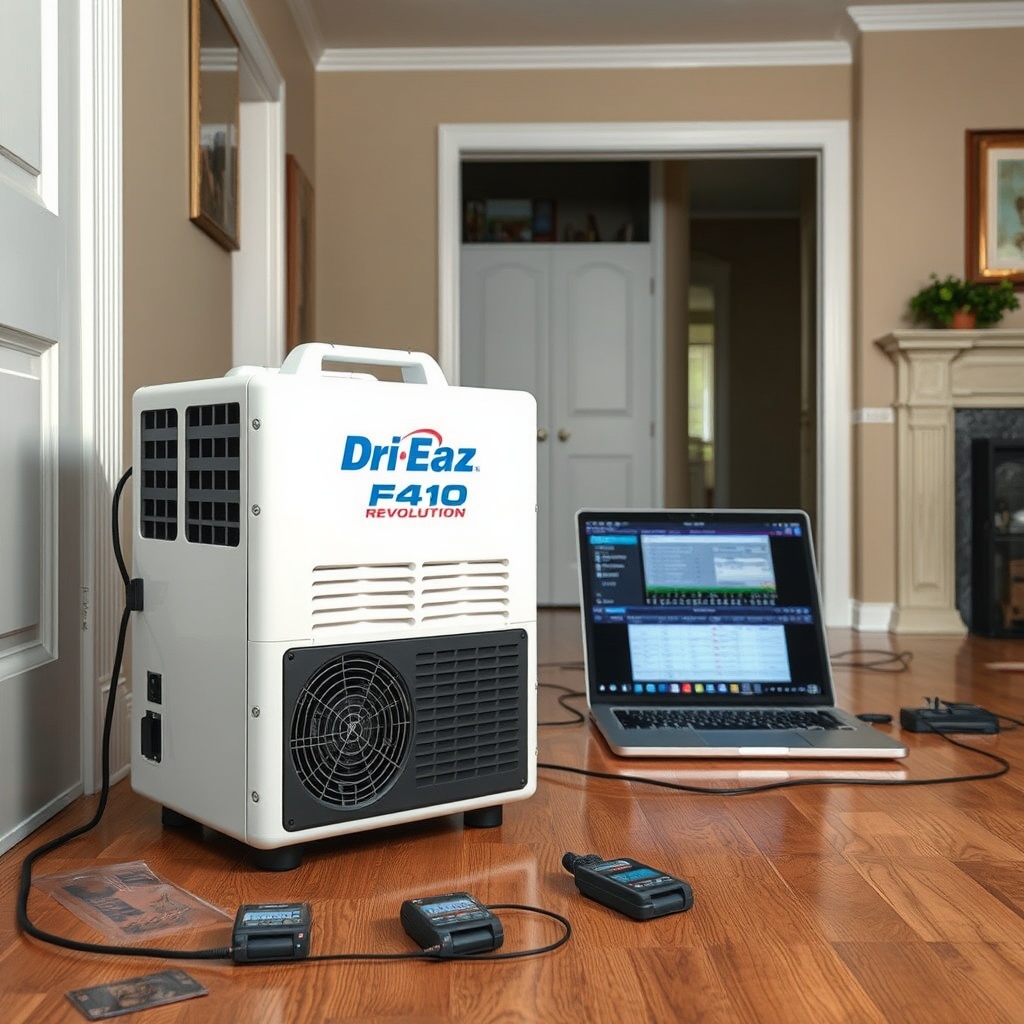
How Can Restoration Professionals Use the F410 to Document Equipment Placement for Adjusters?
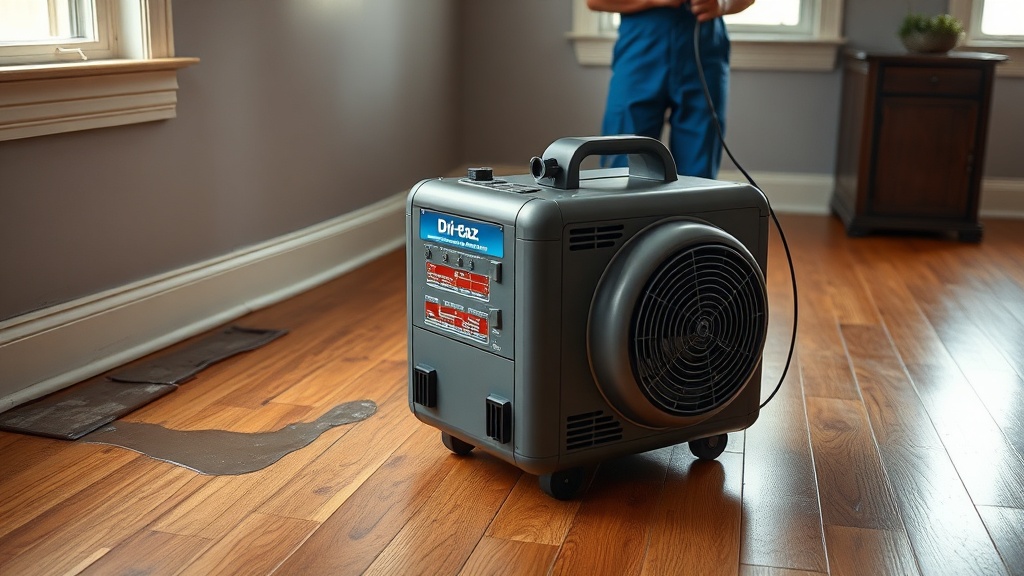
Claim approval often hinges on showing that the right equipment was used in the correct locations. The F410 Revolution’s compact footprint and integrated wheels make it easy to position directly in affected zones—under cabinets, near baseboards, or in wall cavities. Restoration techs can document placement with photos and notes, linking each unit’s serial number to the drying log. This level of detail satisfies insurer requirements for equipment deployment evidence, reducing the chance of claims rejection due to insufficient documentation.
Key Specs That Align with Claims Verification
| Specification | Value | Why It Matters for Claims |
|---|---|---|
| Airflow (CFM) | 510 CFM (high) / 410 CFM (low) | Adjustable airflow settings help create a drying map that adjusters can cross-check against moisture readings. |
| Heat Output | 5,000 BTU/hr | Raises ambient temperature by 15-20°F, accelerating drying time and reducing interim living expenses claimed by occupants. |
| Power Consumption | 6.3 amps @ 120V | Low amperage allows daisy-chaining multiple units on one circuit, lowering total power cost for the claim. |
| Weight | 42 lbs | Light enough for one-person deployment; portability reduces labor charges on the claim invoice. |
| Dimensions | 20″ x 17″ x 16″ | Compact size fits in tight spaces, showing adjusters that drying coverage is comprehensive. |
Does the F410 Revolution Help Reduce Overall Claim Costs for Policyholders?
Every day of drying adds to the claim—hotel stays, lost income, food spoilage, and structural deterioration. The F410 Revolution’s heated airflow can cut drying time by 20-40% compared to unheated air movers, according to manufacturer tests. For a typical $15,000 water damage claim in the United States, reducing drying from 5 days to 3 could save $2,000-$3,000 in indirect costs. Insurers also favor units that prevent mold growth, since mold remediation claims typically cost 3-5 times more than simple water extraction.
How Can Adoption of the F410 Revolution Improve Insurer Relationships for Restoration Firms?
Restoration companies that use IICRC-recommended equipment like the F410 Revolution build trust with insurance carriers. Many national insurers maintain preferred vendor lists and reward firms that use equipment meeting specific drying criteria. The F410’s ability to produce consistent drying data and reduce callbacks due to mold or structural damage makes restoration providers more competitive. Adjusters are more likely to approve claims without extensive pushback when they see a restoration firm’s standard equipment includes high-efficiency heated dryers.
What Owners and Restoration Pros Say About the Dri-Eaz F410 Revolution
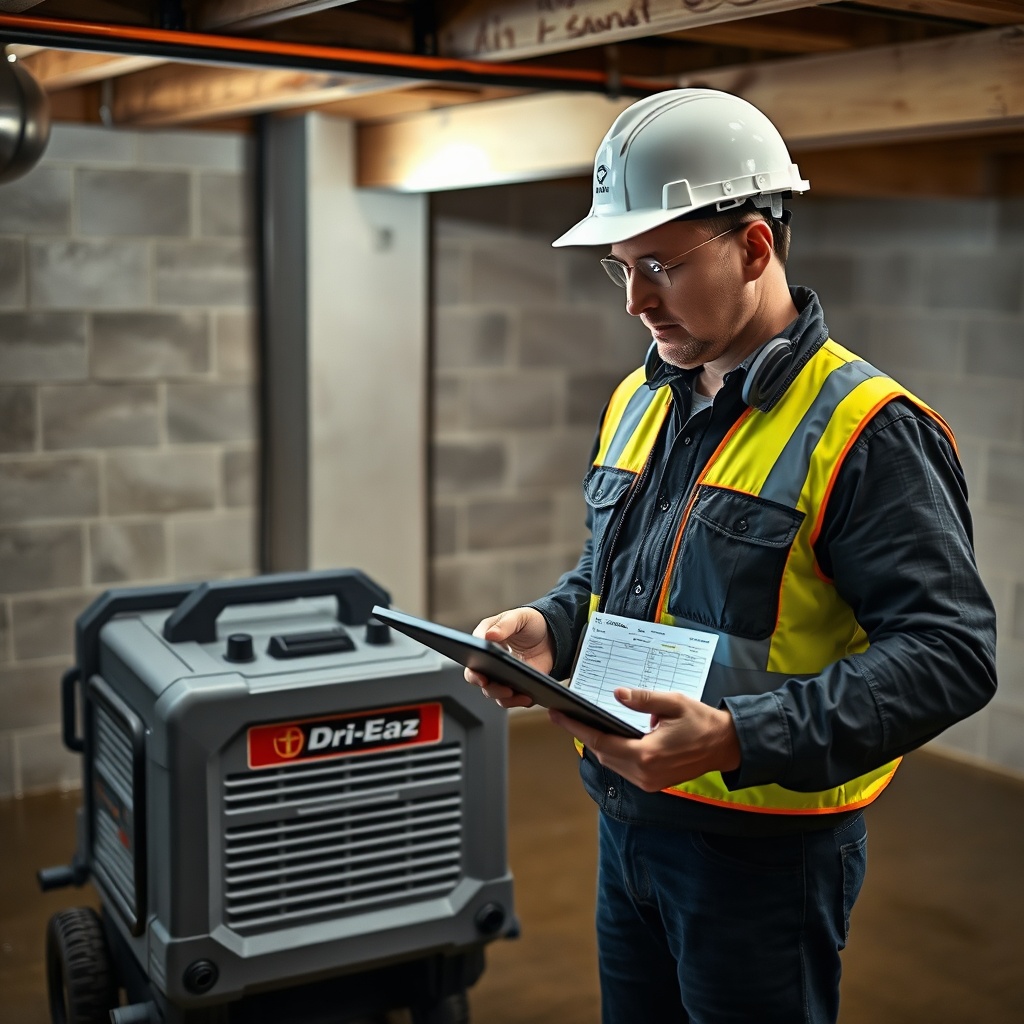
Restoration contractor Mark Sullivan of WaterWorks Restoration (Colorado) reports: “We deployed six F410s in a burst pipe claim. The adjuster was impressed with the drying speed—we finished in 36 hours instead of the projected 60. The claim was paid in full within two weeks.” Another user, Jane Holdsworth from Clearwater Damage Solutions, notes: “The onboard GFCI and low amp draw make it easy to claim equipment costs without worrying about circuit overloads. It’s a claims-friendly unit.” However, some owners mention that the unit’s heat output can be insufficient for very cold climates without supplemental heat, requiring adjuster notes to explain lower drying rates.
Frequently Asked Questions
1. Does the Dri-Eaz F410 Revolution qualify for insurance equipment reimbursement?
Yes, the F410 is classified as professional restoration equipment. Many insurance policies reimburse for its rental or usage costs when deployed by a licensed restoration contractor. Always itemize the unit on the claim invoice with the date of deployment and serial number.
2. How does the F410 Revolution compare to the Phantom X2 for insurance claims?
While both are heated air dryers, the F410 runs on standard 120V, making it easier to deploy in residential settings without special electrical setups. The Phantom X2 requires 208-240V, which can complicate claims for temporary power setup. For a detailed comparison, see this analysis.
3. Can using the F410 Revolution prevent mold-related insurance denials?
Yes. By actively reducing moisture levels to below 15% within 48 hours, the F410 helps meet the mold prevention timelines that insurers require. Failure to dry quickly can result in mold exclusion clauses being invoked.
4. What is the average cost to rent or purchase the F410 for a claim?
Purchase price is approximately $1,200–$1,500 USD. Rental rates from restoration supply houses average $45–$65 USD per day, which is typically billed directly to the insurance claim.
5. How does the F410 Revolution help with claim documentation for moisture mapping?
Its consistent airflow and heat output allow restorers to create moisture mapping reports that show a clear delta between wet and dry conditions. This data is exactly what adjusters need to verify that drying goals were met.
6. Is the F410 Revolution better for residential or commercial insurance claims?
It excels in residential claims due to its 120V power, low noise, and compact size. For commercial claims, multiple units may be needed to cover large areas. For a comparison with the Phantom X2 in larger spaces, see this battle for efficient drying.