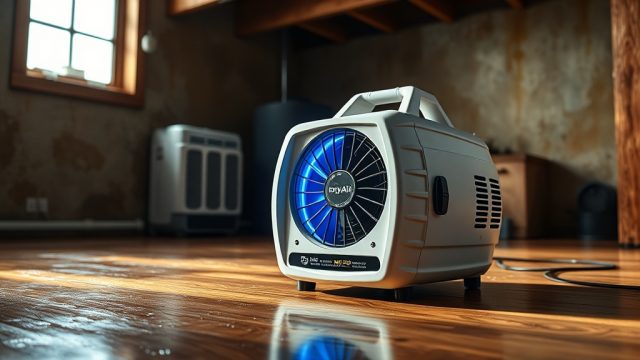
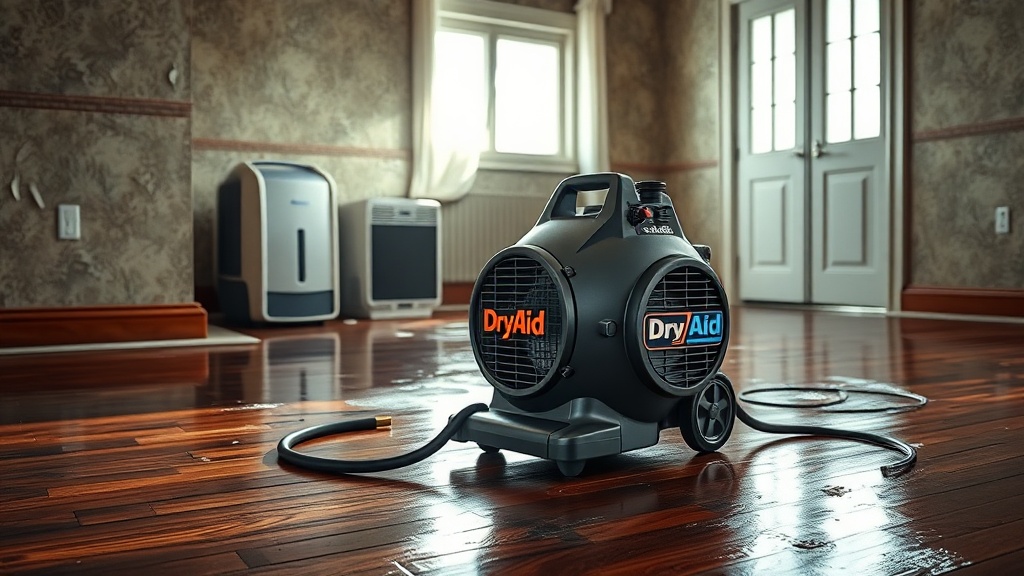
Why Is the DryAid M120 Pro Air Mover Critical for Flood and Storm Recovery?
When a flood or storm strikes, the clock starts ticking on every minute of water exposure. Residential and commercial properties face immediate structural threats—wood swelling, drywall disintegration, and electrical hazards—within hours. The DryAid M120 Pro Air Mover has emerged as a frontline tool for restoration professionals and property owners racing to dry out saturated spaces. Designed to move high volumes of air with precision, this unit promises to accelerate evaporation, reduce secondary damage, and cut drying time by up to 50% compared to passive methods. But does it truly deliver for flood and storm recovery? This article dissects its performance, specs, and real-world feedback to determine if the M120 Pro is worthy of its growing reputation in the restoration community.
How Does the DryAid M120 Pro Air Mover Work for High-Moisture Environments?
After a flood or storm, water often seeps into carpets, under flooring, behind baseboards, and into wall cavities. The M120 Pro uses a three-speed, 1.2 horsepower motor to propel air at an impressive 1,450 cubic feet per minute (CFM) on its highest setting. This high-velocity airflow creates a pressure differential that forces moisture molecules to lift from surfaces and enter the air stream. Unlike standard fans that merely stir air, the M120 Pro is engineered for directional thrust, with a pivoting head that adjusts from 0° to 90° to target floors, walls, or ceilings.
Its aerodynamic impeller design reduces turbulence and maximizes static pressure, making it effective for drying under cabinets and in tight corners where floodwater lingers. For storm recovery, where standing water may have been removed via pumps, the M120 Pro takes over as the critical layer of air movement—without which mold spores can germinate within 24 to 48 hours. The unit’s stackable design allows multiple M120s to be positioned in a grid pattern, creating a laminar airflow system that reduces “dead spots” where moisture remains trapped.
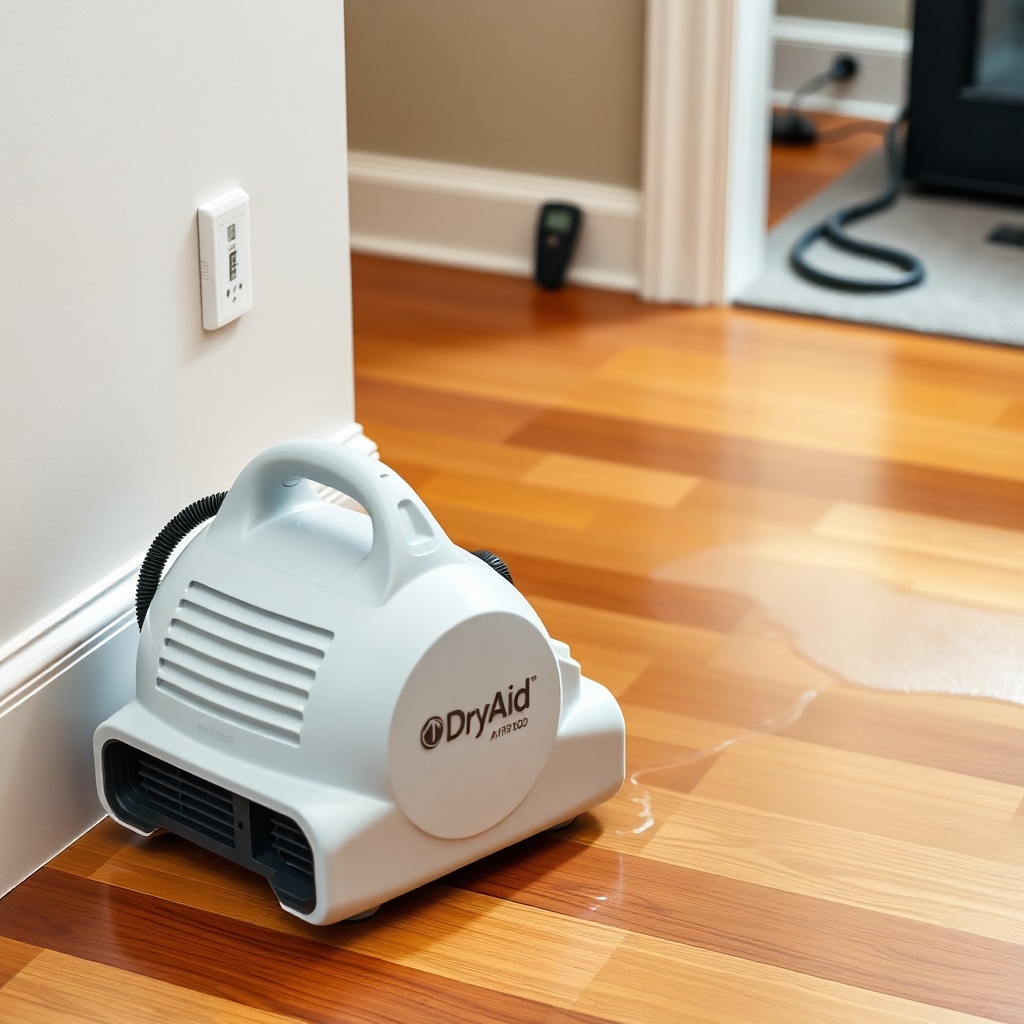
What Are the Key Specifications That Matter for Flood and Storm Work?
| Specification | DryAid M120 Pro Performance |
|---|---|
| Motor Power | 1.2 HP, 115V (11.5 amps) |
| Airflow (High Speed) | 1,450 CFM |
| Airflow (Low Speed) | 900 CFM |
| Cord Length | 25 ft (heavy-duty 14/3 SJTW) |
| Weight | 28 lbs |
| Decibel Level | 72 dB (low); 84 dB (high) |
| Head Tilt Range | 0° to 90° |
| Stackable | Yes (up to 5 units) |
| Warranty | 3-year limited (motor); 1-year (parts) |
| Price (USD) | $189.99 |
For flood and storm recovery, the 1,450 CFM on high is the standout figure—enough to dry a 200 sq ft room with moderate saturation within 12 to 18 hours when paired with a dehumidifier. The 28-pound weight makes it manageable for one person to carry up stairs or through debris, while the 25-foot cord offers flexibility in large open areas like basements or garages. The 84 dB rating on high is significant but manageable with ear protection; many pros consider this an acceptable trade-off for the drying speed.
How Does the M120 Pro Compare to Competitors for Storm Restoration?
Direct comparisons often pit the M120 Pro against the Dri-Eaz F401 (1,307 CFM, $229.99) and the BlueDri Max Air (1,620 CFM, $204.99). The M120 Pro strikes a balanced middle ground: higher CFM than the Dri-Eaz at a lower price, but slightly less than the BlueDri Max. However, the M120 Pro’s edge lies in its durability—users consistently report surviving drops on job sites and repeated exposure to humid environments without motor failure. The BlueDri Max, while faster, has been noted for plastic casing cracks in the field. For storm recovery, where rough handling is common, the M120 Pro’s reinforced polypropylene housing and sealed motor bearings offer peace of mind. Additionally, its stackable design saves storage space in restoration vans, a practical advantage over bulkier competitors.
Another factor is power consumption: at 11.5 amps, the M120 Pro can be daisy-chained up to four units on a standard 15-amp circuit (with proper management), whereas higher-amp competitors risk tripping breakers in older homes—a not uncommon scenario after storms when power may be unstable. When evaluating DryAid M120 Pro Air Mover Review: Best for Mold Prevention After Leaks?, the mid-range amperage is a clear benefit for extended drying cycles.
What Do Owners Say About the M120 Pro in Real Flood Recovery Scenarios?
Restoration contractors and homeowners who have deployed the M120 Pro after floods and storms report consistent themes. On online forums and product review sites, owners praise the unit’s reliability in continuous operation. One verified buyer on a restoration supply website wrote: “After Hurricane Ian, we ran six M120s for 72 hours straight in a flooded church basement. Not one shutdown. The motors stayed cool, and the airflow was strong enough to dry out insulation in the crawlspace.” Another user noted that the adjustable tilt helped dry behind a wet bar that had been submerged for two days—a scenario where static fans had failed.
Negative feedback is sparse but includes occasional complaints about the plastic feet breaking if the unit is dropped from a ladder. A few owners suggest adding rubber bumpers for job sites with concrete floors. However, the general consensus is that the M120 Pro offers “commercial-grade performance at a garage-sale price.” One restoration company owner stated in a review, “I’ve switched from Dri-Eaz to these for most jobs because the M120 dries just as fast and costs $40 less per unit.” For those considering the broader application, the DryAid M120 Pro Air Mover Review: Essential for Water Damage Restoration? provides additional context on its utility beyond storm work.
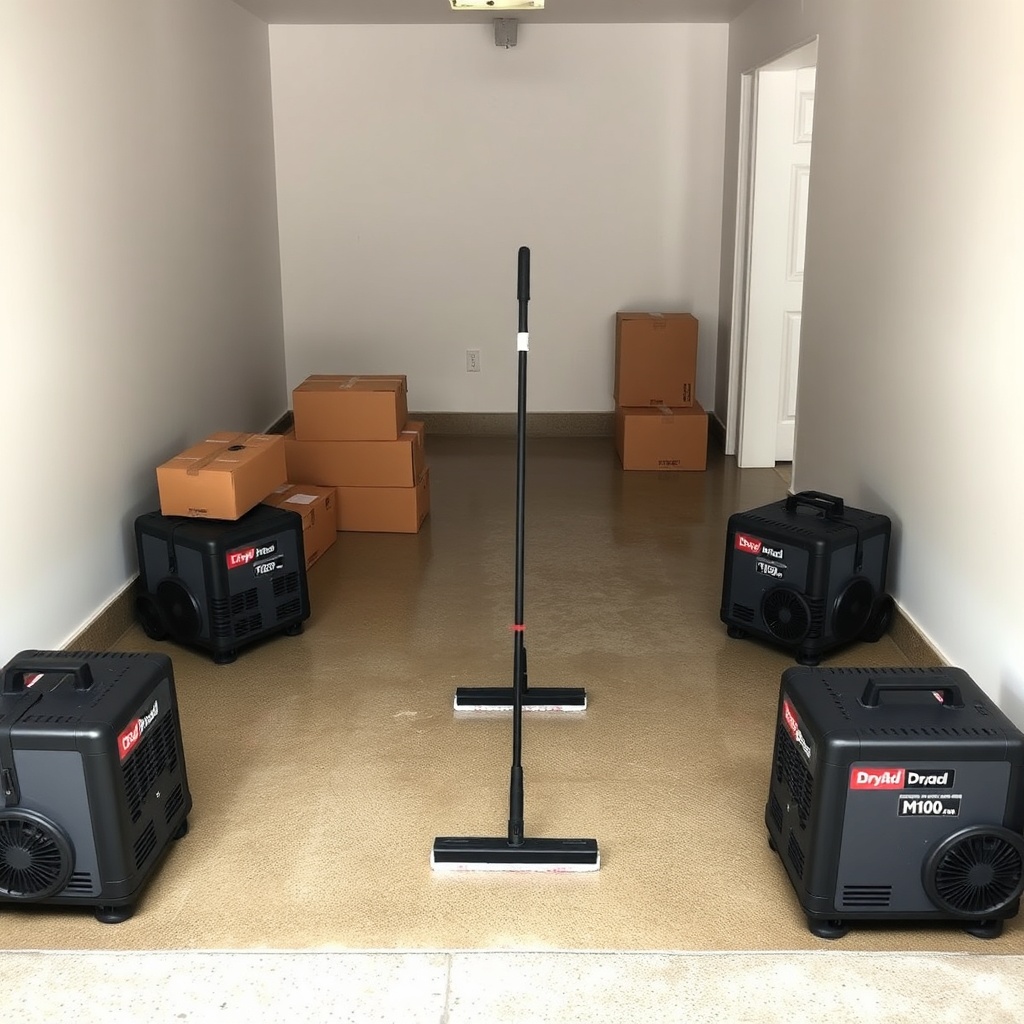
Can the M120 Pro Handle the Unique Challenges of Storm Water (Sediment and Debris)?
Floodwater often carries silt, mud, and organic debris that can clog standard air movers. The DryAid M120 Pro features a removable, washable pre-filter positioned at the intake—a key design choice for storm recovery. Users can rinse the filter with a garden hose between drying sessions to prevent particulate buildup that would otherwise reduce CFM by 20–30% within hours. The motor housing is sealed with gaskets to keep dust and moisture out of the electrical compartment, reducing the risk of short circuits in humid environments. For cases where storm water is contaminated (Category 3 black water), the M120 Pro can be used in conjunction with antimicrobial fogging protocols; its high airflow helps distribute sanitizing agents more evenly across affected surfaces.
The unit’s 90° tilt is particularly useful for drying behind silt-laden baseboards that have been removed for access. One storm chaser reported using the M120 Pro to dry out a mud-packed crawlspace in Florida: “We tilted them to point at the floor joists and ran them for 36 hours. The combination of air movement and dehumidification got the moisture content from 28% down to 12%.” For leak detection and drying, the DryAid M120 Pro: A Key Tool for Leak Detection and Drying? details how the air mover helps reveal hidden moisture sources through rapid evaporation patterns.
Frequently Asked Questions
Is the DryAid M120 Pro air mover loud enough to disturb sleep during overnight drying?
At 84 dB on high speed, it is comparable to a vacuum cleaner or city traffic from 50 feet. For overnight drying in residential settings, many users run the M120 Pro on low speed (72 dB, similar to a conversation) to reduce noise while still maintaining adequate airflow. Earplugs or relocating the unit to an unoccupied room are common strategies.
Can the M120 Pro be used outdoors after a storm?
Yes, but with caution. The unit is rated for indoor use only, but in covered outdoor areas (e.g., porches, patios) it can be used temporarily if protected from direct rain. Prolonged exposure to water jets or standing water will void the warranty. For outdoor drying of flood-soaked furniture, place a canopy overhead.
How many M120 Pro units do I need for a flooded basement?
For a standard 500 sq ft basement with inch-deep water, restoration pros recommend 3 to 4 units placed at opposite corners to create circular airflow. For every additional 200 sq ft, add one more mover. Pair with a dehumidifier rated for 70+ pints per day for best results.
Does the M120 Pro come with a cord storage feature?
No integrated cord wrap is included, but the unit has a molded handle that can be used to wrap the cord loosely. Many users purchase a separate cord organizer or simply coil the cord inside the storage compartment of their restoration kit.
What is the warranty process if the motor fails during a storm job?
DryAid offers a 3-year limited warranty on the motor and a 1-year warranty on parts. To file a claim, contact their customer service with proof of purchase and a description of the issue. Standard response time is 2–5 business days. Expedited shipping is available for a fee.
Can the M120 Pro be used to dry carpet padding without removing it?
Yes, but only if the padding is not delaminated or heavily contaminated. Use the 90° tilt to direct airflow under the carpet edge, and lift the carpet slightly with spacers. For best results, remove the padding if water is from a Category 2 or 3 source, as bacteria can still thrive.