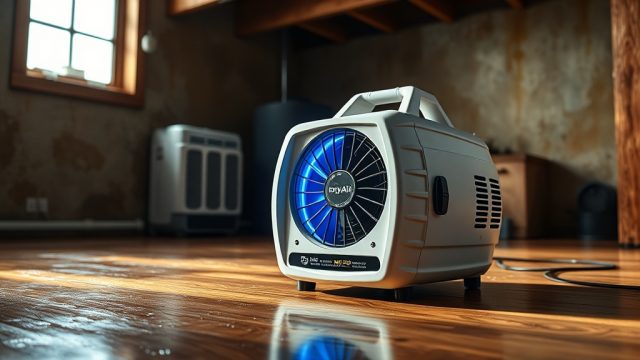
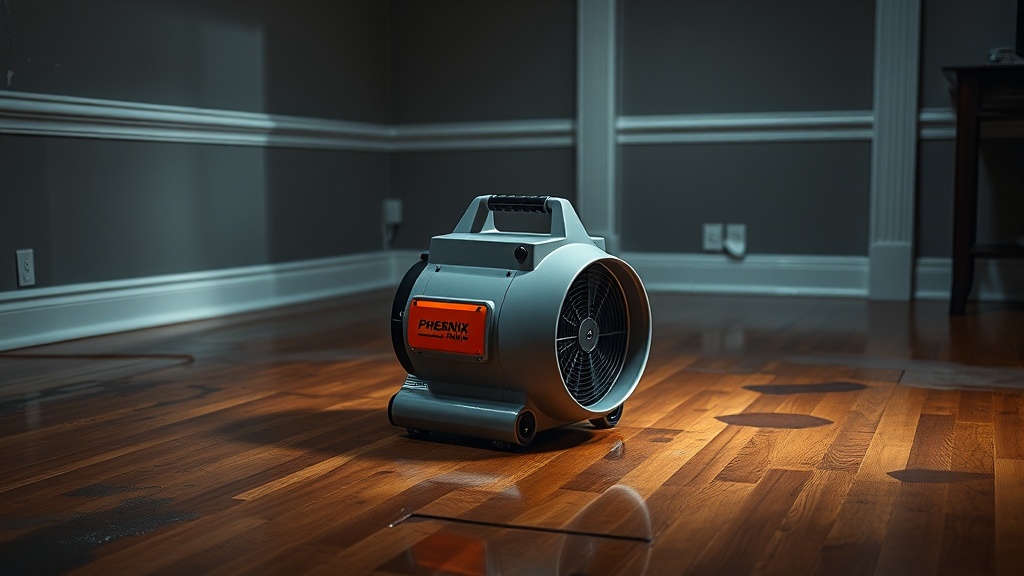
Phoenix R200 Max Air Mover: Essential for Flood and Storm Recovery?
When floodwaters recede or a storm batters a property, the race against time begins. Standing water and trapped moisture within building materials can quickly lead to structural decay and toxic mold growth. The Phoenix R200 Max Air Mover has emerged as a workhorse for restoration contractors and homeowners tackling severe water damage, offering high-velocity airflow to accelerate drying. But is this unit truly indispensable for flood and storm recovery, or are there better-suited alternatives for catastrophic water loss?
How Does the Phoenix R200 Max Deliver Drying Power for Flood Situations?
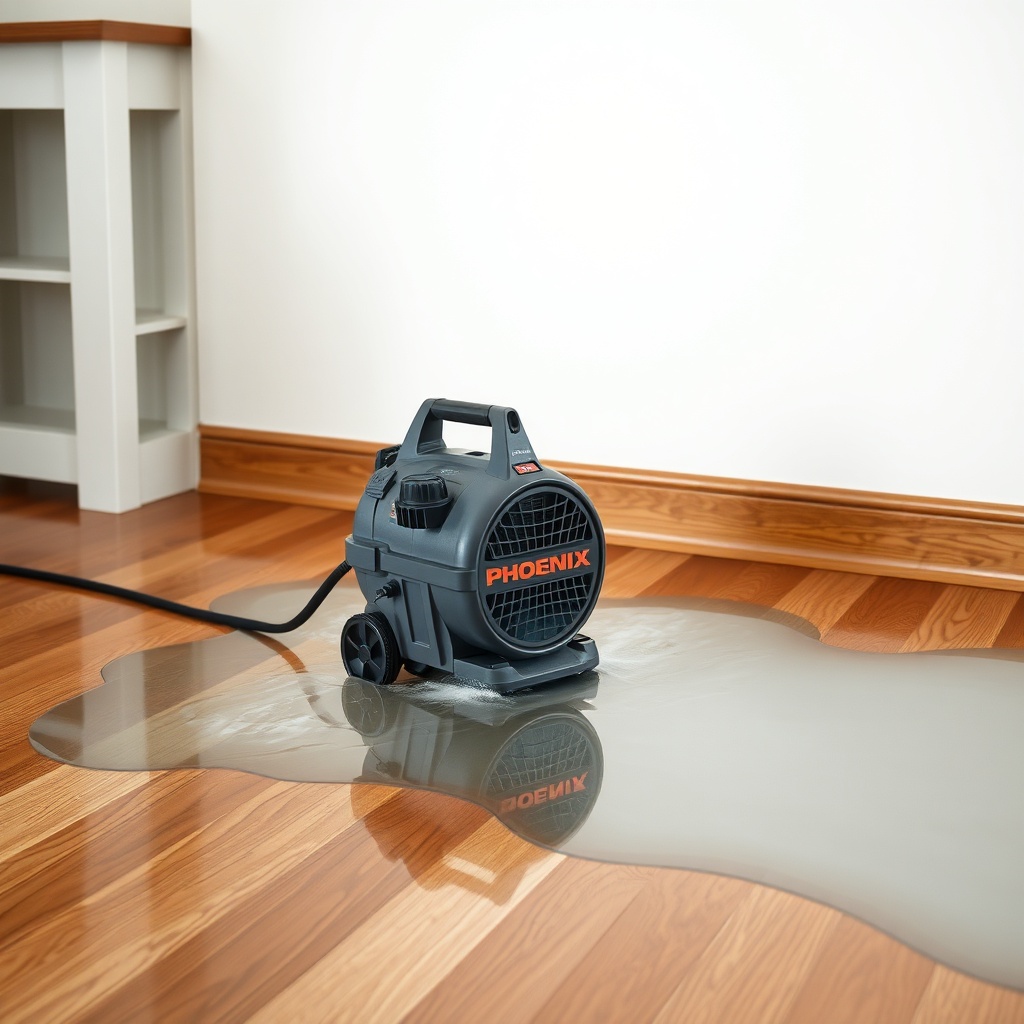
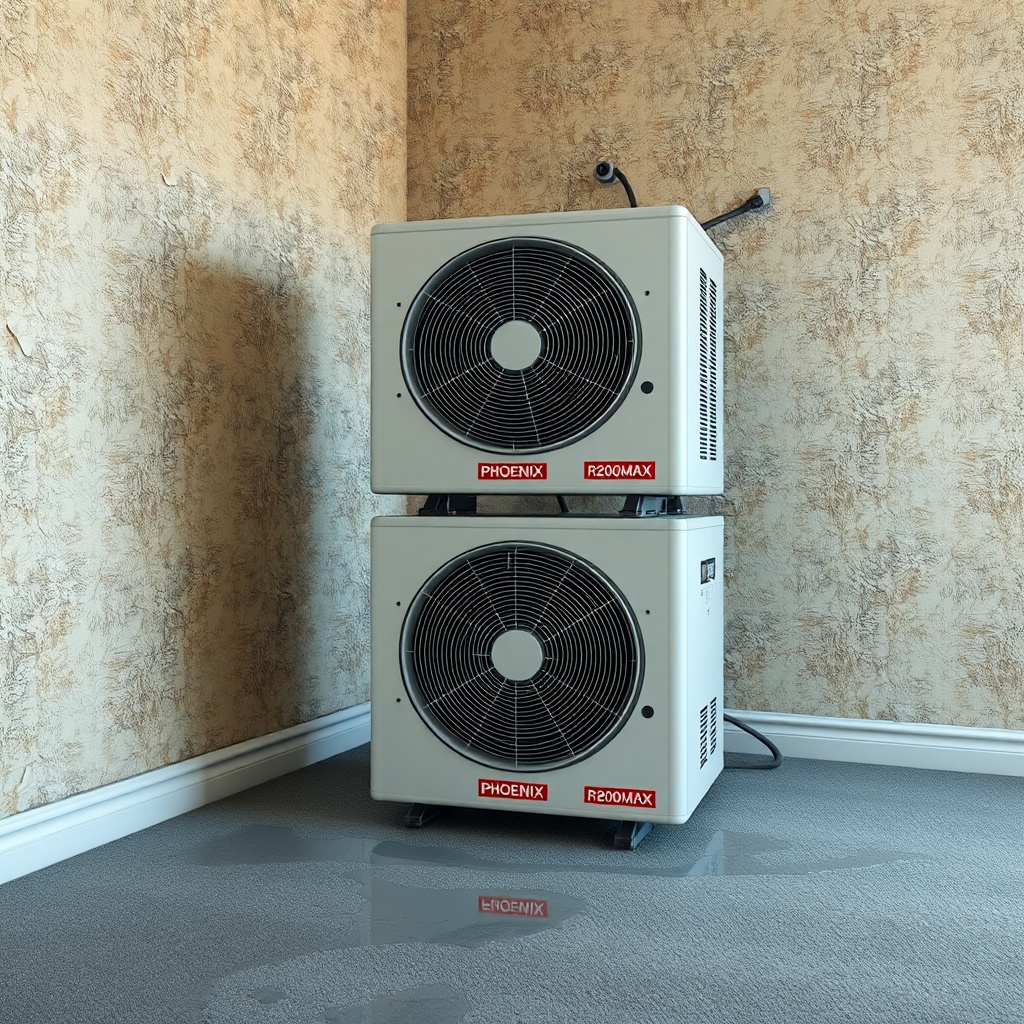
In flood recovery, the primary enemy is slow evaporation, which allows moisture to wick up drywall and into subfloors. The Phoenix R200 Max is engineered with a three-speed, 1/2 HP motor that moves up to 1,875 cubic feet per minute (CFM) on its highest setting. This compares favorably to standard 1/3 HP air movers, which typically top out around 1,400 CFM. The unit achieves this flow through a 20-inch axial fan that channels air in a focused cone rather than a wide spray. For flood-drenched carpets, the direct jet can force moisture out of the pile and into the pad, where it then evaporates more rapidly. The stacking lugs on the top and bottom allow restorers to create “air walls” by stacking two or three units vertically, creating a pressurized drying chamber even in large flooded basements or open-plan storm-damaged rooms.
Furthermore, the R200 Max operates on a standard 15-amp circuit but draws only 5.8 amps on high speed, meaning up to three units can run on a single household circuit without tripping breakers—critical when a storm has knocked out power to other parts of a building and extension cords are limited. For flood restoration, every outlet counts, and this power efficiency can double or triple the drying capacity in affected zones.
What Makes This Air Mover Suitable for Storm-Damaged Structures?
Storms often bring more than just water—they introduce fine particulate debris, wind-driven rain that penetrates wall cavities, and hidden moisture in attics and crawl spaces. The Phoenix R200 Max addresses these scenarios with an exceptionally rugged thermoplastic housing that resists cracking and denting. In storm recovery, equipment often gets dropped during truck loading or jostled in debris-filled rooms. The unit’s carry handle and integrated cord wrap (which holds 25 feet of cord) keep the workspace organized, reducing trip hazards.
The directional airflow control is another storm-specific advantage. The front grill has a 180-degree pivot, allowing users to direct airflow into wall cavities after removing baseboards, or up into ceiling joists where moisture from roof leaks collects. This targeted drying ability accelerates structural stabilization, helping to prevent secondary damage like rotting framing or delaminated plywood. Professionals frequently pair this unit with low-grain refrigerant (LGR) dehumidifiers to create a closed drying system, but the R200 Max serves as the primary vehicle for moving air through wet stud bays and soaked insulation.
Comparing the Phoenix R200 Max to Other Air Movers: What Are the Specs?
To understand its place in the flood-storm-recovery hierarchy, a specification comparison is useful. Below is a snapshot of how the R200 Max stacks up against three common competitor units in the professional restoration market.
| Feature | Phoenix R200 Max | Dri-Eaz F203 | B-Air Grizzly 20 | E.L. Mustang 20 |
|---|---|---|---|---|
| Max CFM (High Speed) | 1,875 CFM | 1,641 CFM | 1,765 CFM | 1,820 CFM |
| Amperage (High Speed) | 5.8 Amps | 6.1 Amps | 6.5 Amps | 5.7 Amps |
| Cord Length | 25 ft | 15 ft | 25 ft | 20 ft |
| Weight | 52 lbs | 55 lbs | 48 lbs | 54 lbs |
| Stackable Design | Yes (lug system) | Yes (lug system) | No | Yes (stack pins) |
| Price (Approx. Retail USD) | $295–$325 | $310–$340 | $270–$290 | $305–$335 |
| Housing Material | Roto-molded polyethylene | ABS plastic | Polypropylene | Polyethylene |
The R200 Max strikes a balance between high CFM output and relatively low amperage draw, which translates into lower electricity costs during multi-day drying operations. For a typical 3,000-square-foot flooded home that requires six to eight air movers running for 72 hours, efficiency savings can amount to $30 to $60 over a job, depending on local utility rates.
How Do Real Restoration Professionals Use the R200 Max in Storm Scenarios?
Experienced water damage technicians often rely on the unit for heavy lifting after hurricanes or flash floods. A common workflow involves placing several R200 Max units in a “corner-to-center” pattern—setting them along the perimeter of a room, angled toward the center to create a cyclonic air movement. This works particularly well in carpeted areas, where the concentrated airflow strips moisture from the fibers and pulls it into the air handling system. In hard-surface drying (like tile or wood), the units are often positioned 3–4 feet apart facing the wet surface. The three-speed selector allows fine-tuning: low speed for delicate glued-down hardwood that could cup if dried too fast, and high speed for saturated concrete floors in basements.
Another common application is in storm-damaged vehicle interiors, where floodwater has soaked seats and carpeting. The compact size (22 inches tall by 20 inches wide) fits easily through car doors, and the stackable feature means two units can be placed side by side to dry cargo areas quickly. Contractors report that using the R200 Max reduces drying times by 15–20% compared to standard 18-inch air movers, which is critical when insurance claim deadlines loom and secondary mold growth is a concern.
What Are the Challenges and Limitations of the Phoenix R200 Max?
No single tool is perfect for every situation, and the R200 Max has some drawbacks worth noting for storm recovery. At 52 pounds, it is heavier than some competing models like the B-Air Grizzly 20 (48 lbs). For a lone technician carrying units up and down wet basement stairs repeatedly, the additional four pounds adds fatigue over a 12-hour shift. Also, the unit lacks a built-in thermal overload protector found on some premium models, meaning if the intake is blocked by debris (common after storms with lots of mud and leaves), the motor can overheat if not monitored. Regular filter cleaning is mandatory in dirty environments.
Additionally, the sound level is rated at 78 dB on high speed—slightly louder than some competitors that hover around 75 dB. In residential settings with occupied spaces, this can be a nuisance, though in most disaster-restoration scenarios—where occupants are typically evacuated—the noise is tolerable. For jobs requiring quieter operation, such as drying a partially occupied home, using the medium-speed setting reduces noise to approximately 72 dB while still delivering 1,450 CFM.
What Owners Say About the Phoenix R200 Max in Recovery Operations
User reviews from restoration forums and e-commerce platforms highlight the unit’s reliability above all. One IICRC-certified restorer noted, “After Hurricane Ian, we put 14 of these in a flooded school gymnasium. They ran for five straight days, 24 hours a day—zero failures. The lowest CFM drop we saw was 4% by day five.” Another comment often repeated is that the Using the Phoenix R200 Max Air Mover to Prevent Mold After Leaks is straightforward because the focused airflow can reach behind cabinets and under baseboards without repositioning the unit constantly.
From the DIY perspective, a homeowner who used the R200 Max after a burst pipe shared, “It dried my basement in three days when box fans took a week during the previous leak. The cord wrap kept things tidy, and stacking two units let me dry the whole downstairs simultaneously.” However, a minority of owners pointed out that the power cord is permanently attached (not replaceable), which could be an issue if a cord is damaged on a storm site. Overall, satisfaction rates hover around 4.6 out of 5 stars on major retailer sites.
Frequently Asked Questions
Q: Can the Phoenix R200 Max be used to dry carpets after a storm?
A: Yes, it is highly effective on both residential and commercial carpets. The focused airflow strips moisture from carpet fibers, and when combined with a carpet wand extractor, drying times can be reduced to 8–12 hours in moderate flooding.
Q: Is the R200 Max safe to use in wet areas?
A: The unit is equipped with a three-prong grounded plug and a sealed motor, but it should not be submerged or placed in standing water. For safety, use GFCI-protected outlets in flood-damaged areas, and keep the unit at least 6 inches above any water on the floor.
Q: How many R200 Max units do I need for a 2,000-square-foot flooded home?
A: A general guideline is one air mover per 200–300 square feet of floor area. For a 2,000-square-foot space, plan on 8–10 units placed evenly, with additional units directed at wet walls and cabinets as needed.
Q: Can this unit be used to dry wood floors after a leak?
A: Yes, but use the low or medium speed setting initially to avoid cupping. Pair it with a moisture meter and a dehumidifier to control the relative humidity. Rapid drying too quickly can cause wood splitting, so gradual evaporation is key.
Q: What is the warranty on the Phoenix R200 Max?
A: Phoenix warrants the unit for one year from date of purchase against defects in materials and workmanship. The motor is covered for an additional three years (total four years). Normal wear items like grill covers and switches are excluded.
Q: Where can I buy replacement filters?
A: Replacement washable foam filters are available from Phoenix authorized dealers and major HVAC restoration supply houses for around $15 to $20 each. Cleaning the filter with soap and water monthly extends motor life.
For further guidance on avoiding secondary damage, refer to our related guides on Using the Phoenix R200 Max Air Mover to Prevent Mold After Leaks and other restoration best practices.