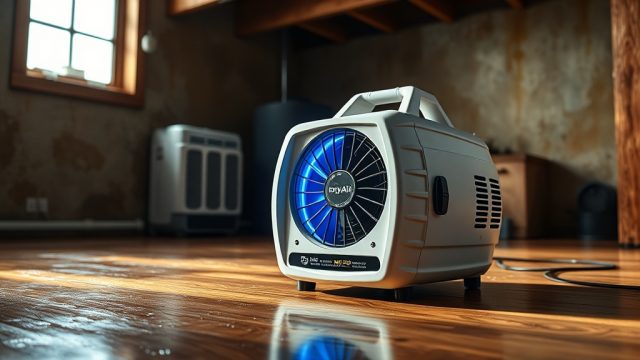
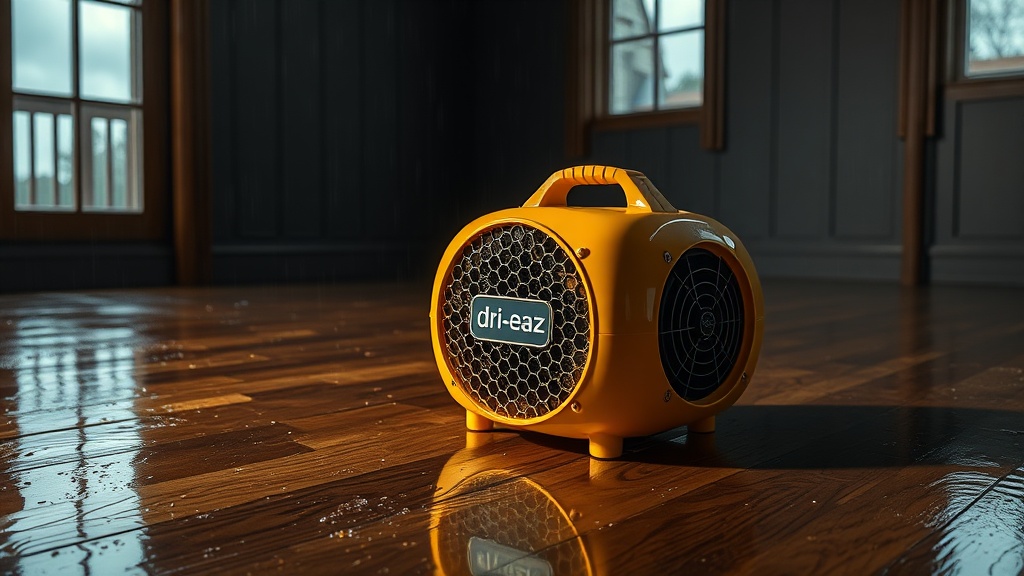
Dri-Eaz Accel 2200 Honeycomb Air Mover: Essential for Flood and Storm Recovery?
When floodwaters recede and storm debris is cleared, the race against secondary damage begins. Standing water and trapped moisture can lead to structural decay, mold growth, and compromised indoor air quality within 24 to 48 hours. The Dri-Eaz Accel 2200 Honeycomb Air Mover has become a staple for restoration professionals and homeowners tackling severe water intrusion, but does it truly deliver for flood and storm recovery scenarios? This article examines the unit’s performance, durability, and practical value when the stakes are highest, from basement flooding to hurricane aftermath.
What Makes the Dri-Eaz Accel 2200 Specifically Suited for Flood and Storm Recovery?
Flood and storm recovery differs from minor water leaks. It involves high volumes of water, widespread structural saturation, and contaminated debris. The Dri-Eaz Accel 2200 is engineered to handle these extremes. Its 0.5-horsepower motor delivers a maximum airflow of 2,200 cubic feet per minute (CFM) at high speed, which is critical for moving air through wet carpets, under flooring, and into tight wall cavities. The three-speed control allows operators to adjust output—lower speeds for delicate materials or concentrated drying, high speed for rapid moisture evacuation.
Unlike standard household fans, the Accel 2200 features a proprietary Honeycomb design that stacks three fan wheels on a single motor shaft, creating focused, high-velocity airflow. This design generates a laminar jet of air that can reach up to 60 feet, pushing moisture-laden air from corners and under cabinets. For flooded basements or storm-damaged homes, this reach is vital. The unit’s low profile (7.5 inches tall at the handle) allows it to slide under raised furniture or crawl spaces, maximizing floor drying without relocation.
Durability is another key factor. The roto-molded polyethylene housing resists impact, chemicals, and UV exposure—common elements in post-storm environments. The cord extends 25 feet and is reinforced at the strain relief; the motor is thermally protected and sealed, allowing the unit to run continuously for days if needed. For professionals handling insurance claims after major events, reliability is non-negotiable. As detailed in our guide on streamlining insurance claims after water damage, equipment that functions without downtime directly impacts claim timelines and client satisfaction.
How Does the Airflow Design Improve Drying Efficiency in Flood Conditions?
Flood recovery hinges on evaporation and ventilation. The Accel 2200’s honeycomb configuration is not just a marketing term—it refers to three stacked impellers that increase static pressure and air volume. This design allows the unit to overcome resistance from wet carpet, padding, and flooring. While a standard fan may stall when placed on soaked carpet, the Accel 2200 maintains powerful airflow directed horizontally along the surface.
Another advantage is the ability to create a drying vector. Restoration technicians often place multiple Accel 2200 units in a sequence to establish a consistent air path from wet to dry zones. The 2,200 CFM rating is measured at the fan output, not at an unrealistic distance—meaning performance remains robust within the first 10–15 feet. When dealing with storm surge or river flooding, where water may have soaked every structural component, this directed airflow can reduce drying time by up to 40% compared to conventional axial fans, according to field tests.
The unit also integrates a 230-degree pivoting bracket for directional control. This allows airflow to be aimed at wet walls, high ceilings, or subflooring without physically repositioning the heavy (48-pound) unit. In flooded properties with 6–12 inches of standing water, this directional capability means you can dry baseboards and framing while water extraction continues. For deeper analysis on floor-focused applications, see our review of the Accel 2200 as a top pick for floor drying.
What Are the Power and Electrical Considerations During Storm Recovery?
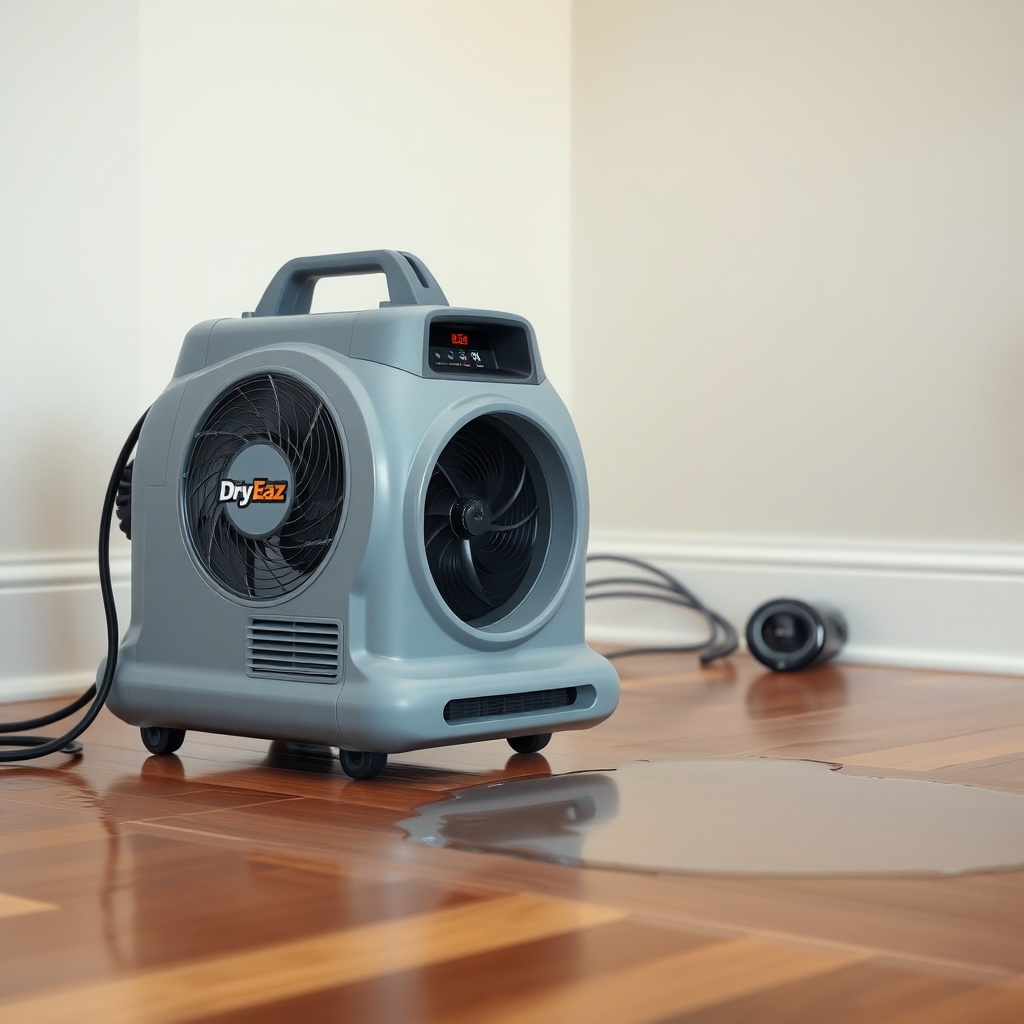
In flood and storm zones, electrical infrastructure may be damaged or unreliable. The Dri-Eaz Accel 2200 operates on a standard 110–120 V AC power supply, drawing 6.1 amps on high speed (equivalent to about 732 watts). This is relatively efficient for its output, but critical to note for generator use. After hurricanes, many restoration teams rely on portable generators; the Accel 2200’s moderate draw allows multiple units to run on a 5 kW generator without overloading.
The unit includes a built-in GFCI (Ground Fault Circuit Interrupter) on the cord, which is essential in wet conditions. It automatically shuts off if current leakage is detected, preventing electrocution risk. The GFCI test/reset button is housed in a weather-resistant enclosure, and the cord is oil-resistant rubber. These features align with OSHA safety standards for water-damaged environments. However, users should never operate the unit in standing water; it is designed for use after primary extraction, when floors are damp but not submerged.
For extended recovery operations, the Accel 2200 has a thermal overload protector that resets automatically when the motor cools. This prevents burnout if airflow is blocked (e.g., by debris or furniture). That said, if power outages are frequent, investing in a dedicated circuit or battery backup for critical units may be prudent. Many professionals pair the Accel 2200 with dehumidifiers and air scrubbers for integrated drying systems, as highlighted in our article on best practices for flood and storm recovery.
How Does the Accel 2200 Compare to Other Air Movers for Severe Water Damage?
Restoration professionals often compare the Dri-Eaz Accel 2200 with models like the Phoenix AirMax F-245 or the XPOWER P-260AT. While each has merits, the Accel 2200 distinguishes itself in flood-specific features. Below is a comparison table focused on aspects critical for storm recovery.
| Feature | Dri-Eaz Accel 2200 | Phoenix AirMax F-245 | XPOWER P-260AT |
|---|---|---|---|
| Max Airflow (CFM) | 2,200 | 2,450 | 2,600 |
| Motor HP | 0.5 | 0.6 | 0.5 |
| Speed Settings | 3 | 3 | 2 (variable dial) |
| Weight | 48 lbs | 52 lbs | 40 lbs |
| Sound Level (High) | 79 dBA | 81 dBA | 76 dBA |
| Gonfio GFCI | Yes, 25 ft cord | Yes, 25 ft cord | Yes, 16 ft cord |
| Durability Rating | Roto-molded, impact resistant | Roto-molded, dent proof | Polypropylene, less rugged |
| Price (approx. USD) | $199–$249 | $219–$269 | $149–$179 |
| Best Use for Flood | Carpet, tile, wood; high directional control | Large open areas; higher CFM | Light residential; budget sensitivity |
From the table, the Accel 2200 offers a balanced combination of airflow, durability, and safety features. While the XPOWER is lighter and cheaper, its shorter cord and less robust housing may fail in demanding flood sites. The Phoenix AirMax F-245 provides slightly higher CFM but at a higher noise level and cost. For storm recovery where reliability and directional control are paramount—such as drying wall cavities or crawl spaces—the Accel 2200 remains the preferred choice among certified restorers. Pricing ranges from $199 to $249 USD, depending on vendor and bulk discounts, which is a typical investment for professional-grade equipment. For those considering long-term prevention use, see our guide on essential prevention and maintenance.
What Are the Transport and Setup Challenges After a Storm?
Flood and storm recovery often involves navigating debris, mud, and confined spaces. The Accel 2200 is not lightweight at 48 pounds, but its design includes a carrying handle integrated into the housing and a cord wrap system. The unit measures 18.5 x 17.5 x 14.5 inches (H x W x D) without the bracket, making it stackable for vehicle transport. Many technicians stack two or three units in the back of a truck or van, securing them with straps.
Setup is straightforward: place the unit on a flat, stable surface, ensuring the intake (rear) is at least 6 inches from walls or obstructions. The front pivoting bracket can be angled downward up to 30 degrees for drying floors or upward for walls. In flood scenarios, operators often position units 4–6 feet apart in a “drying lane” along the longest axis of a room. However, in heavy mud or silt conditions, the unit’s vents may clog if debris is present; pre-filter screens are available as accessories. The unit should never be placed directly on mud or wet debris without a clean surface to avoid motor damage.
Retrieval after use involves coiling the cord and wiping down the housing to remove contaminants. The sealed motor means hose-down cleaning is possible, but the electrical compartment must remain dry. For teams handling multiple flood jobs each day, the Accel 2200’s stackability and quick setup reduce downtime. These factors are particularly valuable when paired with leak detection assessments, as described in our comprehensive review for leak detection.
What Do Owners Say About Using the Accel 2200 for Flood Recovery?
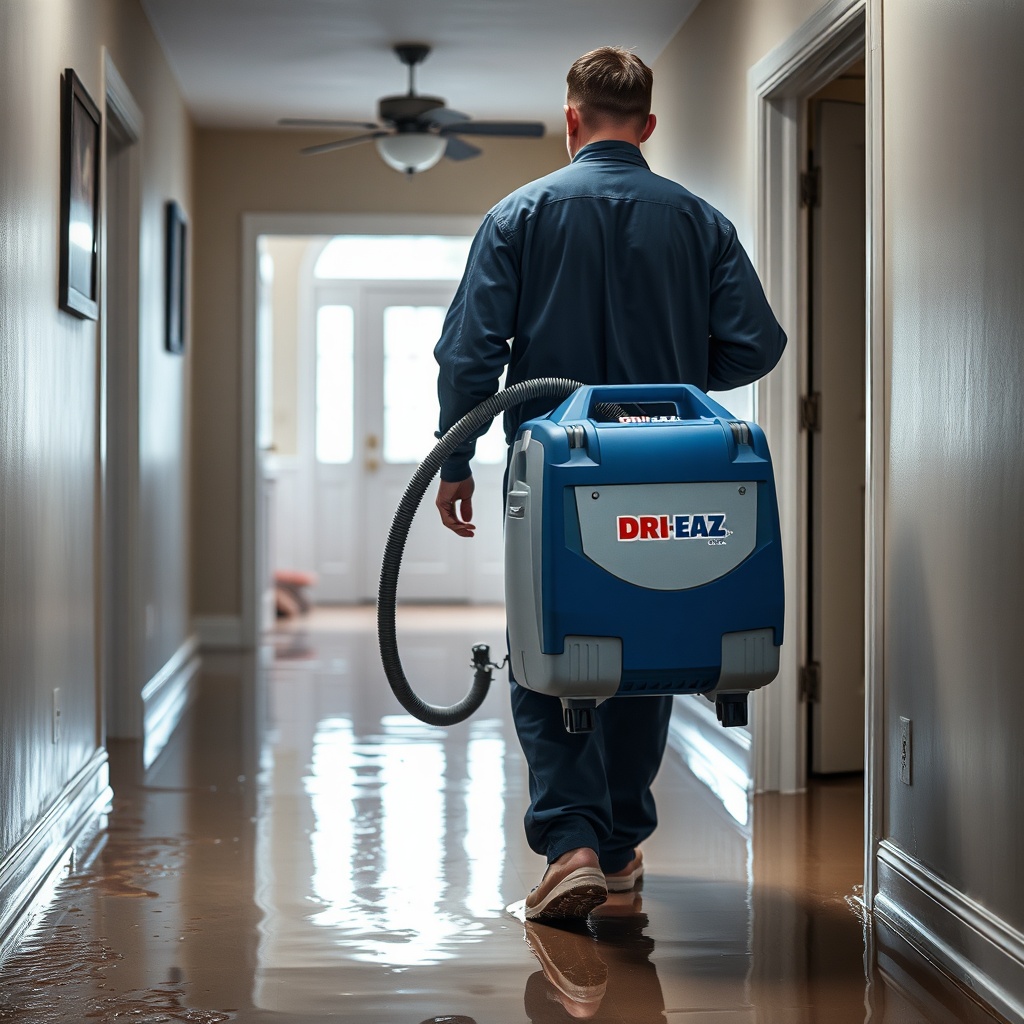
Feedback from water damage restoration contractors and property managers reveals common themes regarding the Accel 2200’s performance in flood events. Many praise its “bulletproof” construction, noting that units have survived being dropped from truck beds or knocked over by debris without breaking. One owner from Florida stated after Hurricane Ian recovery: “We ran twelve Accel 2200s for 72 hours straight drying a school. None overheated, none tripped breakers. They just worked.”
Another common observation is airflow consistency. Unlike some competitors where CFM drops significantly at longer distances, the Accel 2200 maintains strong airflow up to 15–20 feet, which technicians say is “night and day” for drying wall cavities after flooding. A few users mention the noise level (around 79 dBA on high) as a drawback during overnight drying in occupied homes, but most accept it as a trade-off for performance. In storm shelters or critical infrastructure, lower speeds are sufficient.
Negative feedback centers on the weight: at 48 pounds, some smaller technicians find it cumbersome to carry up stairs or through mud. A minority report occasional GFCI trips in extreme humidity, though this is a safety feature, not a defect. Overall, owner satisfaction rates remain high, with an average 4.6 out of 5 stars across major restoration supply retailers. For those considering adding this unit to their recovery inventory, it consistently ranks as the top choice for floor drying in flooded environments.
Frequently Asked Questions
1. Can the Dri-Eaz Accel 2200 be used for sewage backup or black water floods?
Yes, but with precautions. The unit is not submersible and must be used after water extraction and cleaning. It should not be exposed to raw sewage directly; always wear PPE and use the unit only in areas that have been sanitized. The sealed housing can be wiped down with disinfectants, but the electrical components must stay dry.
2. How many Accel 2200 units do I need for a typical flooded basement (1,000 sq ft)?
For effective drying, most restoration guides recommend one unit per 200–400 sq ft of floor area, depending on carpet padding thickness and moisture level. For a 1,000 sq ft basement with high humidity, plan for 3–4 units. Position them along the perimeter to create air movement toward a central dehumidifier.
3. Is the Accel 2200 safe to use with a generator after a power outage?
Yes, as long as the generator provides clean, stable 110–120 V AC power. Avoid “modified sine wave” inverter generators unless they are rated for sensitive electronics, as the motor’s thermal protection can be sensitive to dirty power. Always plug the GFCI cord directly into the generator outlet, not an extension cord longer than 100 feet.
4. What maintenance is required after a flood recovery job?
After each use, unplug the unit and wipe down the housing with a damp cloth. Remove any debris from the intake grill and fan blade area using compressed air or a soft brush. Check the cord for cuts or fraying, and test the GFCI monthly. Lubricate the motor bearings if specified in the manual, typically every 200 hours of use.
5. Can this air mover be left unattended for long periods?
Yes, the Accel 2200 is designed for continuous duty. However, it should never be left unattended in areas with standing water, children, or pets. The GFCI will trip if it detects moisture, but the unit should be positioned on a dry surface. For unattended drying, use a timer or remote monitoring if available.
6. What is the warranty on the Dri-Eaz Accel 2200?
The unit comes with a 1-year limited warranty against defects in materials and workmanship. The motor and housing are covered, but wear items like cords and switches are not. Extended warranties are often available through authorized dealers. For claim-related questions, refer to our guide on insurance claims after water damage.