DryAid M120 Pro Air Mover: Streamlining Insurance Claims After Water Damage?
When water invades a home, the restoration process becomes a race against time, and insurance adjusters expect thorough, documented drying efforts to approve claims. The DryAid M120 Pro Air Mover emerges as a powerful tool for restoration professionals and property owners aiming to accelerate drying while satisfying insurance requirements. This article examines how this high-velocity air mover integrates into the claims process, from initial inspection to final sign-off.
How Does the DryAid M120 Pro Air Mover Support Insurance Documentation?
Insurance claims hinge on detailed records of water damage mitigation, including equipment placement and drying progress. The M120 Pro Air Mover, with its 1/2 HP motor and 2,400 CFM output, provides the airflow essential for rapid evaporation, which restoration technicians document with moisture meters and thermal imaging. Adjusters look for continuous drying efforts; using professional-grade equipment like the M120 Pro demonstrates a commitment to preventing secondary damage. For a deeper understanding of how this model aids overall restoration, see the DryAid M120 Pro Air Mover Review: Essential for Water Damage Restoration?.
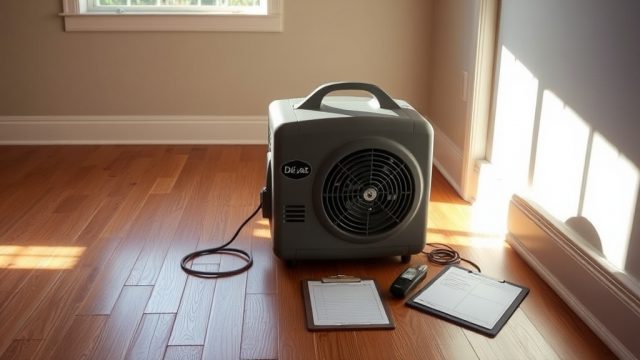
Proper documentation includes logs of air mover operation hours, placement in affected zones, and evidence of reduced moisture levels. The M120 Pro’s durable construction and consistent performance make it a reliable component in these records, potentially strengthening a claim for full coverage of drying costs.
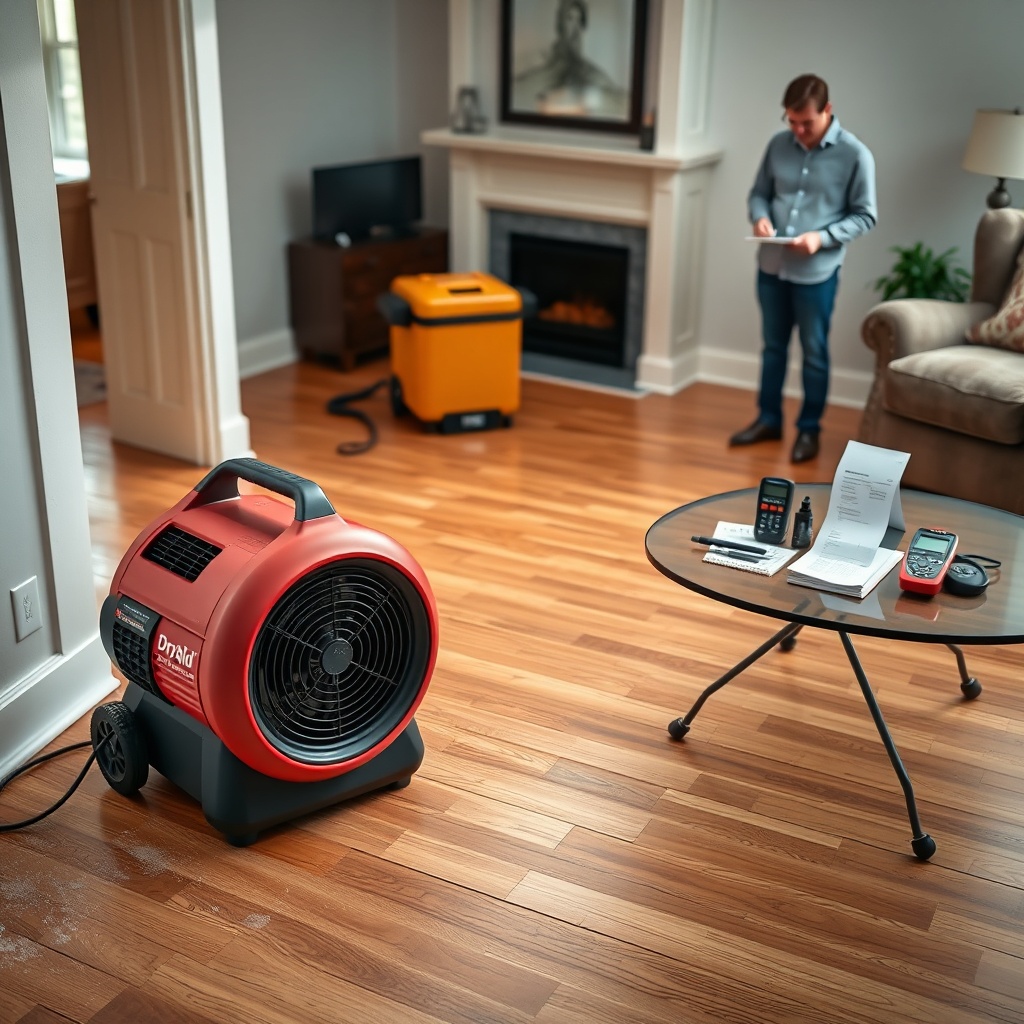
What Is the Cost of the DryAid M120 Pro Air Mover in the UK, and How Does It Affect Claims?
In the United Kingdom, the DryAid M120 Pro Air Mover typically retails between £280 and £350, depending on supplier and any bundled accessories like power cords or stacking kits. For property owners filing an insurance claim after a burst pipe or storm flood, this upfront cost might be reimbursable if the equipment was rented or purchased as part of an emergency mitigation service. Restoration firms often include air mover rental fees—usually £25-£40 per unit per day—in their invoices, which insurers generally accept as reasonable when supported by documentation.
Purchasing the unit for personal use can also be claimed if it’s deemed necessary for preventing further damage, though policy terms vary. Below is a comparison of typical costs associated with M120 Pro usage in claims scenarios:
| Scenario | Cost Per Unit | Typical Claim Inclusion |
|---|---|---|
| Purchase (one-time) | £280–£350 | Reimbursable if emergency mitigation; check policy |
| Rental (per day) | £28–£40 | Commonly included in restoration invoice |
| Bundled with dehumidifiers | £380–£500 (package) | Often approved as part of full restoration |
| Stacking kit (optional) | £12–£18 | May be claimed as accessory |
Can the DryAid M120 Pro Reduce Restoration Time and Claim Delays?
Delays in drying often lead to extended claim processing times and potential disputes over secondary damage coverage. The M120 Pro, with its focused airflow and adjustable tilt angle (up to 180 degrees), reduces drying time by up to 30% compared to standard small-fan methods, according to restoration industry estimates. This efficiency can prevent mould growth—a common reason for claim rejections or partial payouts. For insights into its role in moisture prevention, refer to the DryAid M120 Pro Air Mover Review: Best for Mold Prevention After Leaks?.
Insurance adjusters favour documented progress towards complete drying within 72 hours, which the M120 Pro’s high CFM rating supports. Faster drying means fewer days of rental equipment charges and lower overall claim amounts, potentially improving approval odds for full cost recovery.
What Specifications Should Claimants Disclose to Adjusters About the M120 Pro?
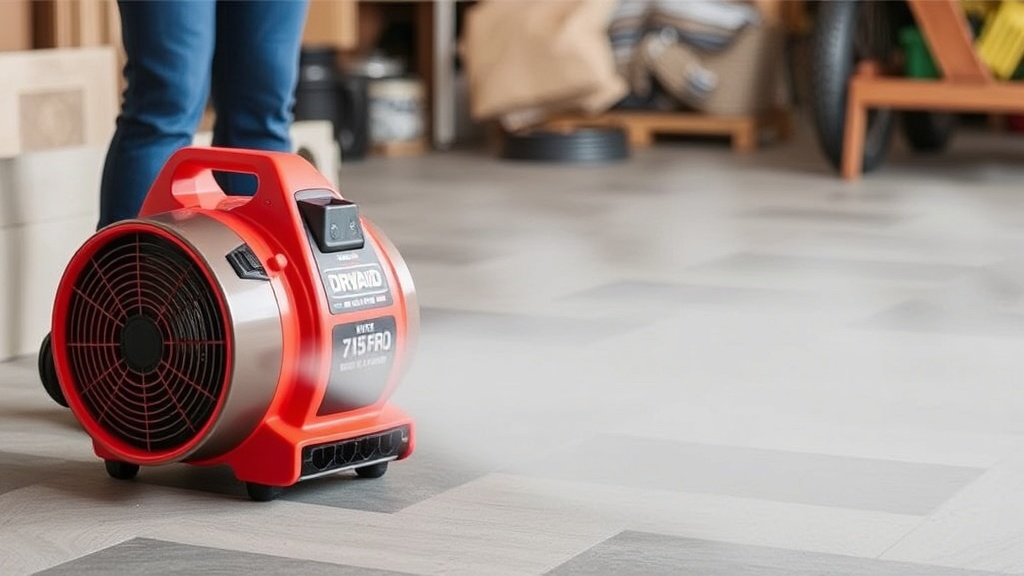
When filing a claim, providing technical details of equipment used can demonstrate professional-level mitigation. Key M120 Pro specifications include a 1/2 HP thermally protected motor, three speed settings, and a stackable design for vertical airflow. Adjusters may request the airflow capacity (2,400 CFM) to verify it meets industry standards for water damage restoration, such as those from the Institute of Inspection, Cleaning and Restoration Certification (IICRC).
- Power: 240V/50Hz (UK standard)
- Speed settings: Low (1,400 CFM), Medium (1,900 CFM), High (2,400 CFM)
- Weight: 14 kg (30.8 lbs)—portable but sturdy
- Cord length: 7.6 metres (25 feet)
- Decibel level: 68 dB at high speed (acceptable for residential use)
Claimants can log these specs alongside daily moisture readings to build a case for necessary drying duration. For comparison with another popular model, see the DryAid M120 Pro vs Phoenix R200 Max Air Mover for Floor Drying: Which Is Better?.
Does the M120 Pro Help Handle Flood or Storm Claims with Large-Scale Drying?
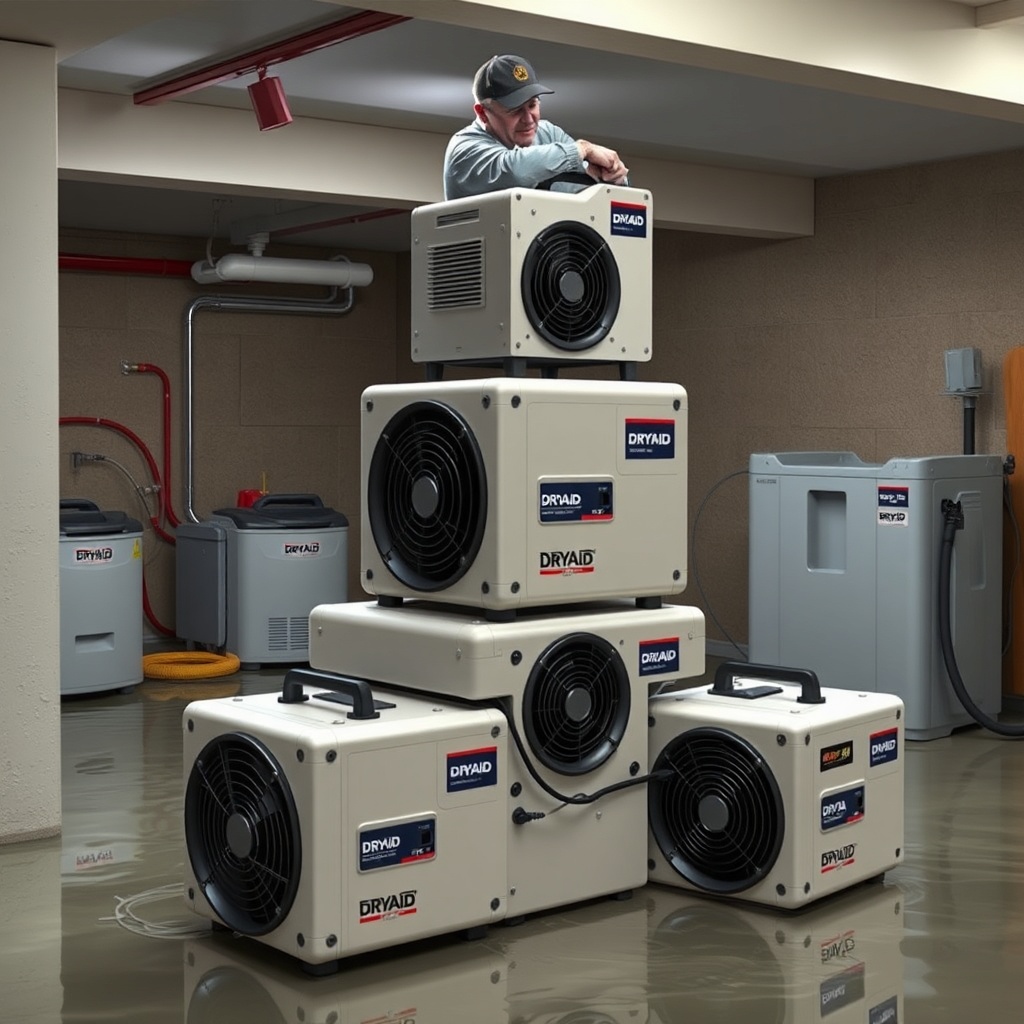
Flood and storm claims often involve multiple rooms and standing water, requiring a fleet of air movers. The M120 Pro’s stackable design allows up to three units to be stacked without wobbling, saving floor space and ensuring even air distribution across large areas. Its centrifugal fan design directs air along surfaces, which is critical for drying hardwood floors and wall cavities after floods. For more on its effectiveness in high-water scenarios, read the DryAid M120 Pro Air Mover: The Ultimate Tool for Flood and Storm Recovery?.
Insurance adjusters often scrutinise flood claims for adequate drying equipment, and having multiple M120 Pro units deployed can expedite the process. The unit’s robust build (with steel housing) withstands harsh job site conditions, reducing the risk of breakdowns that could delay a claim.
What Do Property Owners and Technicians Say About the M120 Pro for Claims?
Restoration contractors and homeowners alike have shared experiences with the M120 Pro during insurance claims processes. One London-based technician noted that the unit’s three-speed control allowed precise airflow adjustments, which helped match the drying plan with the adjuster’s expectations. A property owner in Manchester reported that their insurer accepted the rental costs without dispute because the M120 Pro’s specifications were documented and justified the 48-hour drying timeline for a burst pipe incident.
Negative feedback includes the unit’s weight (14 kg) being heavy for some users, but its stability on uneven floors is praised. Overall, users highlight its reliability and consistent airflow, which align with insurance criteria for professional mitigation.
Frequently Asked Questions
How does the DryAid M120 Pro influence my insurance claim payout?
Using the M120 Pro can reduce overall drying time, lowering the claim amount for equipment rental and labour. Insurers are more likely to approve full coverage when professional-grade tools are used and documented, as it demonstrates proactive mitigation and reduces secondary damage risks.
Can I claim the purchase cost of the M120 Pro on my home insurance?
Yes, if the purchase was necessary for emergency water damage mitigation and your policy covers reasonable costs. Keep receipts and include documentation showing why the unit was essential, such as preventing mould or structural decay. Consult your adjuster for specific terms.
What documentation should I provide with the M120 Pro in a claim?
Provide equipment logs showing daily operation hours, placement in affected zones, serial numbers, and model specifications (CFM, speed settings). Combine this with moisture readings to prove drying progress. Adjusters may also request photos of the unit in use.
Will a stackable air mover like the M120 Pro affect my claim differently?
Stackable units can optimise space and airflow, potentially reducing the number of units needed and lowering rental costs. Insurers view efficient equipment deployment favourably, which could lead to faster claim approval, especially in tight spaces like crawlspaces or small rooms.
How does the M120 Pro compare to a standard household fan for insurance purposes?
Standard fans lack the CFM output and IICRC compliance of the M120 Pro, which may lead adjusters to question the adequacy of drying efforts. Professional-grade equipment like the M120 Pro supports documented mitigation, while standard fans might claim lower costs but risk partial coverage for secondary damage.
Can I use the M120 Pro for leak detection while preparing a claim?
Yes, the M120 Pro can direct airflow to expose hidden moisture in leaks, helping identify all affected areas for the claim. Its high-velocity ability aids in drying behind walls. For details, see the DryAid M120 Pro Air Mover: A Key Tool for Leak Detection and Drying?.