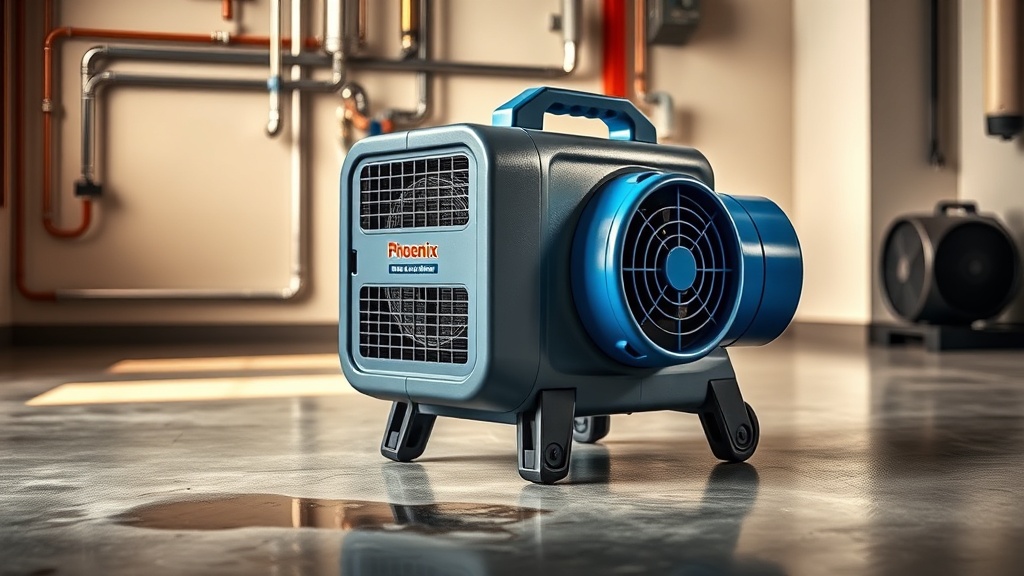
Understanding the Phoenix R200 Max Air Mover in the Context of Leak Detection
When water damage strikes, the ability to detect the source of a leak and dry the affected area efficiently can mean the difference between a minor repair and a major restoration project. The Phoenix R200 Max Air Mover has become a trusted piece of equipment among professionals, but how does it specifically aid in leak detection and drying? This article explores the features, performance, and practical applications of this air mover, focusing on its role in identifying hidden moisture and accelerating the drying process.
For property owners and restoration experts alike, understanding the capabilities of the Phoenix R200 Max is essential for effective water damage mitigation. From its high-velocity airflow to its energy-efficient design, this unit is engineered to address the challenges of drying after leaks, especially in plumbing-related scenarios.
How Does the Phoenix R200 Max Air Mover Enhance Leak Detection?
Leak detection is not just about finding the visible water stain; it involves locating hidden moisture that can cause structural damage and mold growth. The Phoenix R200 Max Air Mover contributes to this process indirectly but significantly. By accelerating evaporation, it helps expose moisture patterns that might otherwise go unnoticed.
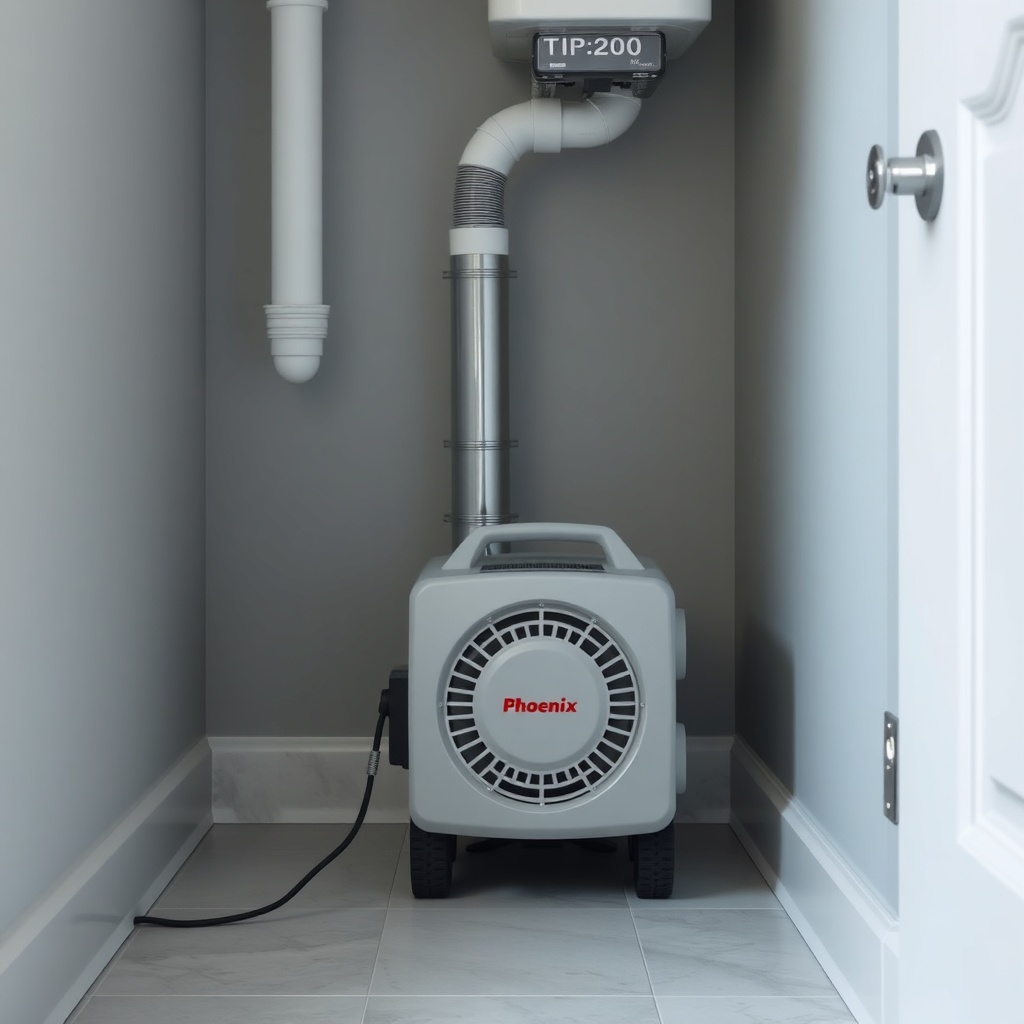
When a technician uses the air mover to dry a wet area, they can monitor the drying curve. If a particular spot remains damp longer than expected, it often indicates an ongoing leak source, such as a slow drip behind a wall or under a floor. The consistent airflow from the Phoenix R200 Max ensures that the technician can isolate these anomalies, leading to more accurate leak detection and drying strategies.
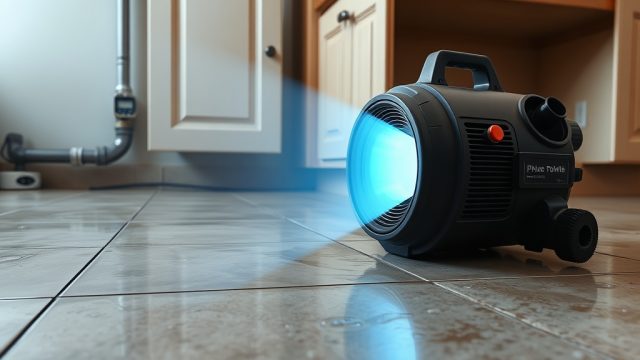
Additionally, the unit’s focused directional airflow allows operators to target specific zones, such as baseboards or cabinet toe kicks, where hidden plumbing leaks frequently occur. This targeted approach reduces the guesswork involved in moisture mapping.
What Makes the Phoenix R200 Max Air Mover Effective for Drying After Plumbing Leaks?
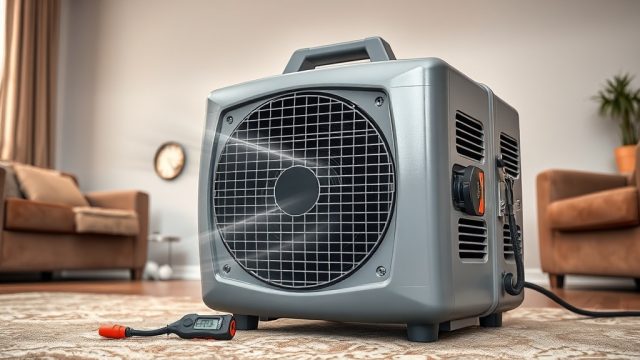
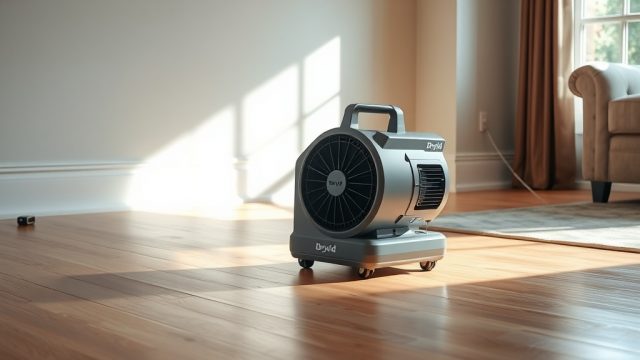
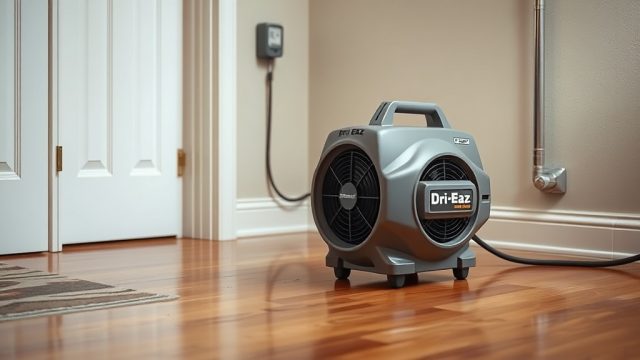
Plumbing leaks often involve low-velocity water that saturates porous materials like drywall, wood, and concrete. The Phoenix R200 Max Air Mover is designed to combat this with a powerful 1/2 HP motor that produces up to 1,200 CFM (cubic feet per minute) of airflow. This high air velocity promotes surface evaporation by moving moisture-laden air away from wet materials.
- Airflow Velocity: The unit achieves a high velocity that reaches into cracks and crevices where water settles.
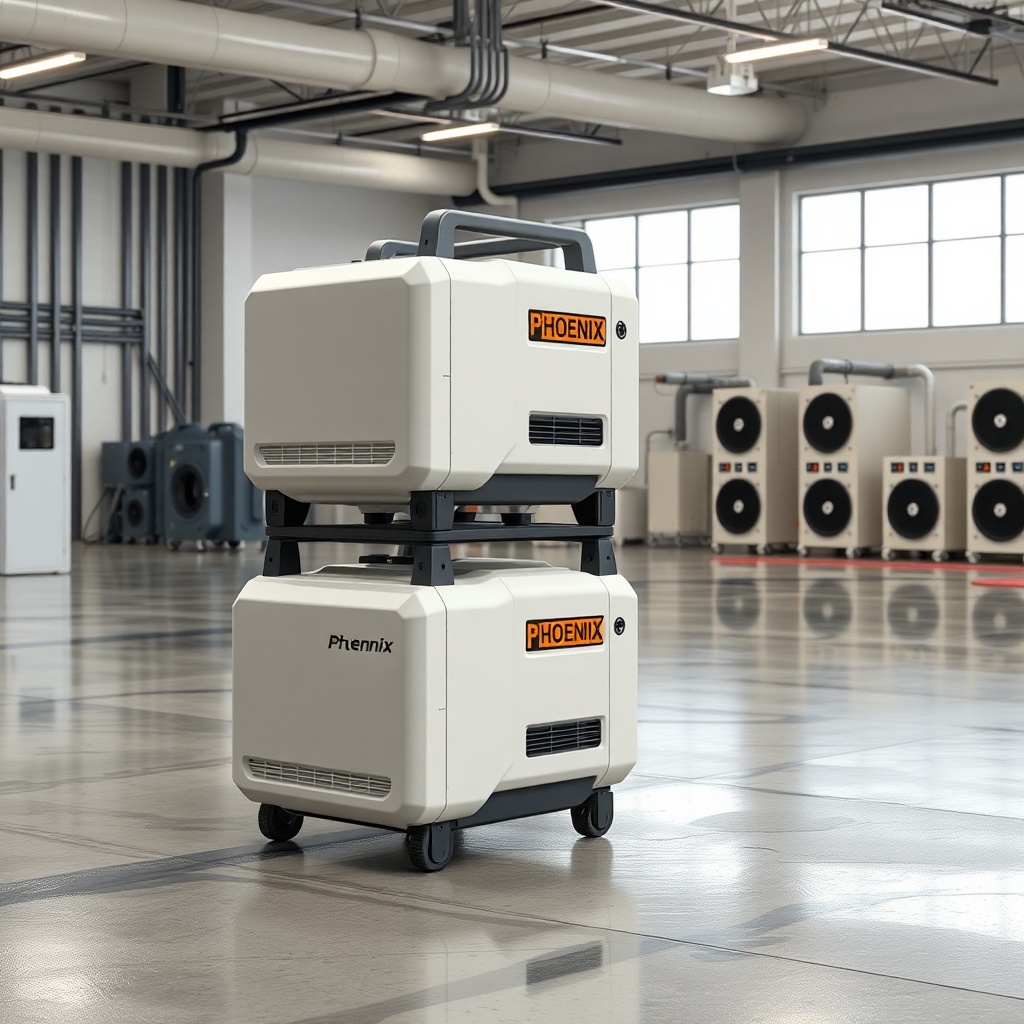
- Stackable Design: Multiple units can be stacked vertically to maximize floor space in tight areas like crawl spaces or bathrooms.
- Energy Efficiency: Consumes only 2.5 amps (120 volts), making it cost-effective for long-duration drying jobs.
- Noise Level: Operates at a moderate noise level, suitable for occupied residential settings.
These characteristics make it a preferred choice for drying after flood and storm recovery, as well as for routine plumbing repairs. The consistent performance ensures that drying times are reduced, minimizing secondary damage.
Key Specifications and Comparison: Phoenix R200 Max vs. Standard Air Movers
To understand the value of the Phoenix R200 Max, a side-by-side comparison with a standard air mover reveals its advantages. Below is a table of typical specifications.
| Feature | Phoenix R200 Max Air Mover | Standard Air Mover (e.g., 1/4 HP) |
|---|---|---|
| Motor Power | 1/2 HP | 1/4 HP |
| Max CFM | 1,200 CFM | 600-800 CFM |
| Amperage Draw | 2.5 Amps | 3.5-4.0 Amps |
| Speed Settings | 3 (Low, Medium, High) | 2 (Low, High) |
| Cord Length | 25 feet | 15-20 feet |
| Weight | 38 lbs | 30-35 lbs |
| Stackable | Yes (up to 4 units) | Often not stackable |
| Noise Level (High Speed) | ~75 dB | ~70-80 dB |
| Estimated Price (USD) | $350–$450 | $200–$300 |
The table shows that the Phoenix R200 Max offers a significant increase in airflow (50-100% more) compared to standard models, while using less electricity. This efficiency is critical for restoration professionals who run equipment for days at a time.
Can the Phoenix R200 Max Air Mover Be Used for Mold Prevention?
Absolutely. After a leak is detected and the water source is stopped, the drying phase is the most critical step to prevent mold growth. Mold can begin to develop within 24-48 hours in damp conditions. The Phoenix R200 Max Air Mover accelerates the evaporation process, reducing the moisture content in building materials to below the 16% threshold where mold thrives.
For homeowners, this means the air mover is not just a drying tool—it is a mold prevention device. Professionals often combine the Phoenix R200 Max with dehumidifiers to create a comprehensive drying system. For more detailed strategies, refer to our guide on using the Phoenix R200 Max Air Mover to prevent mold after leaks.
Proper placement is key: position the air mover at a 45-degree angle to the wet surface, directing airflow across the largest possible area. This technique ensures even drying and reduces the risk of moisture pockets that can lead to mold.
What Owners Say: Real-World Feedback on the Phoenix R200 Max
User reviews provide authentic insights into the performance of the Phoenix R200 Max Air Mover. From restoration contractors to DIY homeowners, the consensus is largely positive. One user notes: “I used this after a burst pipe in my basement. The airflow is incredibly powerful. I had it on high speed, and within two days, the concrete floor was completely dry. I even used it to help dry out a wet carpet after a plumbing leak in the bathroom.”
Another user highlights the durability: “I’ve been using three of these for the past year in my water damage business. They have been dropped, moved from job to job, and still work like new. The stackable design saves space in my van.”
However, some owners mention the unit’s noise level. At 75 dB, it is not whisper-quiet, but it is comparable to a vacuum cleaner or hair dryer. A few users also note that the unit can be heavy (38 lbs) compared to smaller models, which can be a factor for those who need to move it around frequently. Despite these minor drawbacks, the general sentiment is that the Phoenix R200 Max is a reliable workhorse for leak detection and drying tasks.
How Does the Phoenix R200 Max Fit into Insurance Claim Workflows?
After a water damage event, insurance claims often require clear documentation of the drying process. The Phoenix R200 Max Air Mover is fully compliant with IICRC (Institute of Inspection, Cleaning and Restoration Certification) standards for drying, which insurance adjusters recognize. Its consistent performance helps contractors complete drying in the shortest reasonable time, reducing the risk of additional damage that could lead to claim denials.
By using a high-quality air mover like the Phoenix R200 Max, restoration professionals can provide accurate drying logs and moisture readings, which support their invoices. For homeowners, investing in professional-grade drying equipment can also streamline the claims process. More insights can be found in our article on streamlining insurance claims after water damage.
Additionally, when dealing with storm damage, the same principles apply. The Phoenix R200 Max is effective for drying after storm damage, as discussed in our guide on drying after storm damage.
Frequently Asked Questions
1. Is the Phoenix R200 Max Air Mover suitable for residential use?
Yes, it is suitable for both residential and commercial use. Its moderate noise level and energy efficiency make it appropriate for occupied homes, especially during leak detection and drying jobs.
2. How many Phoenix R200 Max units do I need for a typical room?
For a standard 10×10 foot room with wet carpet and drywall, one unit may be sufficient if combined with a dehumidifier. For larger areas or saturated materials, two to three units are recommended to create proper airflow.
3. Can the Phoenix R200 Max Air Mover help detect hidden leaks?
Yes, indirectly. By accelerating evaporation, it causes moisture patterns to become more visible. Areas that remain damp longer than others may indicate a hidden leak source, allowing for targeted investigation.
4. What is the warranty on the Phoenix R200 Max Air Mover?
The unit typically comes with a one-year limited warranty against manufacturing defects. It is advisable to check with the specific retailer or manufacturer for exact terms as they may vary.
5. How loud is the Phoenix R200 Max during operation?
On high speed, it operates at approximately 75 decibels, which is similar to a household vacuum cleaner. On low speed, the noise level is lower, making it more tolerable for overnight use.
6. Can I use the Phoenix R200 Max on concrete floors?
Yes, it is effective on concrete, though concrete drying requires more time due to the material’s density. The air mover’s high CFM helps accelerate surface evaporation, but a dehumidifier is also recommended for best results.