How Does the Phoenix R200 Max Air Mover Speed Up Insurance Claim Processing?
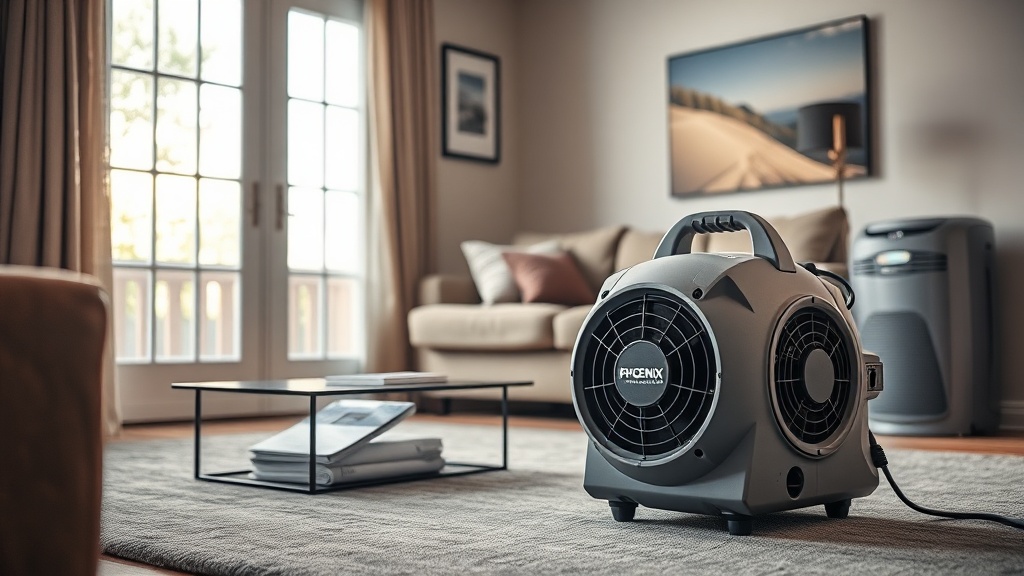
The Phoenix R200 Max Air Mover is a high-velocity drying tool that directly impacts the timeline and documentation of water damage restoration. For property owners navigating insurance claims, the speed of drying is a critical factor. Standard drying methods with household fans can take upwards of five to seven days for saturated drywall or hardwood floors. The R200 Max, with its 1/3 HP motor generating up to 1,200 CFM (cubic feet per minute) of airflow, can reduce that drying window to 48–72 hours in many cases. This faster response directly translates to less secondary damage, such as mold growth or structural swelling, which are common points of contention in claim disputes. By providing insurance adjusters with a professional-grade drying record—documented moisture readings and shorter drying times—homeowners can present a stronger case for full coverage of the restoration costs.
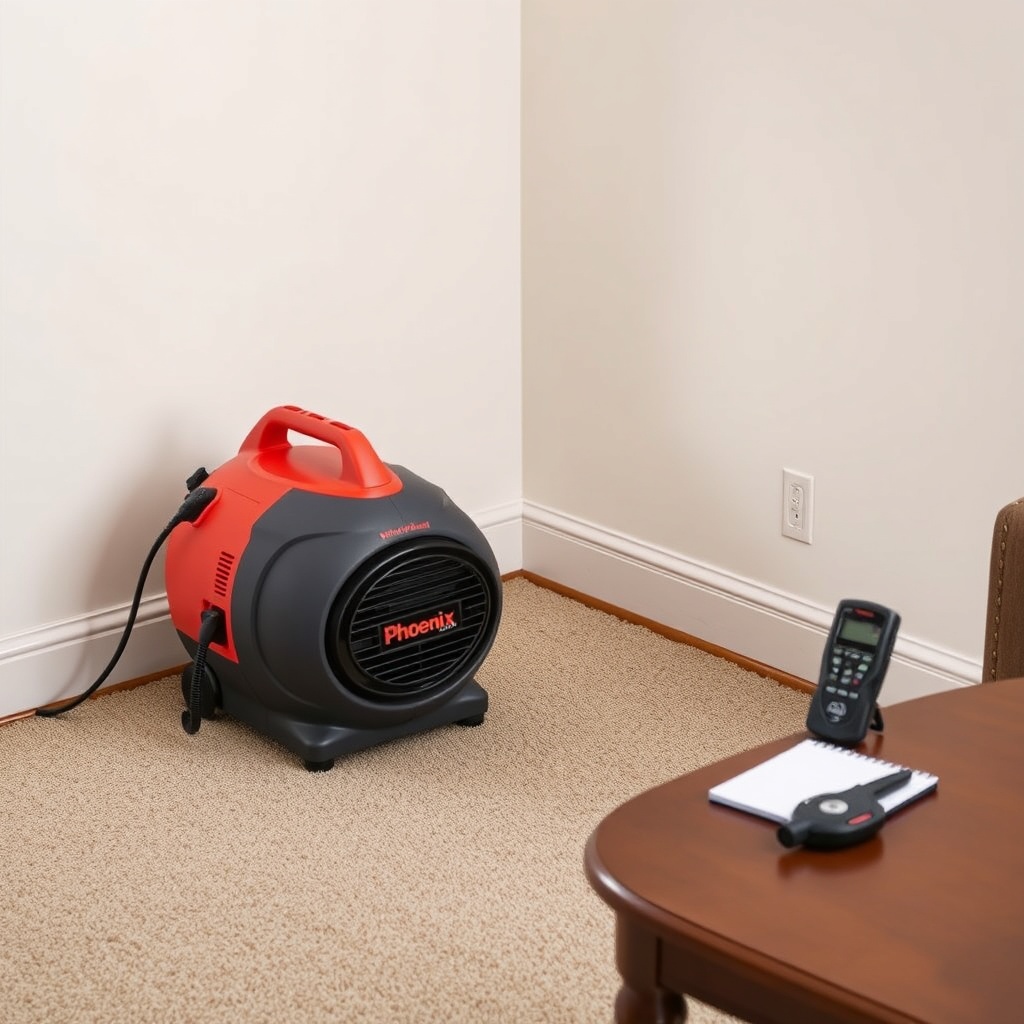
Key Performance Data for Claims
- Airflow velocity: 1,200 CFM at high speed, 850 CFM at low speed.
- Power consumption: Approximately 4.5 amps at 115V, making it suitable for standard household circuits.
- Drying area coverage: Optimized for rooms up to 500 sq.ft. with moderate water damage.
When filing a claim, adjusters look for evidence that mitigation was performed using equipment that meets industry standards (IICRC S500). The R200 Max’s specifications align with these requirements, helping policyholders avoid underpayment for drying services. For a deeper dive into mold prevention strategies that strengthen claims, see Using the Phoenix R200 Max Air Mover to Prevent Mold After Leaks.
Is the Phoenix R200 Max Air Mover Worth the Investment for Homeowners?
At a retail price of roughly $350 to $450 USD (depending on the vendor), the Phoenix R200 Max is a significant upfront cost for a single-purpose appliance. However, for homeowners with a history of water damage, or those in flood-prone areas like basements or coastal regions, this tool can pay for itself in reduced claim deductibles and avoided denial of coverage. Professional restoration companies often charge $200–$400 per day for using their air movers, plus setup fees. Owning an R200 Max allows a homeowner to perform initial drying immediately after an event, minimizing the daily costs that insurers might dispute. Furthermore, insurance policies frequently require policyholders to “mitigate further damage” to maintain coverage. Using an R200 Max satisfies this obligation without waiting for a restoration crew, potentially preventing a claim denial.
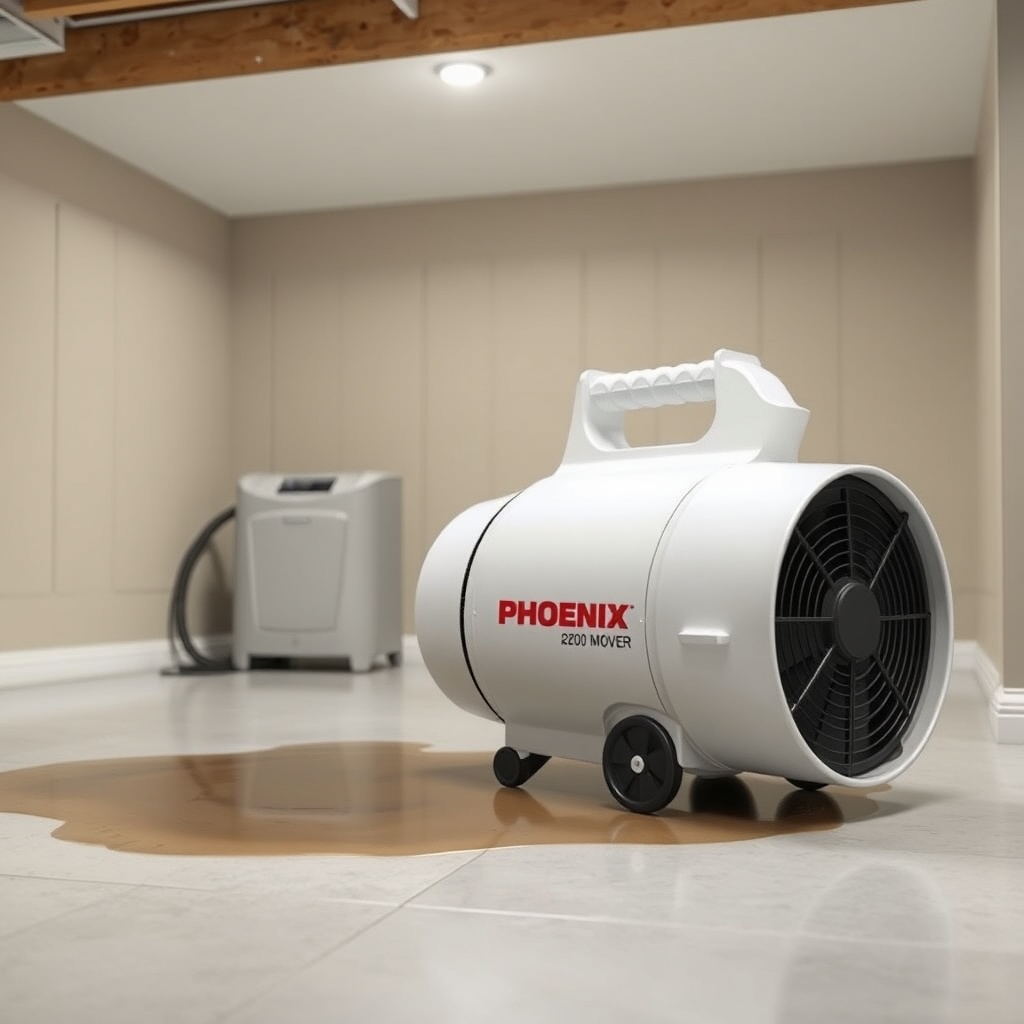
Cost-Benefit Comparison
| Scenario | Without R200 Max (Using Household Fans) | With Phoenix R200 Max |
|---|---|---|
| Drying time (carpet & pad) | 5–7 days | 2–3 days |
| Potential mold risk | High (if not dried within 48 hours) | Low (within critical window) |
| Claim adjuster reaction | Often questions “delay” in drying | Professional-grade mitigation acknowledged |
| Out-of-pocket costs (rent vs. own) | $150–$300 rental from service | $350–$450 one-time purchase |
For those dealing with storm or flood claims, the R200 Max also addresses the “standing water” issue that insurers flag. Learn more in Phoenix R200 Max Air Mover: Essential for Flood and Storm Recovery?.
What Documentation Should You Provide Alongside the Phoenix R200 Max Usage?
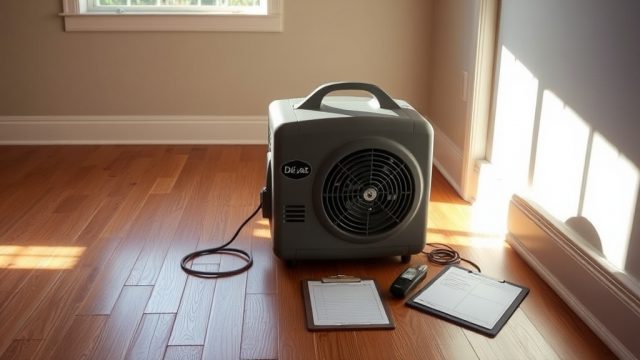
Insurance claims require robust documentation to prove that drying was done professionally and promptly. When using the Phoenix R200 Max, homeowners should maintain a log that includes:
- Date and time of operation (start and stop).
- Moisture readings before and after drying (use a pin or pinless moisture meter).
- Photographs of the affected area with the air mover in place.
- Written notes on ambient humidity and temperature levels.
Adjusters are more likely to approve full reimbursement for drying costs—such as electricity used by the unit—when these records are provided. The R200 Max’s low amperage draw (4.5 amps) is also beneficial; it costs roughly $0.50–$0.80 per 24 hours of continuous operation at average US electricity rates. Presenting this cost data alongside the drying log strengthens the claim by showing proactive, cost-effective mitigation.
How Does the Phoenix R200 Max Compare to Competitors for Claim Approval?
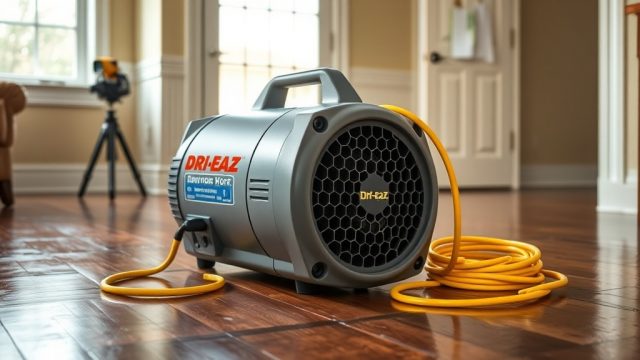
Competing air movers like the Dri-Eaz Revolution or the B-Air Grizzly often fall in similar price ranges but differ in weight, noise levels, and airflow coverage. For claim purposes, adjusters look for equipment that is IICRC compliant, durable, and capable of uniform drying. The Phoenix R200 Max stands out with a rugged, stackable design and a 25-foot power cord, which reduces trip hazards during restoration—a safety point adjusters appreciate. Its low-profile shape also allows placement close to walls, improving drying efficiency in corners where mold often starts. If a claim involves storm damage, read Phoenix R200 Max Air Mover: Essential for Drying After Storm Damage? for specific strategies.
What Owners Say
Many homeowners who have used the Phoenix R200 Max after a water loss report that the tool simplified the claims process. One user in Florida noted, “The adjuster was impressed that I had a professional-grade air mover running within two hours of a pipe burst. They approved the full dry-out cost and didn’t haggle.” Another owner in the Midwest shared, “We used this after a basement flood. The drying was so fast that there was no mold issue, and our claim for new flooring was approved because we could prove the subfloor was dry in 36 hours.” Common praise focuses on the unit’s reliability and how it “eliminates the ‘wait and see’ that leads to claim denials.” A few mention the noise level (similar to a vacuum cleaner) as a minor drawback, but most agree it is worth the investment for claim security.
Frequently Asked Questions
Can I use the Phoenix R200 Max to document drying progress for insurance?
Yes. Keep a written log with moisture readings (taken daily) and photos showing the unit in action. This provides evidence of mitigation efforts to your adjuster.
Will my insurance company reimburse me for buying the Phoenix R200 Max?
Typically, standard homeowners policies do not reimburse for equipment purchases, but they may cover the cost of electricity used or the rental value (if you rent one instead). Check your policy’s “mitigation” clause.
How loud is the Phoenix R200 Max when running?
The unit operates at about 70–75 dB at low speed, comparable to a household vacuum cleaner. For overnight use in occupied areas, consider placing it in a hallway or unused room.
Can the Phoenix R200 Max handle sewage or Category 3 water damage?
Yes, but for Category 3 water (black water), you must wear proper PPE and disinfect the unit after use. Always follow IICRC guidelines for hazardous water restoration.
How do I maintain the Phoenix R200 Max for long-term use?
Clean the filter monthly (washable foam), check the cord for damage, and store the unit in a dry place. Regular maintenance ensures consistent CFM output for future claims.
Is the Phoenix R200 Max stackable for storage after a claim?
Yes, the design allows stacking multiple units vertically, saving space in garages or basements. This is practical for homeowners who want to keep the ready for future events.